Dash cams are legal in Nevada but must comply with strict rules on mounting and recording to avoid fines or inadmissible evidence. Understanding these regulations helps drivers protect themselves legally and in accidents.
Core Legality
Dash cams provide objective evidence for insurance claims and court cases in Nevada, where they are fully permitted without ownership restrictions.
Key statutes like NRS 484D.435 prohibit any nontransparent material on the windshield that blocks the driver’s clear view, applying directly to dash cams. No statewide registration or approval is needed, but improper setup can lead to citations for obstructed vision.
Mounting Rules
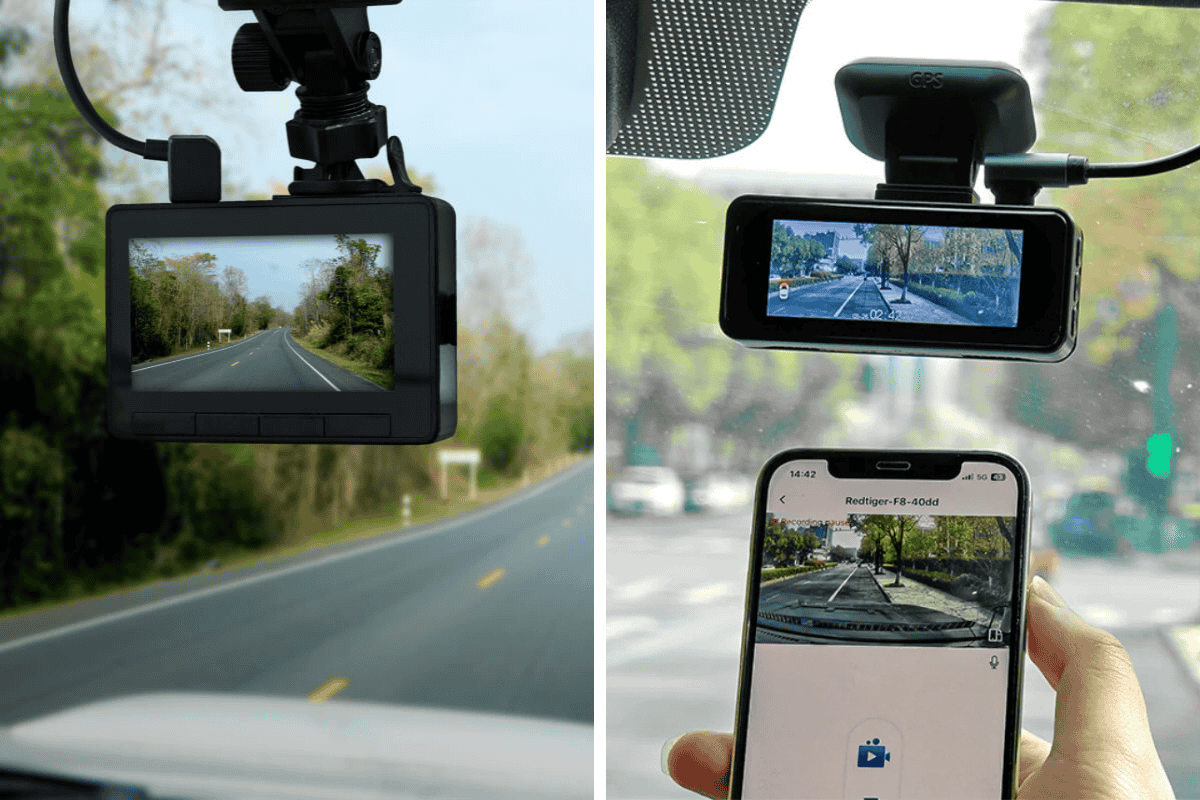
Devices must fit within a six-inch square in the lower passenger-side corner of the windshield or sit on the dashboard without impeding sightlines. This exception under NRS 484D.435 allows small cameras farthest from the driver, but anything larger or centered risks a ticket. Professional installation is recommended for compliance, especially to avoid airbag interference or tint violations under NRS 484D.440.
Audio Recording Laws
Nevada requires one-party consent for in-person audio under NRS 200.650, meaning the driver (as a participant) can record without notifying passengers. However, wire communications like phone calls demand all-party consent per NRS 200.620, so disable audio if unsure. Best practice: Inform passengers via signs to ensure footage admissibility and avoid privacy disputes.
Evidence in Court
Video from public roads is generally admissible if unaltered, timestamped, and relevant to external events like crashes. Courts authenticate footage through chain of custody; internal passenger incidents may be excluded without consent notifications. In Nevada’s modified comparative negligence system (NRS 41.141), dash cam proof can shift fault below 50% for full compensation.
Commercial and Fleet Use
Fleets face the same mounting rules but must post notices for audio in one-party consent Nevada. Driver-facing cams are allowed if non-obstructive, aiding safety without extra state bans as of 2026. AI dash cams for fatigue detection comply if privacy policies are clear in employee agreements.
Penalties for Violations
Obstruction citations start at $100–$500 fines, escalating with repeats; unsafe equipment can suspend driving privileges. Illegal audio could void evidence or lead to misdemeanor charges under eavesdropping laws. Always check local ordinances in Las Vegas or Reno for added rules.
Best Practices
Mount low on the passenger side, test visibility, and label “Dash cam recording video/audio” visibly. Disable audio for passengers if concerned, back up footage immediately post-incident, and share only with insurers or attorneys. Regular checks ensure loop recording doesn’t overwrite key clips.
Recent Updates
No major 2025–2026 changes; rules stable since NRS revisions. Monitor DMV for autonomous vehicle exceptions, as fully self-driving cars may bypass some equipment mandates.
SOURCES:
- https://harrislawyers.com/dash-cam-auto-accident-case/
- https://courtroomproven.com/blog/is-it-legal-to-drive-with-a-dashcam-in-nevada/