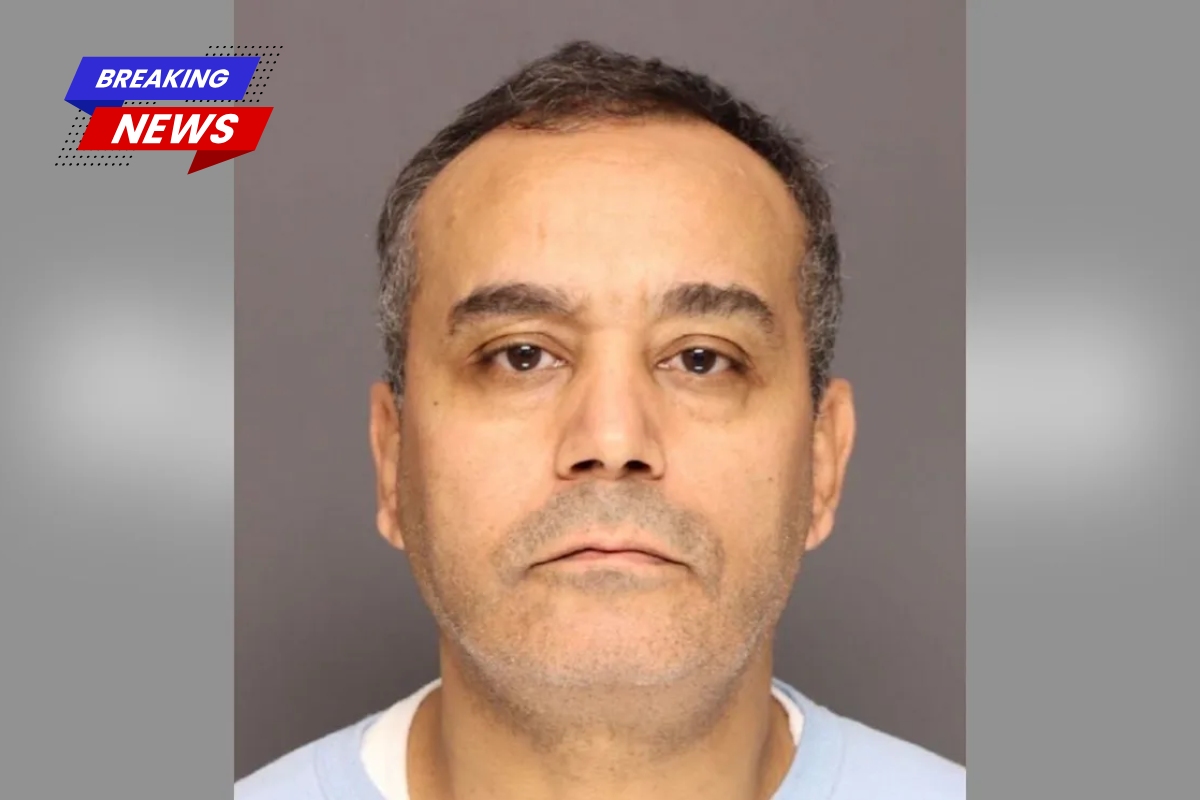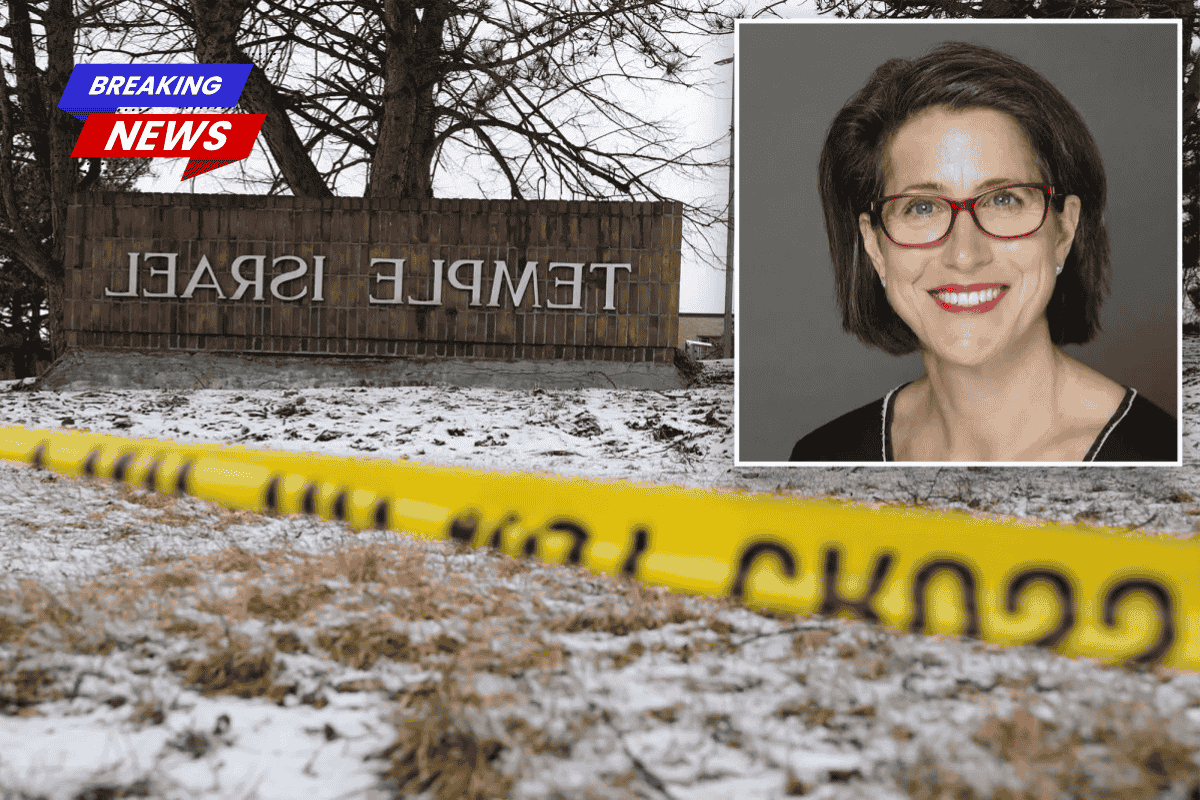
Last month, a horrifying attack took place at Temple Israel in West Bloomfield Township, Michigan, when Ayman Ghazali, 41, drove his truck into a Jewish preschool at the synagogue. Ghazali, who had ties to the Hezbollah terrorist group, was later confirmed to have been inspired by Iran-backed terrorists. After a standoff with a security guard, Ghazali took his own life.
However, NPR’s coverage of the incident has raised eyebrows, as the broadcaster focused on the terrorist’s hometown in Lebanon, 6,000 miles away, rather than speaking with victims of the attack or community members directly affected by the violence.
Criticism of NPR’s Coverage
In its March 14 segment of All Things Considered, NPR sent a reporter to Ghazali’s Lebanese town to report on the supposed “grief and fear” felt by the local community after the attack. However, this coverage quickly faced backlash from listeners, who felt it downplayed the terrorist’s actions and painted the terrorist’s family in a sympathetic light.
One listener, Batya Ungar-Sargon, sarcastically pointed out in a Substack post that NPR had managed to find the “real victim” of the attack, which, according to her, was not the 140 Jewish American children affected but the town in Lebanon where Ghazali and his family had come from. Furthermore, Israel Defense Forces had revealed that Ghazali’s brother was a Hezbollah commander, which only added to the criticism over NPR’s failure to mention the terrorist connection.
Public Editor Response
The backlash led to NPR’s public editor, Kelly McBride, addressing the controversy. She explained that NPR’s intention was to explore the connection between the attack on the Michigan synagogue and the family of the attacker. However, McBride admitted that NPR’s coverage missed critical perspectives, especially from the victims at Temple Israel.
She acknowledged that in their reporting, NPR failed to include voices from Temple Israel, including rabbis, congregation members, and the families of children who were present during the attack.
McBride further stated that Michigan Public Radio and local news outlets had covered the incident from the perspective of the victims more extensively, but NPR had shifted its focus too soon.
The Missing Voices
McBride also mentioned that the absence of voices from the Temple Israel community distorted the overall perception of the event and its aftermath. “When important voices are missing from coverage, it distorts the audience’s perception of everything else,” McBride noted.
The Fallout
Critics, like Richard Wilkins, criticized NPR for downplaying the terrorist connections to the Hezbollah group in their coverage, particularly because it was well known by the time of reporting that Ghazali’s brothers had deep ties to the terrorist organization. Some listeners felt that the lack of this context was a serious flaw in NPR’s reporting.