
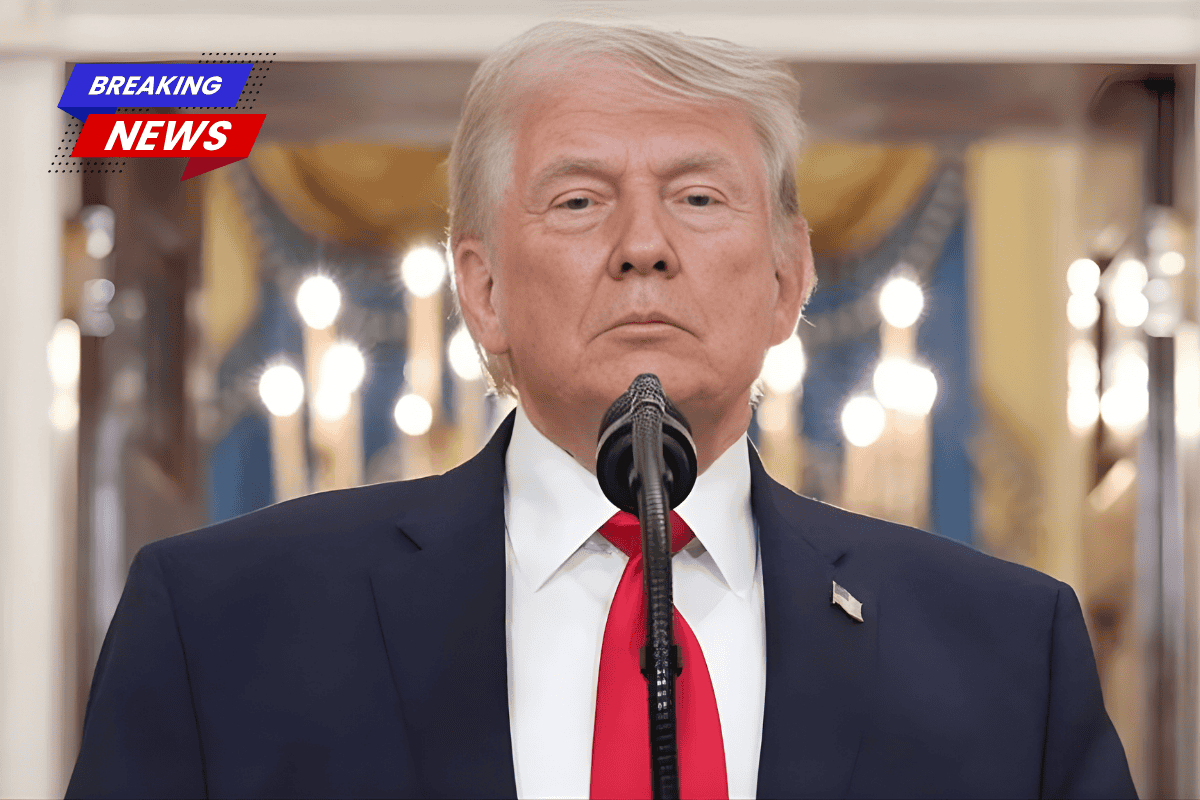
As the US-Israel and Iran war enters its sixth week, tensions between the U.S. and Iran have reached new heights following President Donald Trump’s recent threats on social media.
In response to Trump’s fiery outburst on Truth Social, where he warned Iran of severe consequences if the Strait of Hormuz was not reopened, the Iranian military issued a sharp warning, vowing that any attacks on civilian infrastructure would provoke devastating retaliation.
Trump’s Threats: “Living in Hell” and Power Plant Day
On Sunday, Trump took to Truth Social, threatening Iran with harsh consequences if they did not agree to reopen the critical Strait of Hormuz, a vital waterway for global oil shipments. In a post that garnered significant attention, Trump specifically named potential targets, saying, “Tuesday will be Power Plant Day and Bridge Day, all wrapped up in one in Iran. There will be nothing like it!!!”
Trump’s aggressive rhetoric did not stop there. He further warned Iran, stating, “Open the Fckin’ Strait, you crazy bst*rds, or you’ll be living in Hell – JUST WATCH!” Trump concluded his post with the phrase, “Praise be to Allah,” further stoking tensions.
Iran’s Military Retaliation Warning
In response to Trump’s fiery threats, Iran’s military issued a stark warning of their own. A statement from the Iranian military emphasized that any attacks on civilian infrastructure would be met with severe and far-reaching retaliation. The statement read, “If attacks on civilian targets are repeated, the next stages of our offensive and retaliatory operations will be much more devastating and widespread.”
This warning from Iran’s military further escalates an already volatile situation, highlighting the potential for a significant military conflict should the threats between the two nations continue.
Iranian Parliament Speaker’s Condemnation
The war of words continued with Mohammad Bagher Qalibaf, the Speaker of Iran’s Parliament, who also responded to Trump’s threats on X (formerly Twitter). Qalibaf condemned Trump’s rhetoric, accusing him of pushing the U.S. into “living hell” for every American citizen. He wrote, “Our whole region is going to burn because you insist on following Netanyahu’s commands. Make no mistake: You won’t gain anything through war crimes.”
Qalibaf’s response signals not just the Iranian government’s defiance but also a warning that further escalation could result in widespread destruction in the region, affecting not only Iran but also the U.S. and its allies.
Qalibaf Calls for Peace and Diplomacy
In a follow-up tweet, Qalibaf urged President Trump to change course, suggesting that the only way to end the ongoing conflict would be for the U.S. president to respect the Iranian people and stop what he described as a “dangerous game.” His message highlights the Iranian government’s desire for diplomacy and resolution, even as tensions continue to rise.
The Path Ahead: Diplomacy or Escalation?
The exchange of threats and harsh rhetoric between the U.S. and Iran reflects the increasingly fragile nature of relations between the two nations. With the conflict continuing to affect the broader Middle East, the potential for further escalation looms large.
While both sides appear to be bracing for more military action, diplomatic solutions seem distant, and the consequences of continued escalation could have devastating effects on both the region and global stability. The question remains whether President Trump will heed Iran’s call for respect and peace, or whether the conflict will spiral further into chaos.






