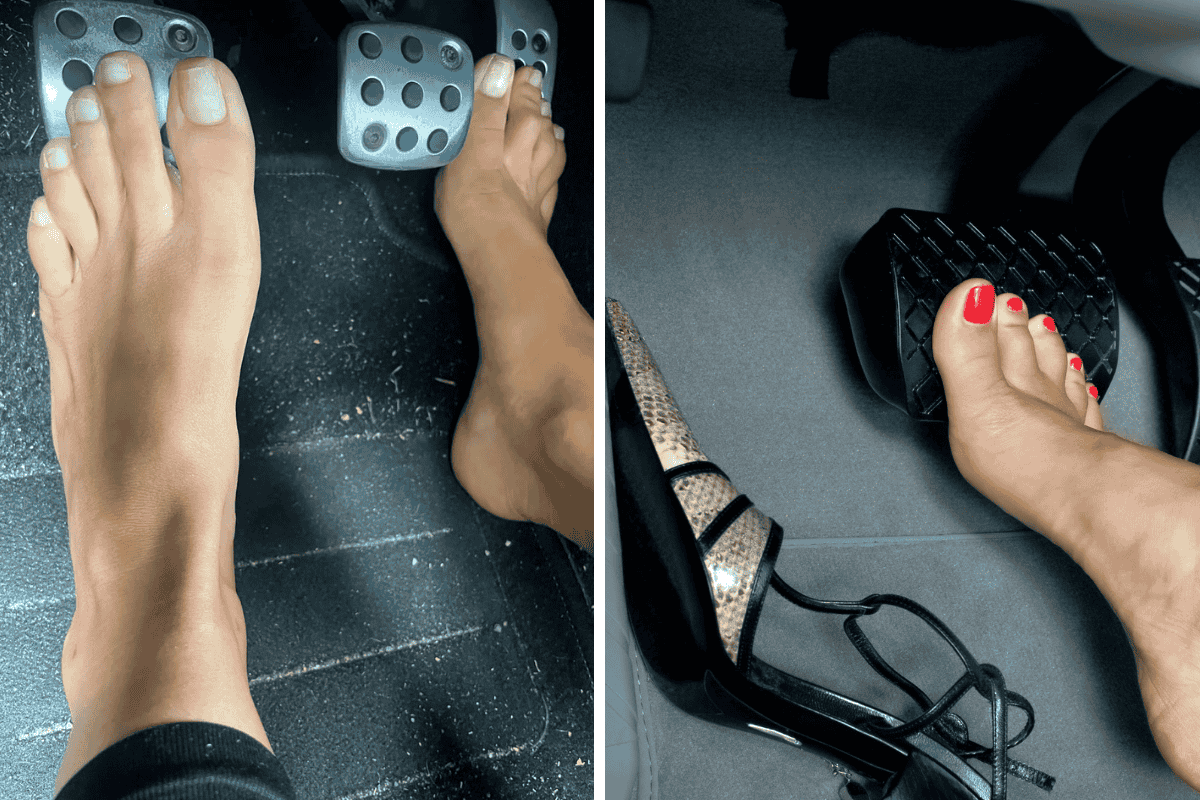
No, it is not illegal to drive barefoot in Colorado, as no state statute or regulation explicitly prohibits it. While legal, barefoot driving raises safety concerns and potential liability issues if it contributes to an accident.
Legal Status
Colorado’s traffic laws, including the Colorado Revised Statutes (CRS) Title 42 and the Model Traffic Code, do not require drivers to wear shoes or any specific footwear while operating a vehicle.
Officers cannot pull you over or ticket you solely for being barefoot, as confirmed by multiple legal sources and the Colorado Highway Patrol’s stance that no such law exists. This aligns with practices in most U.S. states, where barefoot driving is permitted absent reckless behavior.
Safety Risks
Bare feet can slip on pedals, especially if sweaty or wet, reducing control during braking or acceleration. Without shoes, feet face higher injury risk from debris, hot/cold pedals, or crash impacts, and evacuation from the vehicle may be harder over hazards like glass. The National Highway Traffic Safety Administration emphasizes that anything impairing pedal operation heightens accident risk.
Potential Citations
If barefoot driving leads to unsafe operation—like delayed braking causing a near-miss—it could result in a reckless driving charge under CRS § 42-4-1401, a Class 2 misdemeanor with up to 90 days in jail, $300 fine, and 8 DMV points. Police must observe a traffic violation first; they can’t ticket based on footwear alone.
Insurance Impacts
Insurers may view barefoot driving as negligence if it contributed to a crash, affecting fault in claims. Colorado’s modified comparative negligence rule bars recovery if you’re 50% or more at fault; barefoot pedal slip could increase your percentage, reducing or eliminating compensation.
Common Myths
- Myth: It’s illegal nationwide. Fact: No U.S. state bans it outright.
- Myth: Auto-ticket for barefoot. Fact: Requires unsafe driving proof.
- Myth: No insurance coverage. Fact: Coverage holds unless policy exclusions apply.
Recommendations
Wear closed-toe, low-heel shoes for grip and protection—avoid flip-flops or heels that snag pedals. Prioritize safety to sidestep liability; Colorado experts like attorneys and CHP advise footwear for control.
Related Laws
Colorado’s distracted driving ban (effective 2025) targets phones but not footwear; penalties start at $75–$300 fines. Always check local ordinances, as cities adopt the Model Traffic Code variably.
What If in an Accident?
Document everything; consult a car accident attorney immediately, as barefoot status might appear in police reports influencing claims. Firms like those cited help navigate fault disputes under CRS rules.
SOURCES:
- https://personalinjuryco.com/can-you-drive-barefoot-in-colorado/
- https://www.mydenveraccidentlawfirm.com/news-resources/is-it-legal-to-drive-without-shoes/