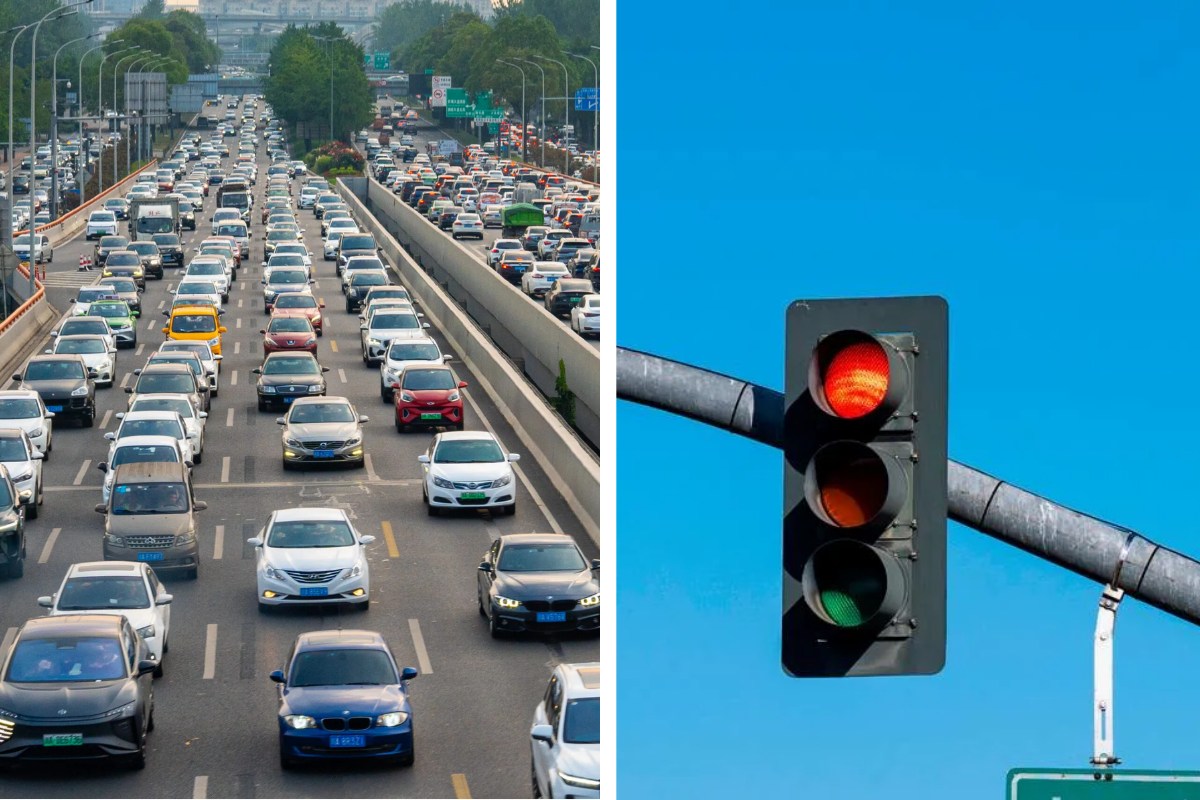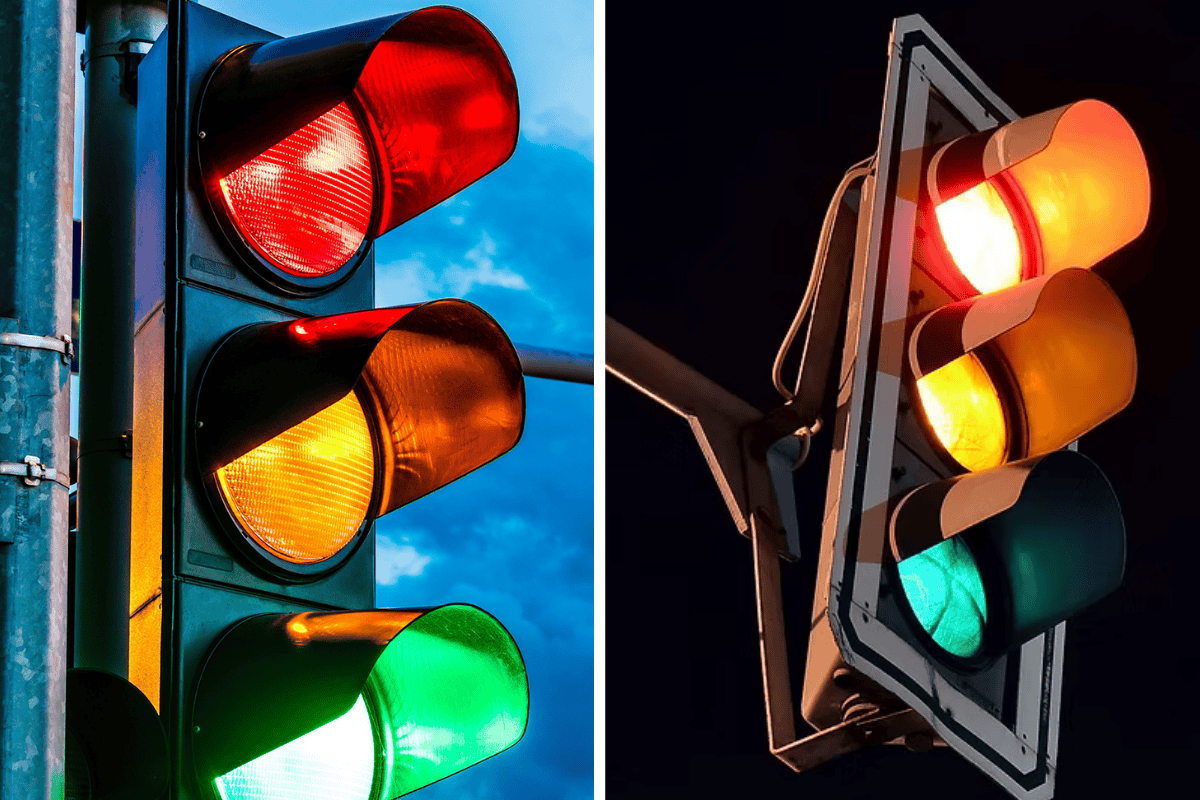
South Carolina permits right turns on red after a complete stop, with no major 2026 updates altering this longstanding rule. Drivers must yield to pedestrians and oncoming traffic unless a “No Turn on Red” sign or red arrow prohibits it. This practice, codified in S.C. Code Ann. § 56-5-970, balances traffic flow and safety nationwide.
Core Rule Explained
Under § 56-5-970(C)(3), vehicles facing a steady red light may turn right after stopping at the line, crosswalk, or intersection entry. Yield to any pedestrians in adjacent crosswalks and vehicles lawfully in the intersection. Left turns on red are allowed only from a one-way street onto another one-way street, following the same stop-and-yield protocol.
2026 Status and Updates
No statewide changes to right-on-red rules took effect in 2026; the practice remains legal absent signage. Bill 812 (2025-2026 session) proposed bicycle-specific tweaks, like right turns without full stops after slowing, but it did not amend motor vehicle rules and stalled without passage. Local trends show more “No Turn on Red” signs in pedestrian-heavy areas like Columbia, driven by safety campaigns.
When Prohibited
- Signage: Obey “No Right Turn on Red” or similar posted restrictions, common near schools, hospitals, or blind corners.
- Red arrows: A solid red arrow bans turns until it changes.
- High-risk zones: School zones, construction areas, or rail crossings often feature bans during active hours.
- Emergency vehicles: Always yield to sirens or lights overriding signals.
Enforcement and Penalties
Violations like rolling stops or failing to yield are misdemeanors, typically fined $25–$100 plus court costs, with 2–4 points on your license. In accidents, improper right-on-red turns establish negligence per se, heightening liability for damages. South Carolina’s comparative fault system reduces your recovery if you’re partially at blame.
Safety Best Practices
- Full stop: Brake completely; creeping risks tickets and crashes.
- Double-check: Scan left, right, and ahead—pedestrians and cyclists hide in blind spots.
- Edge forward slightly: If safe, inch to improve visibility without entering the intersection.
- Night/rain caution: Wet pedals or glare amplify risks.
Studies link right-on-red to higher pedestrian strikes, prompting bans in cities like Asheville, NC.
Comparison Across Southeast States
Accident Liability Scenarios
Failure to yield during right-on-red often pins fault on the turner, covering medical bills, repairs, and lost wages for victims. Dashcam footage or witness statements prove violations; consult attorneys post-crash, as insurers scrutinize signals. South Carolina’s 2025 hands-free law indirectly aids by curbing distractions during turns.
Bicycles and Pedestrians
Cyclists follow vehicle rules but may turn right on red after slowing (per proposed Bill 812). Pedestrians always have priority in crosswalks—jaywalking doesn’t negate your duty. Electric scooters/bikes must stop fully.
Historical Context
Right-on-red became standard post-1974 federal energy crisis to cut idling fuel use, adopted by all 50 states except where banned locally. South Carolina codified it without alteration since, despite national debates over pedestrian safety.
Driver Tips for Compliance
- Scan for signs 100 feet before intersections.
- Stop behind all lines/markings.
- Yield fully before accelerating.
- Use signals early.
Mastering these ensures smoother drives; violations spike insurance rates 20–30%. For official text, review § 56-5-970 at scstatehouse.gov.
SOURCES:
- https://www.scinjuryattorney.com/blog/right-on-red-sc/
- https://allowedhere.com/legality/right-turn-on-red/south-carolina/