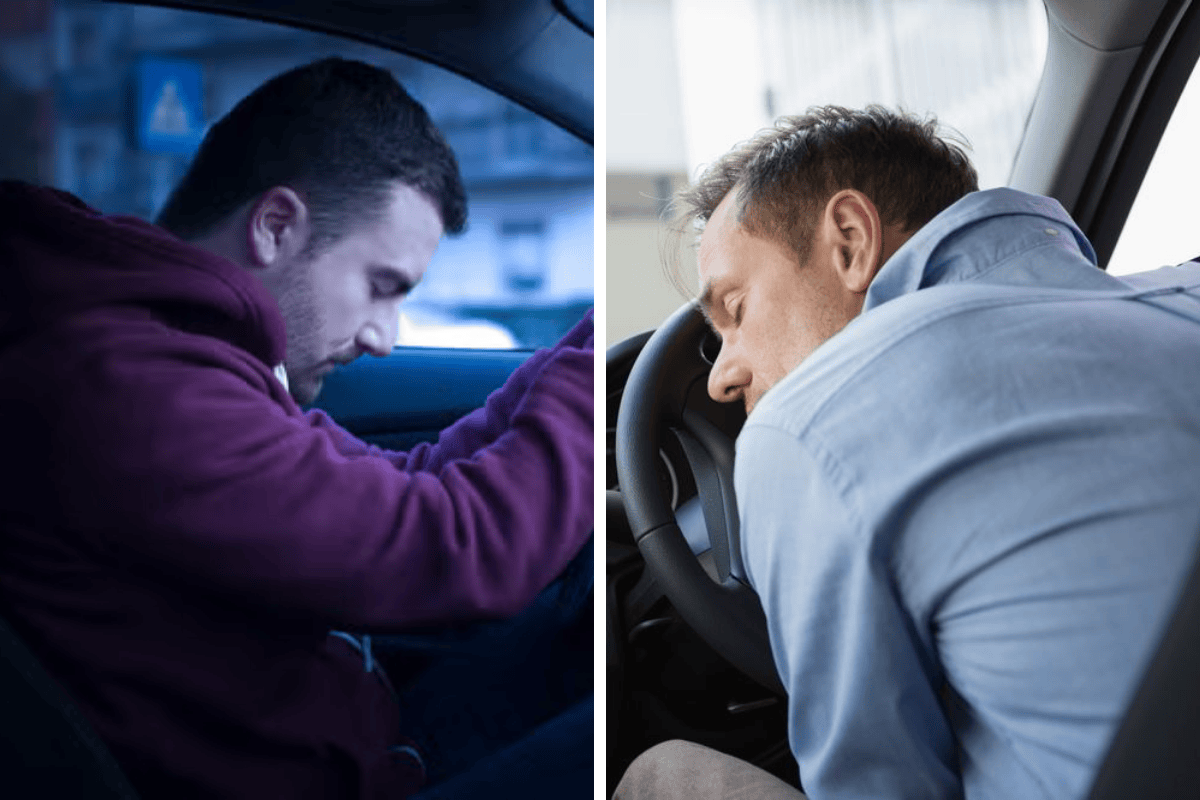
Sleeping in your car is generally legal in Oregon if you follow local rules, but it’s banned on public streets in many cities and restricted at rest areas to 12 hours max. State law lacks a blanket prohibition, deferring to ordinances amid homelessness concerns, with no major 2026 changes.
Statewide Guidelines
Oregon has no statute outlawing vehicle sleeping outright; ODOT permits up to 12 hours at 39 rest areas within 24 hours, enforced by State Police—no tents, fires, or bathing in restrooms. Violations risk year-long bans. Highways prohibit overnight stays outside rest areas per OAR 734-020-0095, citing safety.
Private property needs owner permission; Walmarts/Home Depots often allow short rests—ask managers.
Urban Restrictions
Portland prohibits street sleeping under Portland City Code 14A.50.030-070, targeting “camping” (erecting shelter, including vehicles blocking sidewalks). Enforcement paused post-Martin v. Boise (shelter-first) and COVID, but 2026 sweeps resume with alternatives. Tiny homes/RVs on wheels allowed on residential lots (one per house) if wheels stay on, per 33.266.150.
Eugene permits overnight vehicle sleeping in designated lots (religious sites, businesses) up to six vehicles with owner OK; vacant parcels need city registration.
Medford allows up to three vehicles on private lots via 5.557. Corvallis greenlights select parks 10pm-6am.
Rural and Coastal Nuances
Rural spots like forest service lands tolerate short stays; Oregon Coast rest areas follow 12-hour rule. No-parking signs trump state tolerance—highways/shoulders off-limits overnight. State parks ban vehicle camping outside sites; BLM land allows dispersed if not “camping” (no setups).
ORS 197.493 protects RV occupancy as dwellings if compliant, but wheels must remain for mobility.
Homelessness Protections
ORS 195.520 lets entities host vehicle camping for homeless; Portland’s 2026 pilot adds 200 safe parking spots with services. Martin v. Boise halts sweeps sans shelter; Eighth Amendment claims succeed if cruel/punishing. Fines range $100-500, but courts favor alternatives.
Safe Practices
Park discreetly (tinted windows, no chairs outside), move every 12 hours, use apps like iOverlander. Hazards: Cold (temps drop 20°F nights), exhaust (crack windows), theft. Alternatives: Cracker Barrel lots, truck stops (Flying J), apps for permission.
| Location | Allowed? | Time Limit | Key Rules |
|---|---|---|---|
| Rest Areas | Yes | 12 hrs/24 | No tents, enforced by OSP |
| Public Streets | Often No | N/A | City bans common |
| Private Lots | With OK | Varies | Ask manager |
| State Parks | Sites Only | Paid | No dispersed vehicle camp |
| Rural Roads | Gray | Short | No shoulders overnight |
Enforcement Realities
Cops prioritize safety checks over tickets; “looking homeless” risks stops, but tourists get leeway. 2026 tightening at urban sites combats RVs-as-homes amid 15% homelessness rise. Dashcams document interactions.
Legal Risks and Defenses
Camping ordinances define “sleeping in vehicle” as erecting shelter; solo naps often ignored. Challenges invoke due process if no alternatives. Attorneys via Oregon Law Center aid homeless cases.
Alternatives and Resources
Safe Park PDX (Portland), church lots statewide. Apps: AllStays, OvernightRVParking. Long-term: SNAP housing aid, 211.org shelters. Van life booms—insure as motorhome.
SOURCES:
- https://www.yahoo.com/news/articles/legal-sleep-car-rest-stop-120303933.html
- https://www.idyllicpursuit.com/12-states-where-you-can-sleep-in-your-car-at-rest-stops-2026-rules/