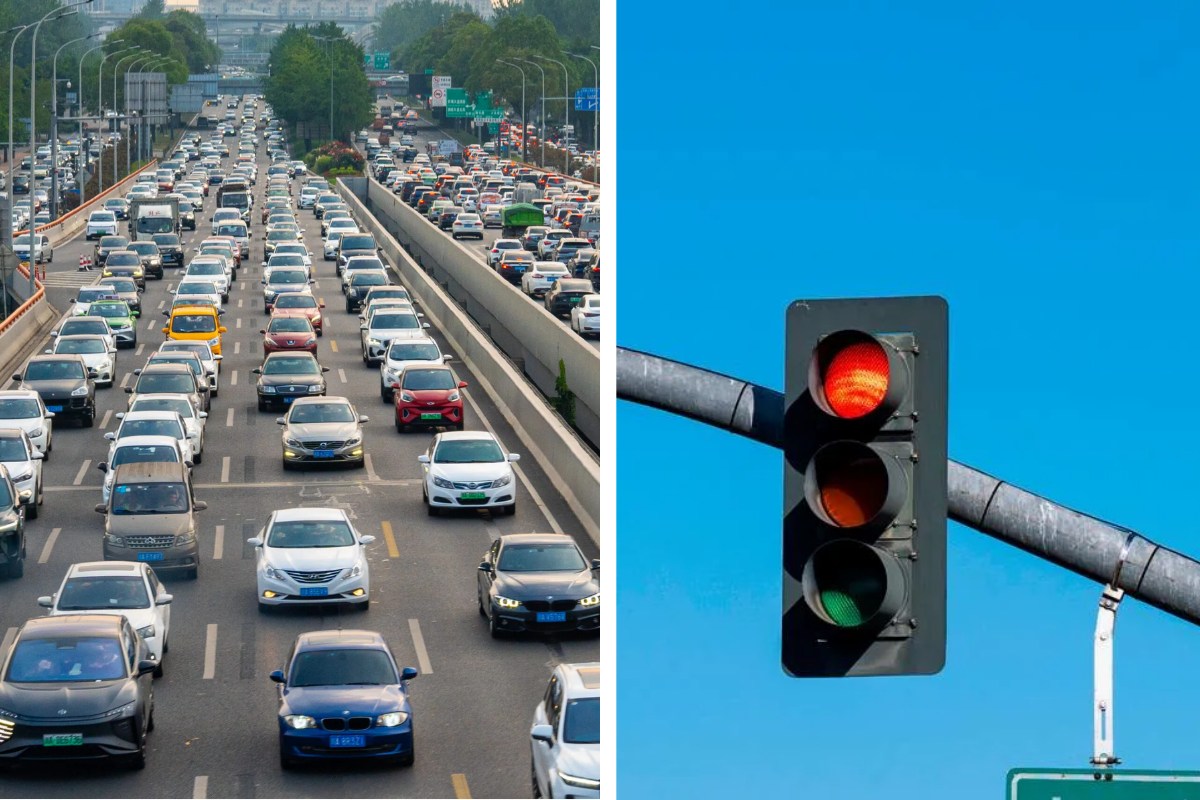
Colorado’s right turn on red rule remains a key part of traffic law in 2026, governed by C.R.S. § 42-4-604 with no statewide changes reported this year. This maneuver promotes fuel efficiency and traffic flow but requires strict adherence to safety protocols. Local variations and safety debates add nuance for drivers.
Legal Foundation
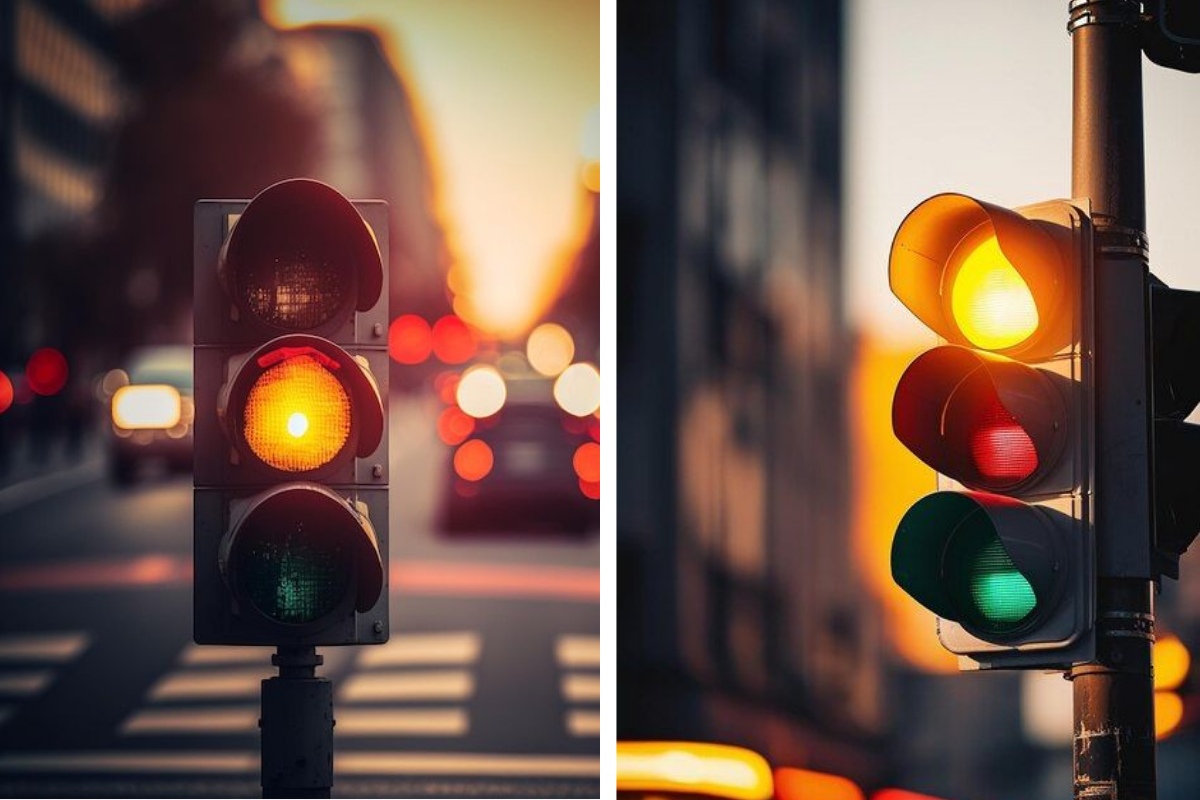
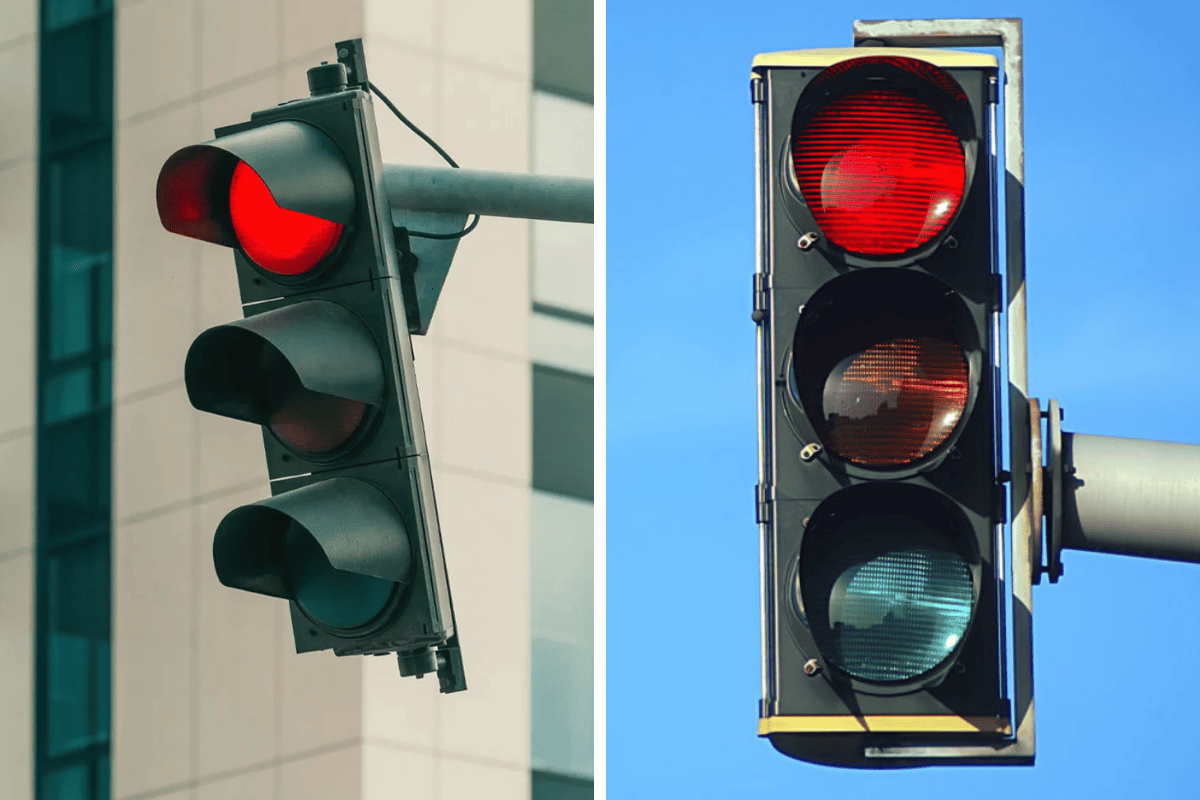
Colorado Revised Statutes § 42-4-604(c)(I)(A) explicitly permits a right turn after a full stop at a steady circular red light, provided the driver yields to pedestrians in adjacent crosswalks and all oncoming traffic lawfully in the intersection.
A “No Right Turn on Red” sign overrides this permission, as local authorities can prohibit it via ordinance and signage. Violations constitute a class A traffic infraction, typically fined around $100 plus court costs, though penalties vary by jurisdiction.
Procedure Breakdown
Drivers must first stop at the marked stop line, crosswalk, or intersection entry point. After stopping, scan right for pedestrians and cyclists, then left for gaps in cross traffic—turning only when safe. It’s optional; waiting for green is legal and often safer in busy areas.
Right-of-Way Rules
Yielding is mandatory to any pedestrian or vehicle with legal priority, including those in crosswalks or proceeding straight/green. Cyclists count as vehicles, so treat them accordingly; a 1980s study linked right-on-red to 40-107% higher pedestrian/bike crashes due to drivers focusing left. In school zones or high-pedestrian areas, extra caution applies, with some cities like Boulder using timed red arrows.
Unique Colorado Features
Left turns on red are allowed from one-way streets onto another one-way (traffic flowing left), after stopping and yielding—unique compared to most states. Red arrows prohibit the indicated turn entirely, unlike plain red circles. No 2026 statewide ban or alteration exists, despite past Denver proposals and 2025 safety pushes elsewhere.
2026 Context
As of April 2026, the rule stands unchanged amid new laws on speeding (e.g., AVIS fines on highways) and driver education (HB 24-1021 requiring 30-hour courses for under-18s from 2027). Safety campaigns emphasize right-on-red risks, but no blanket restrictions passed. CDOT’s 2024 Model Traffic Code reinforces the statute without 2026 amendments.
Safety Best Practices
Always double-check blind spots, especially for bikes from the right; use mirrors and shoulder checks. In winter, ice demands wider gaps; avoid if visibility is poor. Stats show right-on-red crashes often involve failure to yield, so err conservative—many experts advise skipping it near schools or nightlife. Apps like Waze flag no-turn zones.
Common Violations
Failing to stop fully or yield tops tickets; running red arrows or ignoring signs draws stricter enforcement. Tailgating pressuring turns doesn’t excuse unsafe moves—impatience isn’t a defense. In 2025-2026, urban areas like Denver and Boulder expanded “no turn” signage at high-risk spots.
Comparisons to Other States
Unlike Colorado’s permissive stance, states like New York ban right-on-red statewide; California allows local bans like Colorado. Fuel savings (up to 10-20% at signals) drove 1970s adoption nationwide, but pedestrian safety revived bans in places like San Francisco. Colorado balances flow with opt-out flexibility.
Driver Tips Table
| Scenario | Action Allowed? | Key Yield To |
|---|
Enforcement Realities
Police use dash cams and witness statements; tickets spike in cities with Vision Zero programs targeting peds. Fines rose indirectly via 2025-2026 safety bills, but right-on-red specifics unchanged. Defensive driving courses can dismiss points for first offenses.
Future Outlook
Debates persist—Denver’s 2023 ban push stalled, but 2026 bills like HB26-1318 focus on school zones without altering core rule. With fatalities up, expect more local signs; stay updated via CDOT apps. Safe habits ensure compliance amid evolving enforcement.
SOURCES:
- https://www.durangoherald.com/articles/at-red-light-is-it-wrong-to-not-go-right/
- https://www.denver7.com/traffic/driving-you-crazy/driving-you-crazy-do-you-have-to-turn-right-on-red