Alabama faces a mounting bed bug crisis in 2026, with five major cities leading reports of infestations amid a nationwide surge tied to travel and urban density.
These resilient pests, thriving in warm Southern climates, spread via luggage, apartments, and public transit, costing residents thousands in extermination. Local authorities and pest firms are ramping up inspections, education, and heat treatments to combat the onslaught.
Birmingham’s Battle
As Alabama’s largest city and a consistent top-40 hotspot (No. 38 in Terminix 2025 data), Birmingham reports spikes in multi-family housing and hotels. The Birmingham-Jefferson County Health Department partners with Orkin for free inspections in low-income areas, using canine detection units that boast 95% accuracy.
City code now mandates landlords notify tenants within 48 hours of confirmed cases, with fines up to $500 for non-compliance; 2026 saw 30% more treatments after a winter tourism boom.
Mobile’s Coastal Challenge
Ranked No. 339 nationally but surging locally, Mobile battles port-related imports and cruise passenger traffic. The Mobile County Health Department launched a “Bug-Free Bay” campaign in March 2026, distributing diatomaceous earth kits and hosting quarterly fumigation drives at public housing. Pest control calls rose 25% year-over-year; pros recommend encasements on mattresses and steam-vapor treatments reaching 200°F to kill eggs.
Montgomery’s Urban Spread
At No. 355, Montgomery grapples with transit-linked outbreaks, including Route 6 buses drawing complaints. Alabama Public Health’s flyer guides coordinated efforts: residents bag infested items in black plastic for solar kill, while property managers deploy integrated pest management (IPM) avoiding broad pesticides due to resistance.
The city allocated $200K in 2026 for school audits, catching infestations early in dorms and classrooms.
Huntsville’s Tech Hub Woes
Rocket City clocks in at No. 216, fueled by military relocations and airport hubs. Huntsville’s Vector Control Division uses data analytics from 2025 Orkin reports to target high-risk zones like apartments near Redstone Arsenal.
A public app lets residents report sightings anonymously, triggering rapid response teams with cryonite freezing tech (-110°F) that spares non-targets. Education seminars emphasize inspecting secondhand furniture, a common vector.
Tuscaloosa’s College Town Crisis
No. 139 overall, Tuscaloosa suffers from student turnover in dorms and off-campus housing. The University of Alabama mandates bed bug protocols: incoming freshmen get interceptor traps under legs, and facilities uses CO2 traps mimicking breath to lure bugs.
Local ordinance requires professional certification for treatments; 2026 grants fund free canine sniffs for sorority row, slashing reports by 40% post-spring break.
Why Alabama? Underlying Factors
Warm humidity lets bed bugs multiply unchecked—females lay 5 eggs daily, hatching in 6-10 days. Travel from infested Chicago (No.1) via Atlanta hubs seeds outbreaks; multi-unit buildings amplify spread through walls. Resistance to pyrethroids forces shifts to heat (115°F+), desiccants, and bed bug growth regulators like Gentrol. Southern states dominate 2026 lists, with Alabama’s 7 cities signaling regional peril.
City Response Strategies Table
Detection Essentials
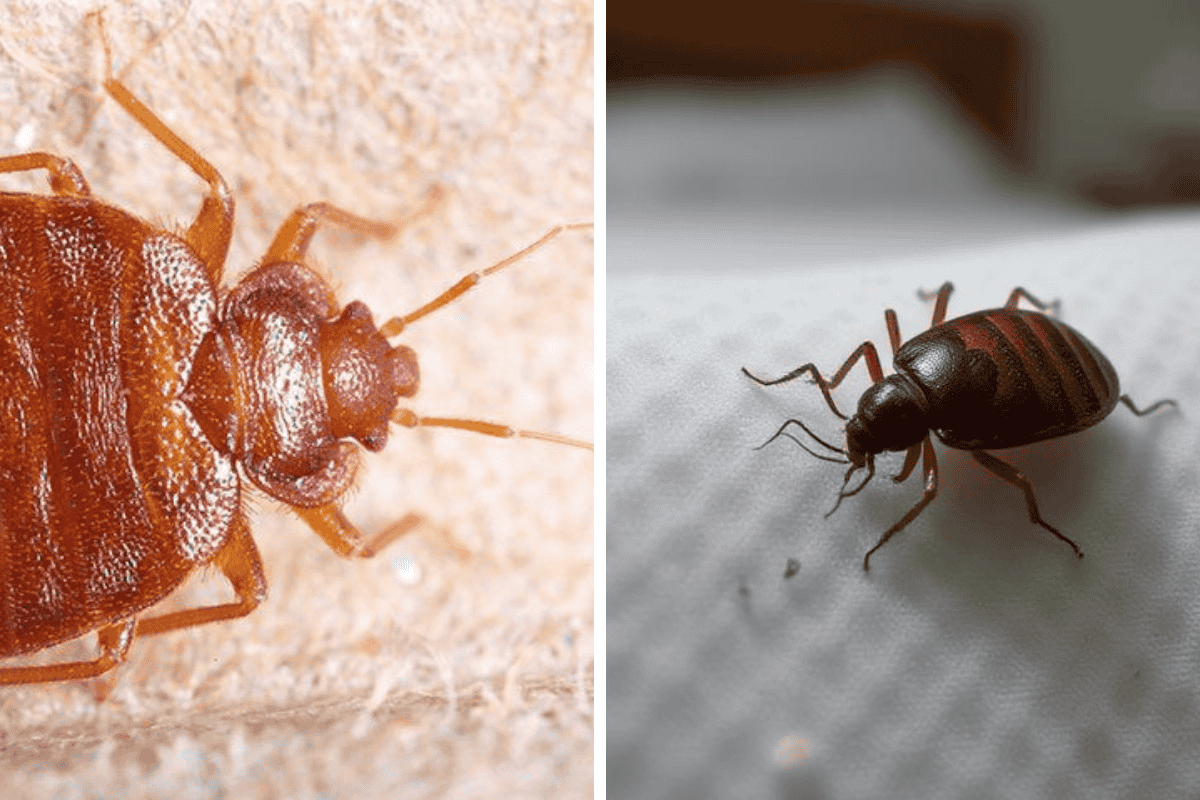
Spot rust-colored stains, shed skins, or fecal dots (black pepper-like) on sheets. Use a magnifying glass for apple-seed-sized adults; bites cause itchy welts in lines. DIY traps with double-sided tape or yeast-CO2 lures buy time, but pros average 3-7 visits at $1,000+. Avoid bug bombs—they scatter pests.
Prevention Playbook
Inspect hotel beds (lift mattress edges); bag clothes post-travel in hot dryers (30 min). Vacuum daily with crevice tools, seal cracks with caulk; encase boxes springs permanently. Declutter; wash linens weekly at 140°F. For apartments, notify management immediately—law requires action.
Economic Toll
Infestations cost Alabamans $100M yearly in treatments, lost wages, and vacancies. Hotels face 10-20% booking dips; Airbnb enforces pro-cleaning mandates. Low-income families suffer most, prompting Birmingham’s free clinic partnerships.
National Context
Philadelphia tops 2026 lists, but Southern climbs like Birmingham (up from 2025) reflect tourism revenge post-pandemic. Orkin notes resistance drives 20% more calls; EPA pushes non-toxic IPM nationwide. Alabama’s ADPH stresses multi-agency fights succeed best.
Expert Quotes
“Heat is king—bugs die instantly above 118°F, no chemicals needed,” says Orkin entomologist. “Early reporting halves costs,” notes Mobile Health official.
Long-Term Outlook
With spring surges, Alabama eyes statewide reporting databases by 2027. Climate change may worsen breeding; residents must stay vigilant. Check beds tonight—prevention beats invasion.
SOURCES:
- https://953thebear.com/alabama-is-crawling-with-bed-bugs-three-cities-among-most-infested/
- https://www.orkin.com/press-room/worst-cities-for-bed-bugs-annual-rankings