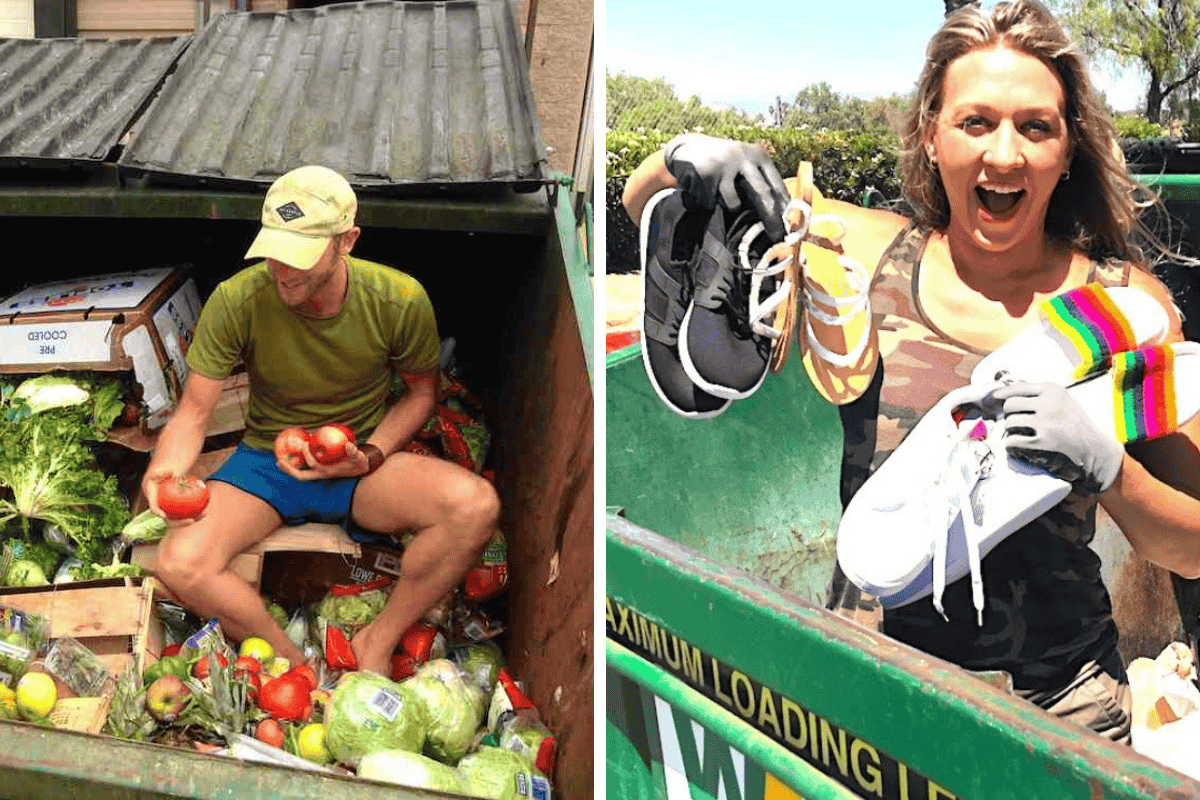
Dumpster diving in Kentucky is generally legal as of 2026, thanks to a landmark U.S. Supreme Court ruling and the absence of statewide prohibitions. Once items hit public trash areas, they’re considered abandoned, but private property lines and local signs create key risks.
This practice draws thrifters seeking free goods amid economic pressures, yet demands caution to avoid trespassing charges.
Legal Foundation
The 1988 Supreme Court case California v. Greenwood ruled discarded trash has no privacy expectation, greenlighting dives in public spaces nationwide. Kentucky follows suit with no explicit bans in state statutes like KRS Chapter 511 (trespass) or waste laws.
Communities thrive: The “Dumpster Diving in Kentucky” Facebook group boasts 3,000+ members sharing hauls from food to electronics. Enforcement targets behavior, not the act itself.
Public vs. Private Property
Location dictates everything—stick to public dumpsters for safety.
Fences, “No Trespassing” signs, or locked lids signal off-limits zones. Second-degree criminal trespass (KRS 511.070) carries up to 90 days jail or $250 fine.
Local Variations
No uniform Louisville ordinance bans it, but counties like Boone regulate discarded items on private land to curb nuisances. Rural spots tolerate more than urban Louisville or Lexington, where sanitation codes scrutinize messes.
Cities may cite public health (e.g., handling biohazards) or safety (blocked alleys). Always scout for cameras or patrols.
Common Penalties
Trouble stems from trespass, not diving.
- First offense: Warning or $100-250 fine.
- Repeat/Private Property: Class B misdemeanor (90 days max jail).
- Aggravating factors (damage, theft claims): Felony escalation rare but possible.
Police often release with a verbal warning if cooperative and trash is public. Document spots via apps like TrashNothing.
Best Practices
Maximize hauls legally and safely.
- Dive daylight hours; avoid nights to dodge suspicion.
- Leave cleaner than found—no scattering.
- Use gloves, flashlight; target food (Aldi/Walmart), bakery, or retail dumpsters.
- Group dives reduce solo risks.
Prime spots: Grocery strips post-close, college campuses (move-out days), strip malls. Yields include unopened goods, furniture, tech—worth $100s weekly.
Health and Safety
Hazards abound: Sharps, chemicals, moldy food. Rabies from rodents or bacteria like E. coli lurk; boil found produce or cook thoroughly.
Weatherproof gear essential in Kentucky’s humid summers, icy winters.
Ethical Considerations
Businesses discard edible items due to liability laws; “food waste bans” push donations, but diving supplements gaps. Some view it as freeloading, sparking “no dive” signs—respect them.
Communities donate finds via Buy Nothing groups, turning trash to treasure ethically.
Alternatives and Resources
Freecycling via Craigslist or apps beats risks. Food banks like God’s Pantry partner with grocers.
Legal aid: Kentucky Legal Aid for disputes; check KRS online. Groups like Dumpster Diving KY share maps.
SOURCES:
- https://www.reddit.com/r/Kentucky/comments/1eo9pqq/how_illegal_is_it_to_dumpster_dive_in_ky/
- https://www.courier-journal.com/story/news/local/2026/01/22/dumpster-diving-laws-kentucky/87811041007/