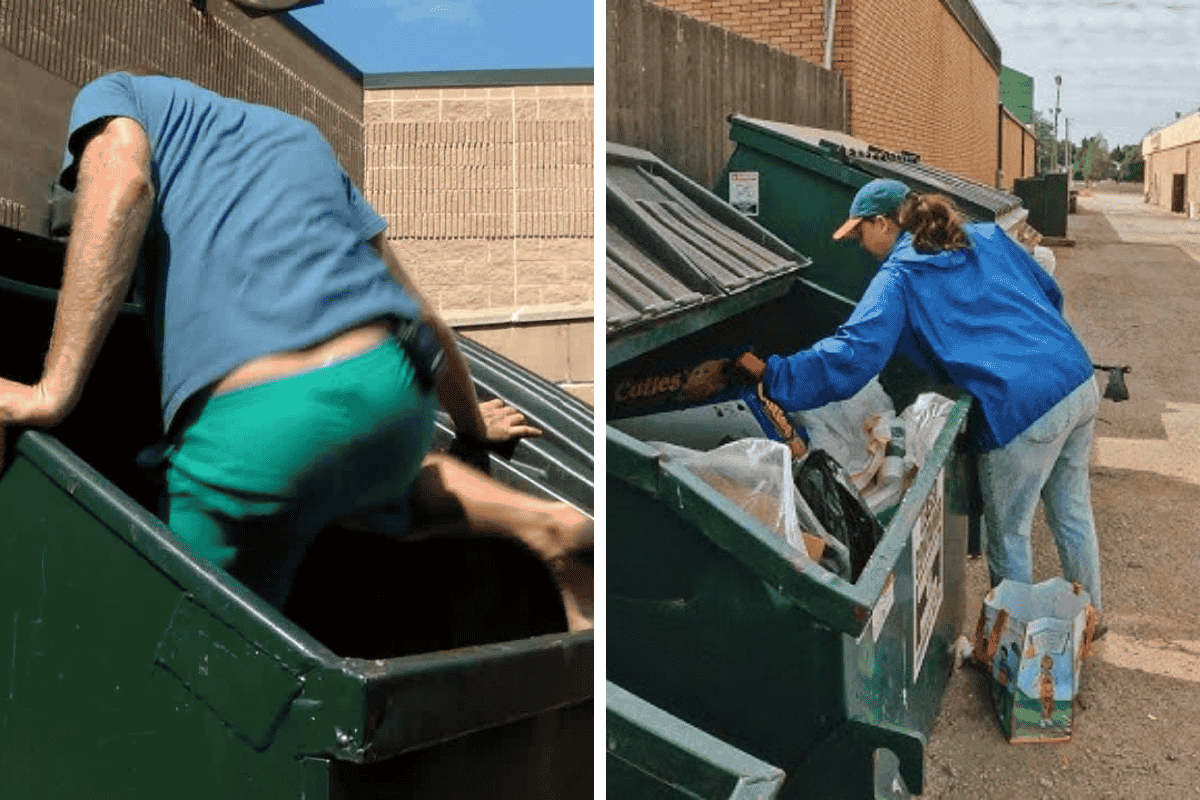
Dumpster diving in Louisiana is generally legal under state law as of 2026, provided you avoid trespassing on private property and respect local ordinances.
Once items are discarded as trash, they become abandoned property per U.S. Supreme Court precedent (California v. Greenwood, 1988), allowing retrieval from public spaces. However, practical risks like business “no trespassing” signs and municipal rules demand caution for divers seeking food, goods, or scrap.
Statewide Legal Framework
Louisiana has no statute banning dumpster diving outright; trash in public curbside bins is fair game as abandoned. Key prohibition: Trespassing (La. R.S. 14:63), a misdemeanor punishable by up to 30 days jail and $500 fine if you enter fenced lots, climb gates, or ignore signs without owner permission. Public alleys or sidewalks? Legal, absent local bans.
Enforcement prioritizes property rights over scavenging; police rarely cite diving alone unless mess or theft suspicions arise. Retailers lock dumpsters or post warnings to deter, turning dives into criminal matters.
Private vs. Public Property Rules
Public dumpsters (e.g., apartment curbside pickups) pose low risk—take freely if unsealed. Private ones behind stores like Walmart or restaurants require explicit OK; “no diving” signs activate trespass laws immediately.
Shreveport businesses, for instance, warn divers targeting copper wire, emphasizing property status over the act. Courts view locked or enclosed dumpsters as protected, even post-discard.
Local Ordinances and Variations
Cities like New Orleans or Baton Rouge may restrict via sanitation codes, banning dives near collection times or in parks to curb hazards. Parishes (e.g., Lincoln) discuss penalties for illegal dumping but tolerate clean retrievals. No statewide 2026 changes noted; check Municode or parish sites pre-dive.
Coastal areas enforce stricter for health post-storms; rural spots laxer absent complaints.
Safety and Ethical Considerations
Divers face needles, chemicals, or spoiled food—wear gloves, boots, and masks. Leave no trace to avoid litter citations (La. R.S. 30:2184). Food from chains is often edible per dates; resell scrap legally but disclose origins.
Communities view it variably: Thrill for some, nuisance for others amid economic pressures.
Practical Tips for Legal Diving
- Scout during day; ask managers politely—many permit.
- Target post-close retail/apartments; avoid chains with cameras.
- Use apps like TrashNothing for organized swaps.
- Document locations; exit if confronted.
- Research via city hall: “Dumpster ordinances [city].”
Potential Penalties and Defenses
First offenses: Warnings common; repeat trespasses escalate to jail/fines. Defenses: Prove abandonment, no intent to steal, or permission. Video interactions help; Greenwood protects against privacy claims.
Not theft—discarded items lack ownership—but “theft of services” rare if no damage. Homeless exemptions limited; ordinances target all.
Broader Context and Alternatives
Rising costs fuel dives, yielding furniture, electronics, perishables. Safer options: Buy Nothing groups, freecycle.org, or scrap yards. 2026 economy may spur local bans; monitor via news.
SOURCES:
- https://973thedawg.com/is-it-legal-to-dumpster-dive-in-louisiana/
- https://www.worldlawdigest.com/usa/general/is-dumpster-diving-legal-in-louisiana