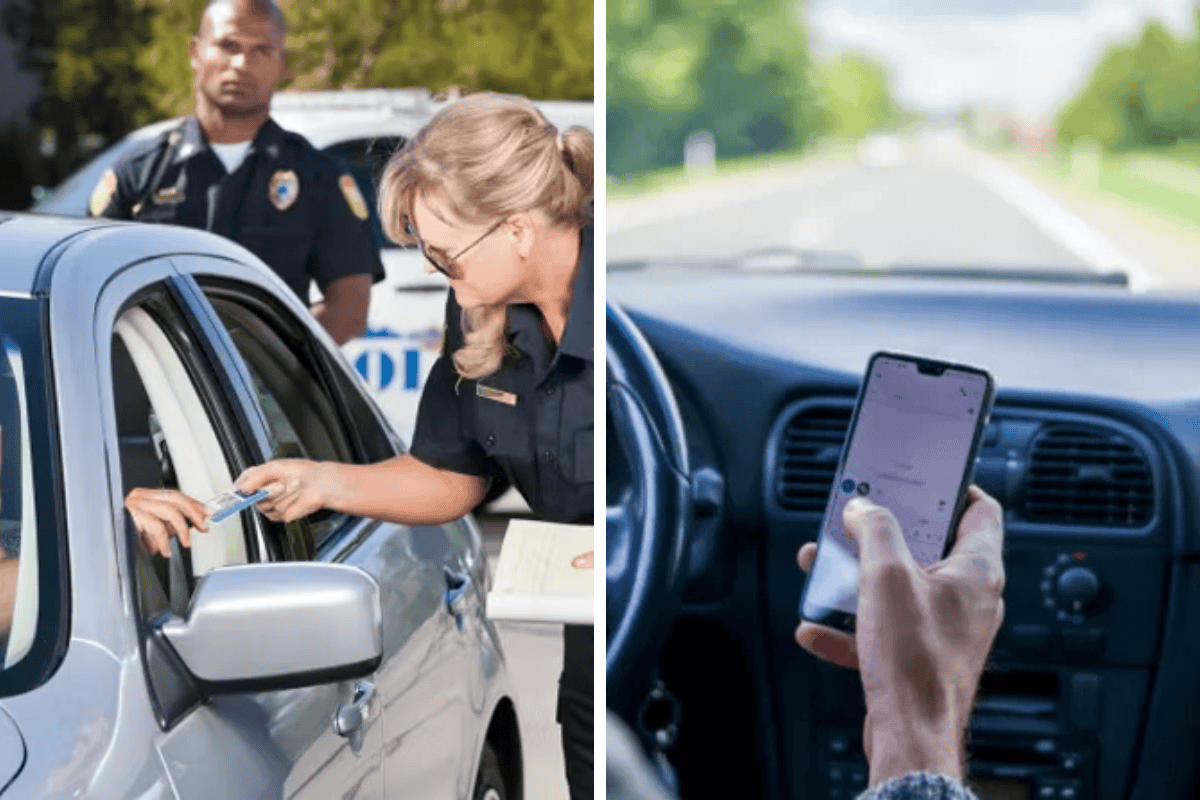
If you’re pulled over in Louisiana, you might wonder how far police can go during a traffic stop. One common concern is whether officers can search your phone. The short answer: usually no — not without a warrant or your permission.
Your Phone Is Protected
Under the Fourth Amendment, your phone is considered private property with highly sensitive data.
The U.S. Supreme Court case Riley v. California (2014) made it clear that police generally must get a warrant before searching the contents of a cellphone.
When Police Cannot Search Your Phone
During a typical traffic stop, officers cannot search your phone if:
- You do not give consent
- They do not have a warrant
- There is no immediate emergency
Simply being stopped for a traffic violation does not give officers the right to go through your device.
When They Might Be Allowed
There are a few exceptions where a search could be legal:
- You give consent: If you say yes, they can search
- Warrant: A judge approves a search based on probable cause
- Exigent circumstances: Rare emergencies, such as imminent danger or destruction of evidence
What About Unlocking Your Phone?
Police may ask you to unlock your phone, but:
- You are not required to consent
- You can politely refuse
Courts continue to debate issues like biometric unlocking (fingerprint/face ID), but in most situations, officers still need legal authorization.
What You Should Do
If asked to hand over or unlock your phone:
- Stay calm and respectful
- Clearly say, “I do not consent to a search”
- Do not physically resist
- Ask if you are free to leave
Final Note
In Louisiana, your phone is strongly protected by law. Unless you give permission or police have a warrant or a valid emergency reason, they cannot search it during a traffic stop. Knowing your rights can help you handle these situations confidently and safely.
Sources:
- https://righttoremaininformed.com/know-your-stop.html
- https://www.askforory.com/post/your-rights-during-a-police-stop-what-you-can-and-cannot-do