In Minnesota, sleeping in your car is usually not illegal by itself, but where you park and how long you stay can quickly turn it into a legal issue. Local ordinances, parking rules, and concerns about camping‑by‑vehicle mean Minnesota renters, travelers, and people in temporary housing should know both the gray areas and the clear‑cut limits.
Is it legal statewide?
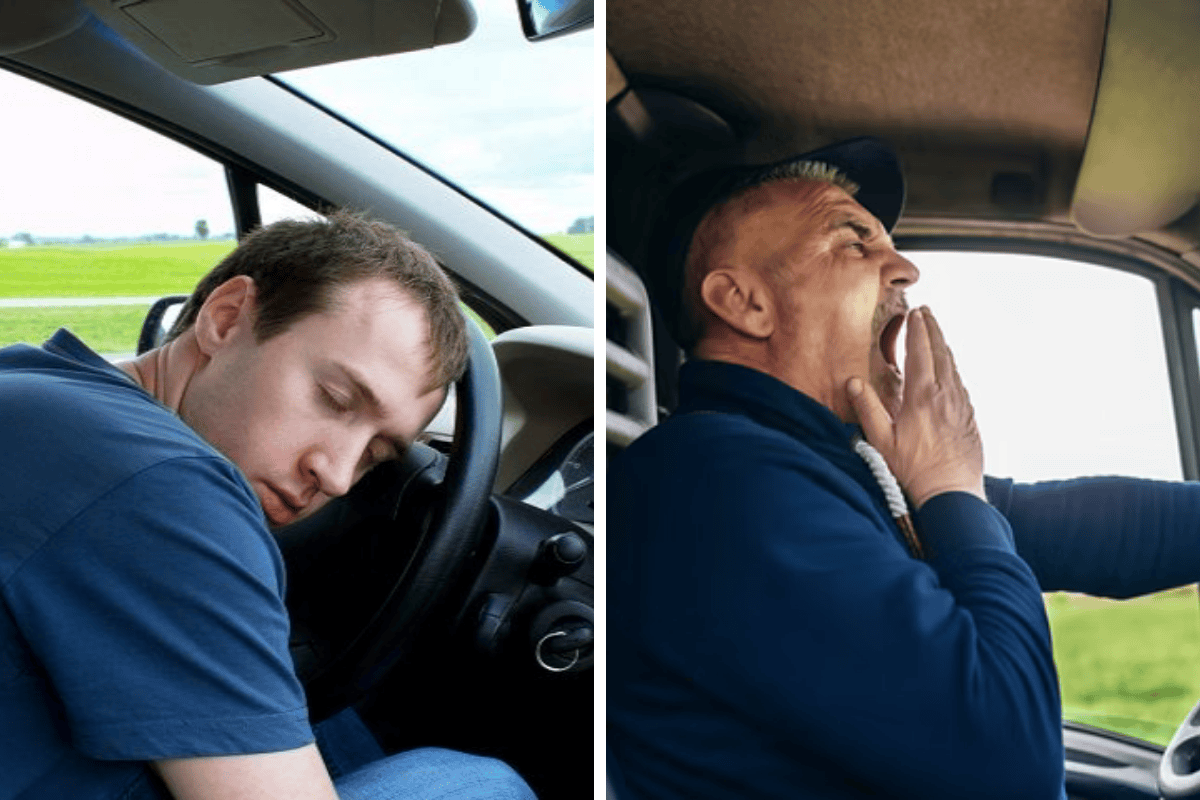
Minnesota does not have a statewide law that bans sleeping in a vehicle. That means merely dozing off to avoid drowsy driving or taking a short nap in your car is not, on its own, a crime. However, being in “physical control” of a car while intoxicated can still lead to a DWI charge, even if you never drive.
Local vs. state rules
Most legal risk comes from local ordinances, not state statutes. Cities and towns often treat sleeping in a car as “camping” or “overnight parking,” and they can ban both on public streets, in parks, or in certain commercial zones. If a city ordinance prohibits camping or long‑term parking, police may move you along or issue citations even if Minnesota state law does not mention sleeping in vehicles.
Rest stops and public highways
Rest areas are one of the safest places to nap in your car, but they are meant for short breaks, not overnight stays. The Minnesota Department of Transportation generally allows noncommercial vehicles to stop at rest areas for up to about 4 hours; some signs may allow up to 5 hours.
Overnight parking is not allowed at standard rest stops, and state patrol may enforce these limits to prevent people from turning them into informal campsites.
Private property and retail lots
Sleeping in your car in a Walmart, truck stop, or other retail lot is not banned by state law, but it is private property. You must have the owner’s permission to park and stay overnight; without it, you can be asked to leave or face trespassing charges. Some big‑box stores quietly allow road‑trippers to sleep in their lots, but others enforce strict rules or call police if someone stays too long.
Residential streets and city streets
Many Minnesota cities ban overnight parking on residential streets or have curfew‑style rules that effectively make car‑sleeping difficult. Some ordinances equate sleeping in a vehicle with camping, which can be illegal on public property unless it is in a designated campground. On‑street parking with time limits or “no overnight parking” signs can lead to tickets or towing, even if the main infraction is the parking violation, not the act of sleeping.
State parks, forests, and public land
Most state parks and forests require you to stay in designated campsites and pay a fee. Sleeping in your car in a day‑use lot, trailhead parking area, or general public‑land pull‑off is generally not allowed and can be treated as illegal camping. Rangers and patrols may ask you to leave, issue citations, or require you to move to a formal campground or rest area.
Safety and police interaction
If you must sleep in your car, pick well‑lit, 24‑hour locations such as certain truck stops or travel information centers, and keep your doors locked. If an officer approaches, be polite, honest about why you are there, and prepared to move if asked. Officers often focus on public‑safety complaints such as noise, trash, or blocked sidewalks, not the fact that you are sleeping.
Avoiding DWI or criminal charges
Even if you intend to rest, sleeping in the driver’s seat while intoxicated can still lead to a DWI under Minnesota’s “physical‑control” rule. If your blood alcohol level is above the legal limit and you are in a position to drive, you can be charged. To avoid this risk, call a friend, rideshare, or sober companion instead of using your car as a designated napping spot.
Practical tips for 2026
- Check local ordinances before planning to sleep in your car in a city or on a residential street.
- Use rest areas for short naps (typically 4–5 hours) and avoid treating them as overnight housing.
- If you park overnight at a store or lot, get explicit permission from management.
- For longer stays, look into campgrounds, shelters, or low‑cost motels rather than relying on vehicle sleeping.
In short, Minnesota does not outlaw sleeping in your car by statute, but local rules, parking limits, and camping‑type ordinances create a web of restrictions that can make it effectively illegal in many places. Knowing where you are allowed to park and for how long is the key to staying on the right side of the law.
SOURCES:
- https://b105country.com/legal-sleep-in-car-minnesota/
- https://geraldmillerlawyer.com/blog/can-you-get-dui-for-sleeping-in-your-car/