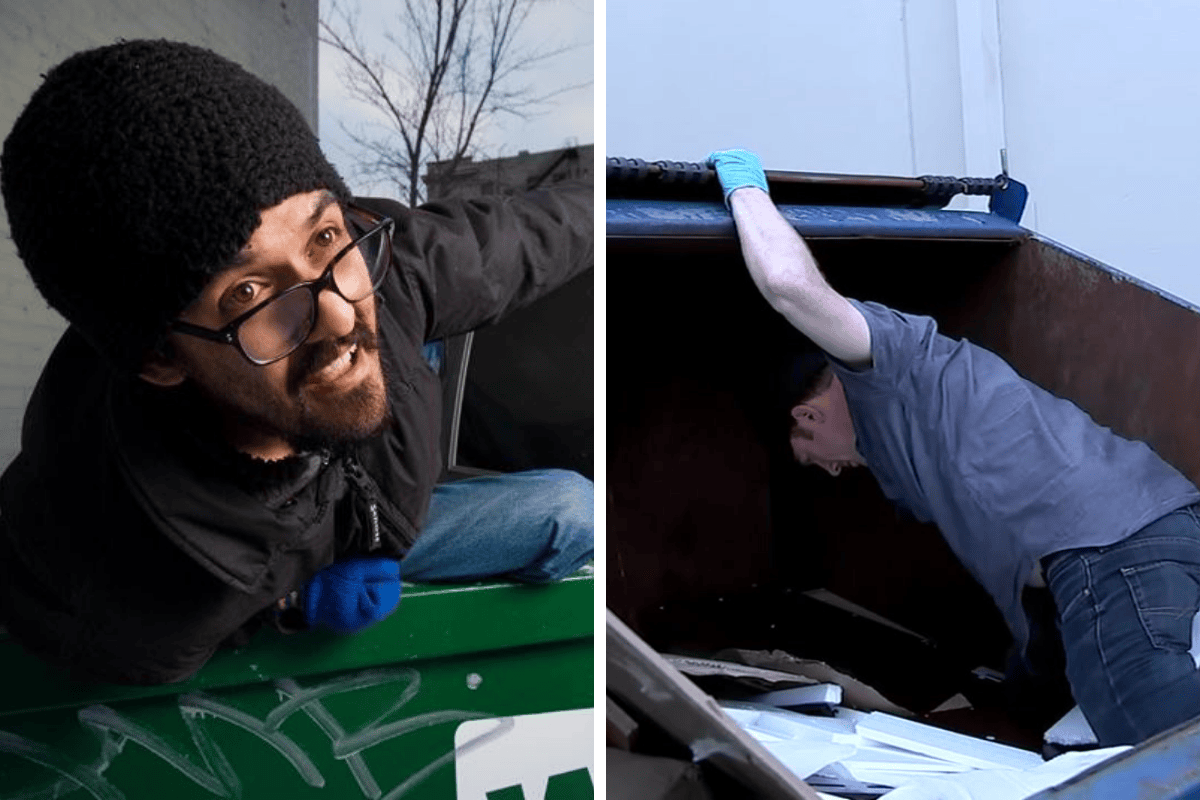
Dumpster diving in South Carolina is not illegal in itself, but it can quickly become unlawful depending on where you do it and how you do it. The state does not have a specific “dumpster diving” statute, so the legality hinges mainly on trespassing, theft‑type laws, and local city or county rules.
What South Carolina law actually says
There is no South Carolina state law that explicitly bans searching through or taking items from a trash bin. Once property is thrown into a dumpster that is reasonably accessible to the public, courts have generally treated it as abandoned, meaning the original owner has given up ownership rights.
This line of thinking is similar to how courts view police searches of curb‑side trash: if it is placed in a public‑access area, it is no longer private.
However, South Carolina does have trespassing and theft statutes that can be applied to dumpster diving if you cross into private property or take something that is not clearly discarded. The key is that the activity is not outlawed, but how you access the dumpster and what you take can open you up to criminal charges.
Public vs. private property
The biggest legal dividing line is whether the dumpster sits on public property (like a city street or public park) or private property (a business parking lot, gated complex, or residential yard).
- On public property, dumpster diving is usually permissible unless a local ordinance forbids it. Even then, the ordinance is usually about sanitation, litter, or nuisance, not the act of retrieving items.
- On private property, you generally need permission from the owner or manager. If you step over a fence, go through a locked gate, or ignore “no trespassing” or “no dumpster diving” signs, you can be charged with trespassing, which is typically a misdemeanor in South Carolina.
Local ordinances and city rules
Some cities or counties in South Carolina may have ordinances that regulate or restrict dumpster diving in certain areas. For example, a town might ban loitering in commercial lots at night or prohibit “rummaging” in trash containers to cut down on litter or security concerns.
These rules do not usually target dumpster diving by name but can be used to remove or ticket someone who is digging through bins on public street corners or in tightly controlled commercial zones.
Before you dive in a specific area, it helps to:
- Check the city’s municipal code (often online) for “trash,” “loitering,” or “waste receptacles” sections.
- Notice posted signs that say “no trespassing,” “no dumpster diving,” or “police in area”; these give officers room to enforce trespassing laws.
When it can become illegal
Even in a generally permissive state, several scenarios can turn dumpster diving into a legal problem:
- Trespassing: Climbing fences, entering fenced‑in service areas, or ignoring “no trespassing” signs to reach a dumpster can lead to a misdemeanor–level trespassing charge.
- Theft or theft of services: If you take something clearly marked as “property of the business,” still in a sealed container, or under a contract (like a leased copier), a store may argue it is not truly abandoned.
- Loitering or disorderly‑conduct claims: Staying too long, making a mess, or attracting complaints can give police grounds to ask you to leave or issue citations under local nuisance or loitering laws.
Safety, privacy, and practical tips
From a practical standpoint, many South Carolina‑based guides and legal overviews suggest that dumpster diving is still a gray‑but‑often‑tolerated activity if you:
- Stick to dumpsters that are easily accessible from public streets or sidewalks and not behind locked gates or fences.
- Avoid late‑night hours in busy retail zones, where security and police are more likely to intervene.
- Ask permission if you are unsure; some stores quietly allow “good faith” retrieval of items that are clearly marked as trash, especially large food‑waste or bakery bins.
- Clean up after yourself and avoid creating a mess, because litter or spill‑related complaints are one of the easiest ways for authorities to crack down.
SOURCES:
- https://extrachill.com/a-guide-to-dumpster-diving-in-south-carolina
- https://www.lawsuittalks.com/is-dumpster-diving-illegal-in-sc/