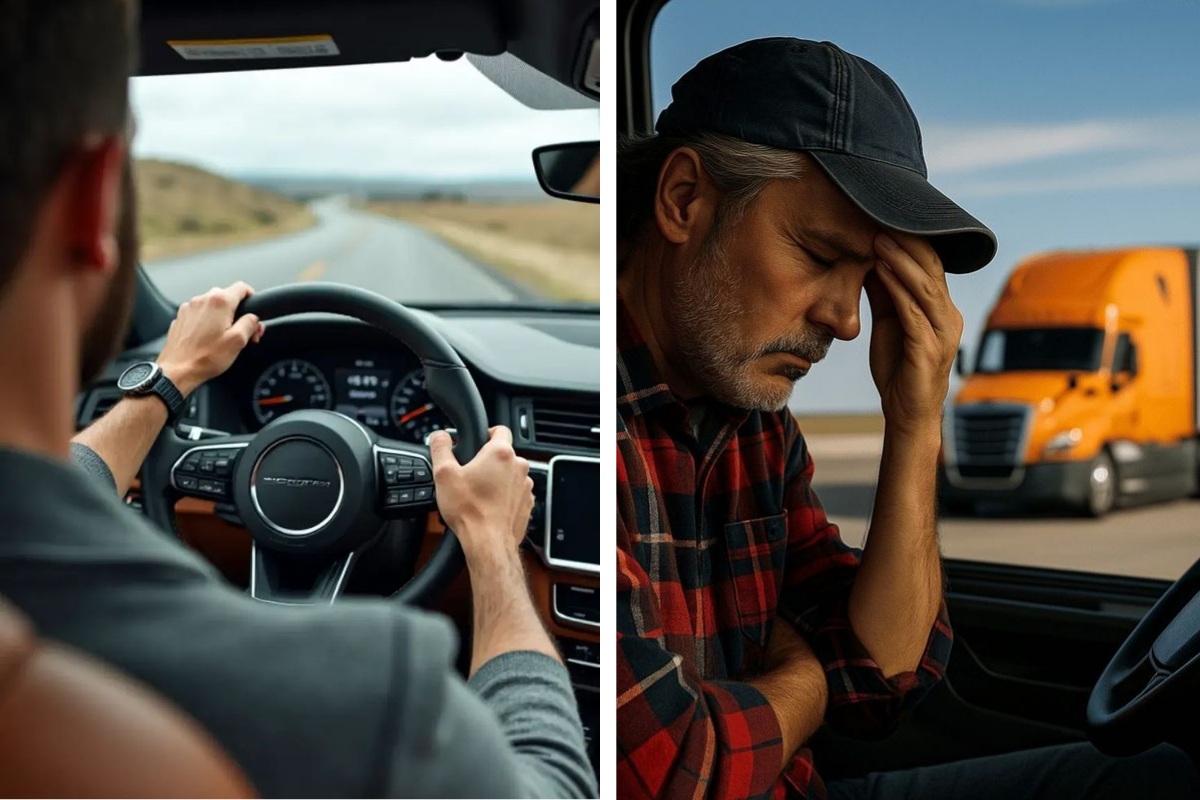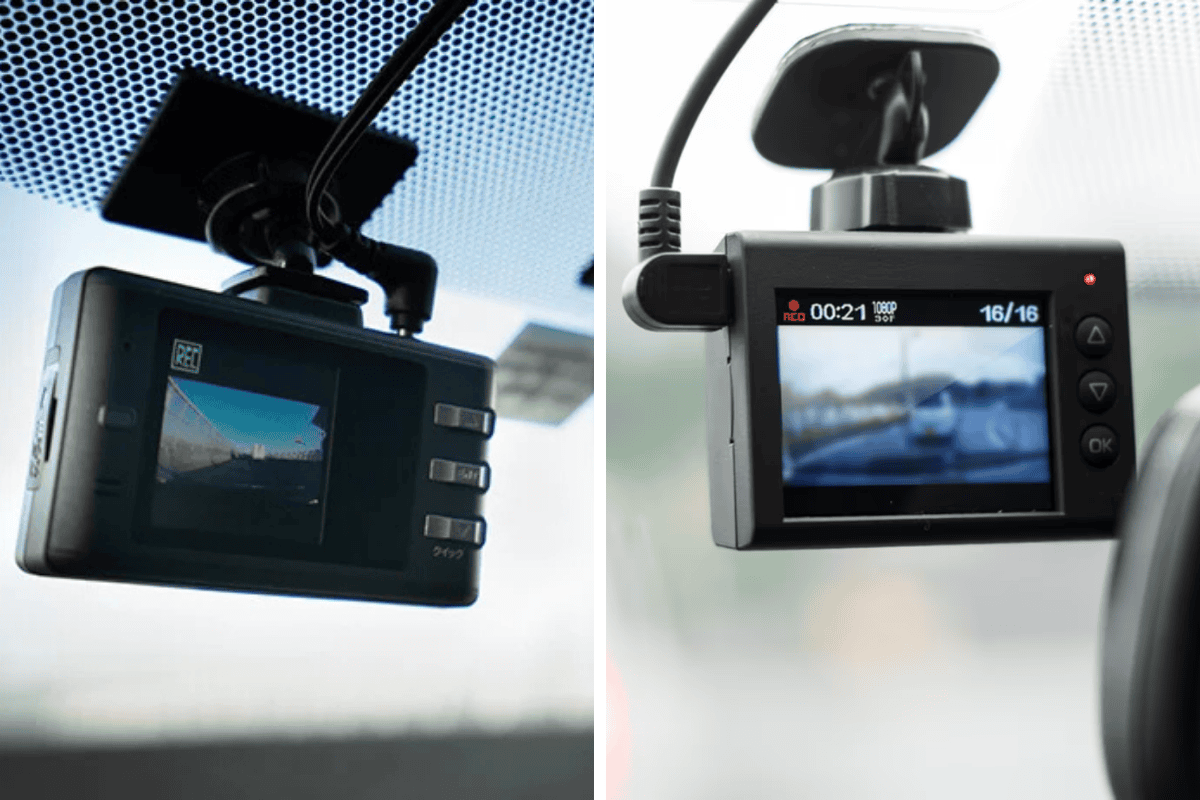
Dash cams, or dashboard cameras, have surged in popularity in Connecticut as invaluable tools for documenting accidents, insurance claims, and road incidents amid the state’s congested highways like I-95 and I-84.
Good news for Nutmeg State drivers: Dash cams are fully legal, with no statewide bans on installation, use, or footage admissibility. However, strict rules on mounting, audio consent, and privacy ensure safe, compliant operation—critical in a state with rigorous vehicle safety standards under Conn. Gen. Stat. § 14-99.
Mounting and Placement Rules
Connecticut prioritizes unobstructed visibility. Conn. Gen. Stat. § 14-99(g) prohibits any non-transparent material or opaque objects on the windshield that impair the driver’s view—no exemptions carve out dash cams explicitly. Violations risk infractions ($75–$250 fines) or points on licenses.
Legal Placements:
Best Practices: Use suction-cup mounts below AS-1 line (manufacturer stamp); test for blind spots. Fleet vehicles (e.g., rideshares) follow same rules—no special exemptions.
Audio Recording Consent Laws
Connecticut’s wiretapping statute (Conn. Gen. Stat. § 52-570d, § 53a-187–189) distinguishes:
- In-Person Conversations: One-party consent—legal if driver consents (you’re a party).
- Electronic Communications: All-party consent required for intercepted calls/texts via Bluetooth.
Disable audio or post “Dash Cam Recording” signs for passengers. Non-compliance risks civil suits ($1,000+ damages) or criminal misdemeanor (up to 1yr jail). Video alone (muted) sidesteps issues.
Privacy and Public Recording Rules
- Public Roads: Footage legal; no expectation of privacy.
- Private Property: Permission needed (e.g., parking lots)—trespass/privacy claims possible.
- Police Interactions: Legal to record on-duty officers in public (First Amendment); § 29-6d regulates police cams only.
- Sharing Footage: Blur faces/plates for YouTube; unaltered clips admissible in court if authenticated (timestamp/GPS intact).
Admissibility in Court and Insurance
Connecticut courts welcome dash cam evidence under Conn. R. Evid. 9-1 (authentication). Footage proves fault, speeds, red lights—strengthening claims. Insurers like GEICO accept it for disputes; some offer discounts (5–10%) for usage. Police may subpoena post-crash; tampering = obstruction (felony).
Police and Fleet-Specific Regulations
- Police Dash Cams: Mandated (§ 29-6d); retention 90–180 days for incidents.
- Commercial Fleets: Same civilian rules; no FMCSA overrides for CT intrastate.
- Rideshares (Uber/Lyft): Disclose to riders; audio opt-out options.
Penalties for Non-Compliance
Best Practices and Recommendations
Fleet Tips: Train drivers; signage for consent. Insurance consults verify compliance.
Recent Developments and Trends
No 2026 changes; 2025 connected-device bill (§ on consent for mics/cams) reinforces audio rules. Rising accidents (CT ranks high nationally) boost adoption—sales up 25% YoY.
SOURCES:
- https://www.ddpai.com/blog/dash-cam-laws/
- https://www.freightwaves.com/checkpoint/dash-cam-laws-by-state/