Alabama maintains some of the most permissive knife laws in the United States, allowing broad ownership, possession, and carry rights for residents and visitors alike.
State statutes impose few restrictions on knives, emphasizing personal freedom while deferring to local ordinances in some cases. This guide outlines key aspects of Alabama knife laws as of 2026, helping you navigate carry options, restrictions, and best practices.
Overview of Alabama Knife Laws
Alabama does not regulate most knives at the state level, with no prohibitions on common types like folders, fixed blades, or automatics. Open and concealed carry are both legal statewide, following amendments in 2022 (effective January 1, 2023) that removed prior bans on concealed Bowie knives and similar blades from §13A-11-50.
There is no statewide blade length limit, and ownership of switchblades, balisongs, assisted-opening knives, and even ballistic knives (subject to federal rules) is permitted. However, Alabama lacks statewide preemption for knives—unlike firearms under §13A-11-61.3—meaning cities and counties can enact stricter rules.
Open and Concealed Carry Rights
You can openly carry any knife in Alabama without restriction under state law, as §13A-11-57 does not limit open carry. Concealed carry is equally unrestricted following HB272 (Act 2022-133), which excised knife references from concealed weapons statutes, now applying only to firearms.
Ordinary pocket knives, fixed blades, and even larger tools are fine for everyday carry, provided they are not used unlawfully. Intent matters: carrying with intent to harm remains illegal, but lawful self-defense or utility use is protected.
Prohibited Locations and Situations
Knives classified as “deadly weapons”—including switchblades, daggers, stilettos, and clubs—are banned on school property under §13A-11-72, even without intent to harm. School policies under §16-1-24.1 further restrict weapons, so avoid bringing any knife to K-12 facilities. Other government buildings, courthouses, or airports may have no-knife rules via local ordinance or federal law. Felons should consult counsel, as general prohibitions on “deadly weapons” may apply.
Local Ordinances to Watch
Without preemption, municipalities set their own rules. Montgomery limits blades to 3 inches. Birmingham restricts public carry of blades over 4 inches, while others like Fairhope, Tuscumbia, Tuscaloosa, Vestavia Hills, and Midfield also cap at 3 inches. Mobile requires disclosure for blades over 4 inches to authorities. Always check city codes before traveling—apps or municipal websites provide current ordinances.
Age Restrictions and Sales
Minors under 18 cannot buy or receive Bowie knives or “like kind” blades per §13A-11-57. General knife purchases have no statewide age minimum beyond this, though retailers may impose 18+ or 21+ policies. Parents can gift non-restricted knives to children.
Specific Knife Types Allowed
| Knife Type | Legal Status | Key Notes |
|---|
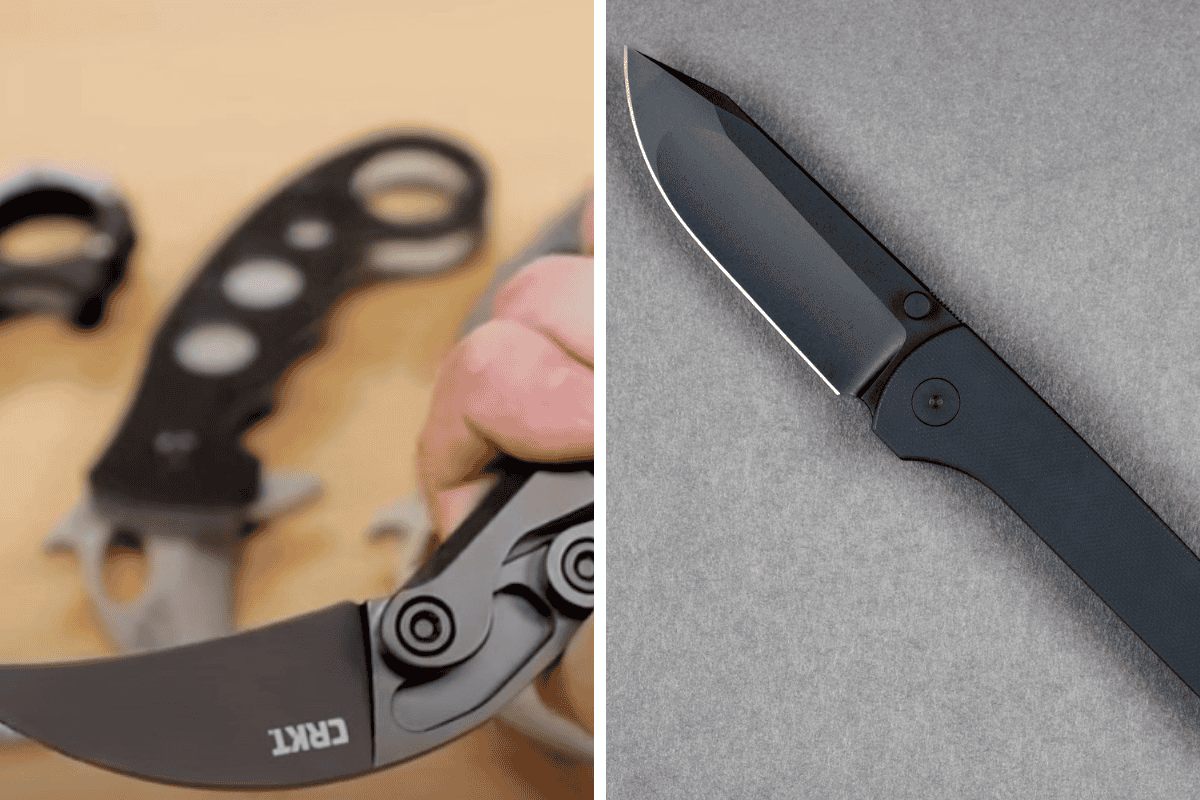
Knuckle knives or those solely designed as weapons may face scrutiny, but most utility and EDC knives are clear.
Practical Tips for Compliance
Research your destination’s local laws via city hall sites or tools like Knife Informer. Store knives securely in vehicles if crossing restrictive areas. For self-defense, pair with Alabama’s stand-your-ground laws, but avoid brandishing.
If stopped by police, disclose calmly and emphasize utility purpose. Consult an attorney for personalized advice, as laws evolve—recent 2026 reviews show no major changes.
SOURCES:
- https://www.akti.org/state-knife-laws/alabama/
- https://nobliecustomknives.com/us-knife-laws/alabama-knife-laws/