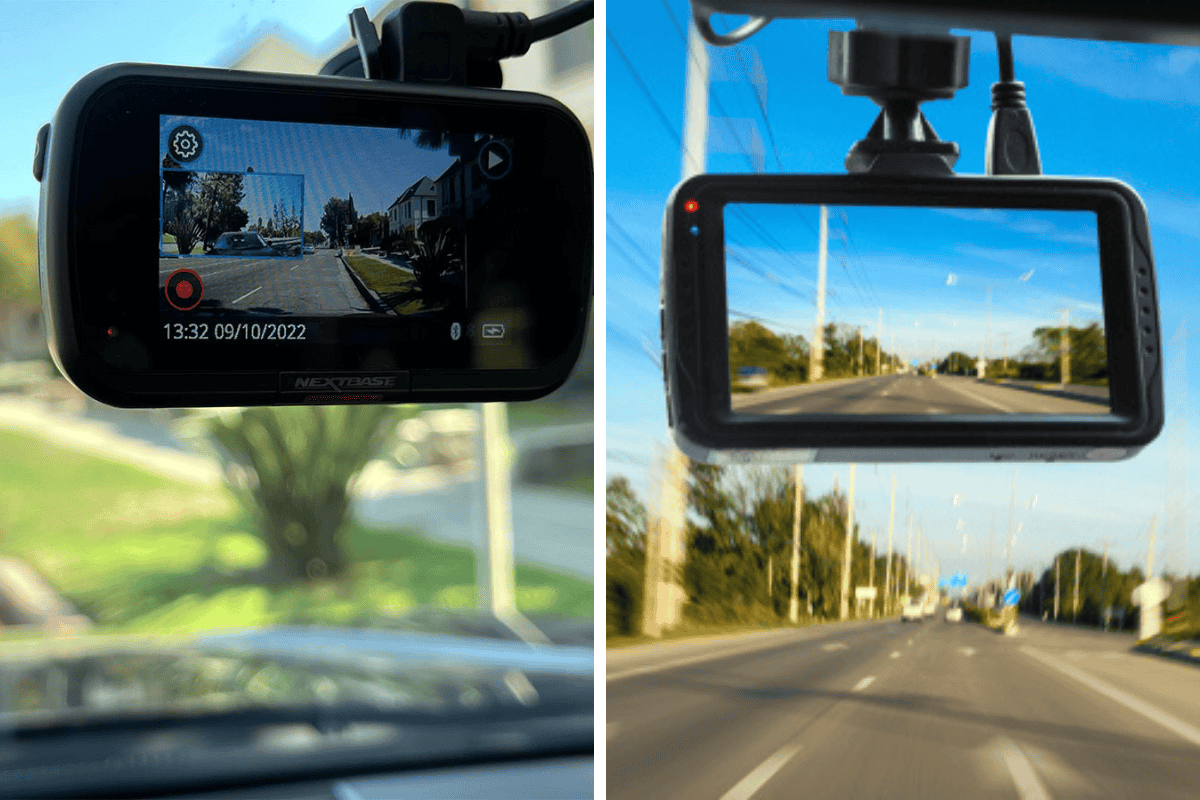
Dash cams are legal in Oregon, offering drivers valuable protection through objective footage of accidents, traffic incidents, and road behavior. However, strict rules govern mounting, visibility, and audio recording to ensure safety and privacy compliance under Oregon Revised Statutes (ORS).
Mounting and Visibility Requirements
Oregon law (ORS 815.260 and ORS 815.270) prohibits any object, including dash cams, that “prevents or impairs the ability to see into or out of the vehicle.” Windshield mounting is risky—suction cups or adhesives cannot block the driver’s view, even slightly. Preferred placements include the dashboard top, behind the rearview mirror (if unobtrusive), or headliner mounts.
Enforcement is practical: Portland-area officers often overlook minor setups but cite clear obstructions, with fines up to $250 for first offenses. Avoid side windows or tint overlaps, as these compound violations.
Audio Recording Consent Rules
Oregon follows an all-party consent law for audio (ORS 165.540), meaning everyone in the vehicle must agree to recording conversations. Video-only dash cams pose no issue, but disable microphones or notify passengers to avoid illegal wiretapping charges (Class A misdemeanor, up to 1 year jail). This differs from one-party states; intrastate travel triggers the rule. Commercial fleets must inform employees per privacy policies.
Privacy and Public Recording
Dash cams capture public roads legally—no expectation of privacy exists there. Recording police during stops is protected First Amendment activity, but maintain distance to avoid obstruction charges. Footage of private property (e.g., driveways) requires caution; sharing identifiable non-public clips risks civil suits. Employers can install cams in company vehicles with notice, but union rules may apply.
Using Footage in Court and Insurance
Admissible dash cam evidence strengthens claims: Oregon courts accept clear, timestamped video for fault determination, often swaying insurers toward fair settlements. In accidents, submit unaltered files promptly—tampering voids credibility. No subpoena needed for personal use, but police may request for investigations. Night vision and GPS-enabled cams are fully legal, enhancing evidentiary value.
Commercial and Fleet Considerations
Trucking regulations align with personal use: FMCSA allows dash cams if non-obstructive, but Oregon adds audio consent for driver logs. AI event-triggered models aid compliance without constant review. No screen-viewing-while-driving ban exists, unlike some states.
Best Practices for Oregon Drivers
- Test visibility: Ensure no blind spots pre-drive.
- Position low: 1-2 inches from windshield top is safest.
- Mute audio: Or use signage: “This vehicle records video/audio.”
- Update firmware: For Oregon’s rainy conditions.
- Backup securely: Cloud storage protects against loss.
Penalties escalate for repeats: $500+ fines, points on license. With Oregon’s high insurance rates (avg. $1,500/year), cams can yield 10-20% discounts via providers like Progressive.
Recent Updates and Trends
As of 2026, no new bans emerged, but HB 2025 urged “distracted tech” reviews—monitor legislature. Portland’s Vision Zero pushes safer roads, favoring cams. Rising EV adoption boosts interior cams for theft deterrence.
SOURCES:
- https://theashlandchronicle.com/understanding-dash-cam-regulations-in-oregon/
- https://www.ddpai.com/blog/dash-cam-laws/