
A new policy idea in the United States is creating debate in the banking and political world. Officials are considering a rule that could require banks to collect citizenship information from customers, which would be a major change from current practices.
What the Proposal Is About
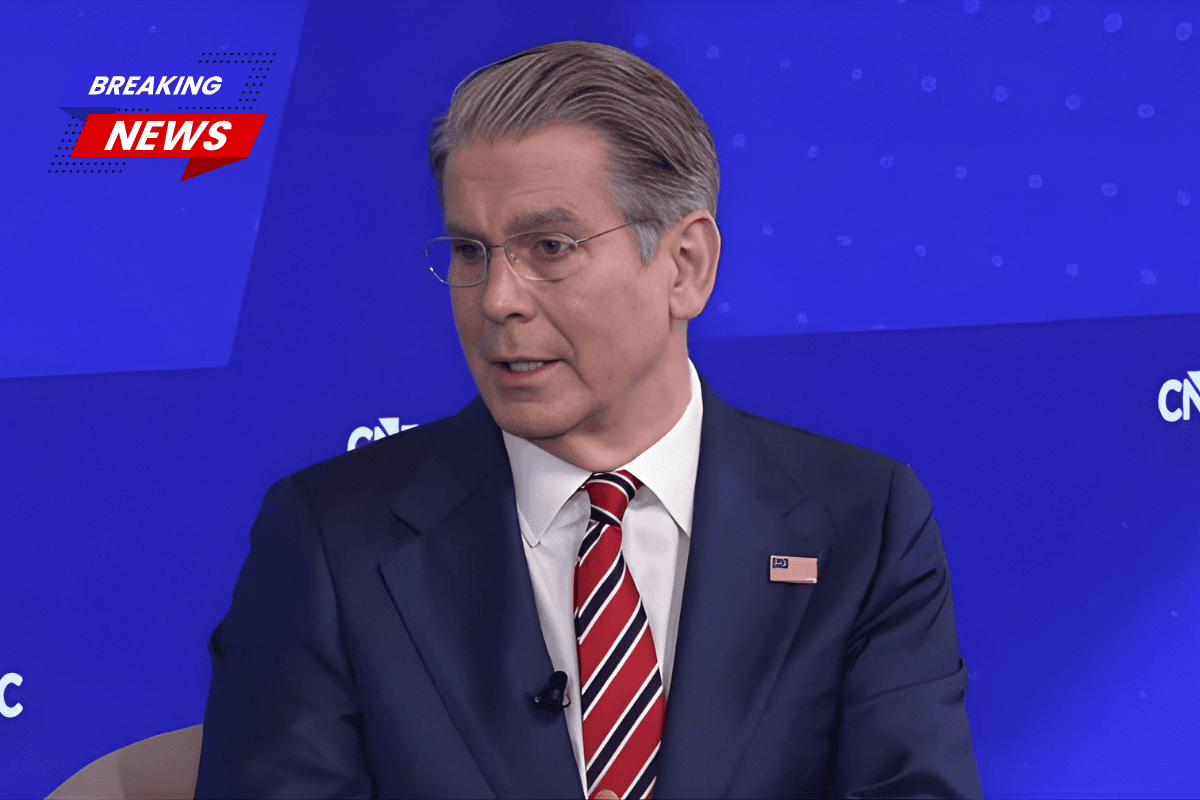
Scott Bessent has said that banks should be ready to collect citizenship details if the government makes it mandatory. He made this statement during an event in Washington, D.C., while discussing a possible executive order.
The proposed order is part of a broader push by Donald Trump to connect immigration policies with data collection systems in the country.
Current Banking Rules in the U.S.
At present, banks in the U.S. do not require proof of citizenship to open an account. Instead, they follow “Know Your Customer” (KYC) rules, which focus on verifying identity.
Customers usually need to provide:
- Name
- Date of birth
- Address
- Social Security Number or ITIN
These rules are supported by laws like the Bank Secrecy Act and the USA PATRIOT Act, which aim to prevent fraud and money laundering.
Why Officials Want a Change
Bessent believes that knowing a customer’s citizenship or immigration status is an important part of security. He questioned how banks can fully understand their customers without this information.
Supporters of the proposal argue that stricter checks could improve oversight and reduce misuse of the financial system.
Political Support for the Idea
The proposal has received backing from some lawmakers. Tom Cotton introduced a bill that would require banks to confirm whether a customer is a U.S. citizen, permanent resident, or has a valid visa.
This shows that the idea is not just being discussed but could move toward becoming law.
Concerns From Experts and Banks
Many experts and financial institutions are worried about the possible impact of such a rule. One major concern is that it could push millions of people out of the banking system.
Non-citizens, including undocumented immigrants, currently use bank accounts to:
- Pay taxes
- Store money safely
- Avoid relying only on cash
If access becomes restricted, more people may become “unbanked,” which can affect both individuals and the overall economy.
Cost and Workload Challenges
Another issue is the cost for banks. Studies suggest that verifying citizenship for all customers could require tens of millions of extra work hours.
The total cost could run into billions of dollars, especially if banks also have to check existing account holders.
What Happens Next
The executive order is still in progress and has not yet been finalised. If implemented, it would mark a significant shift in how banking works in the U.S.






