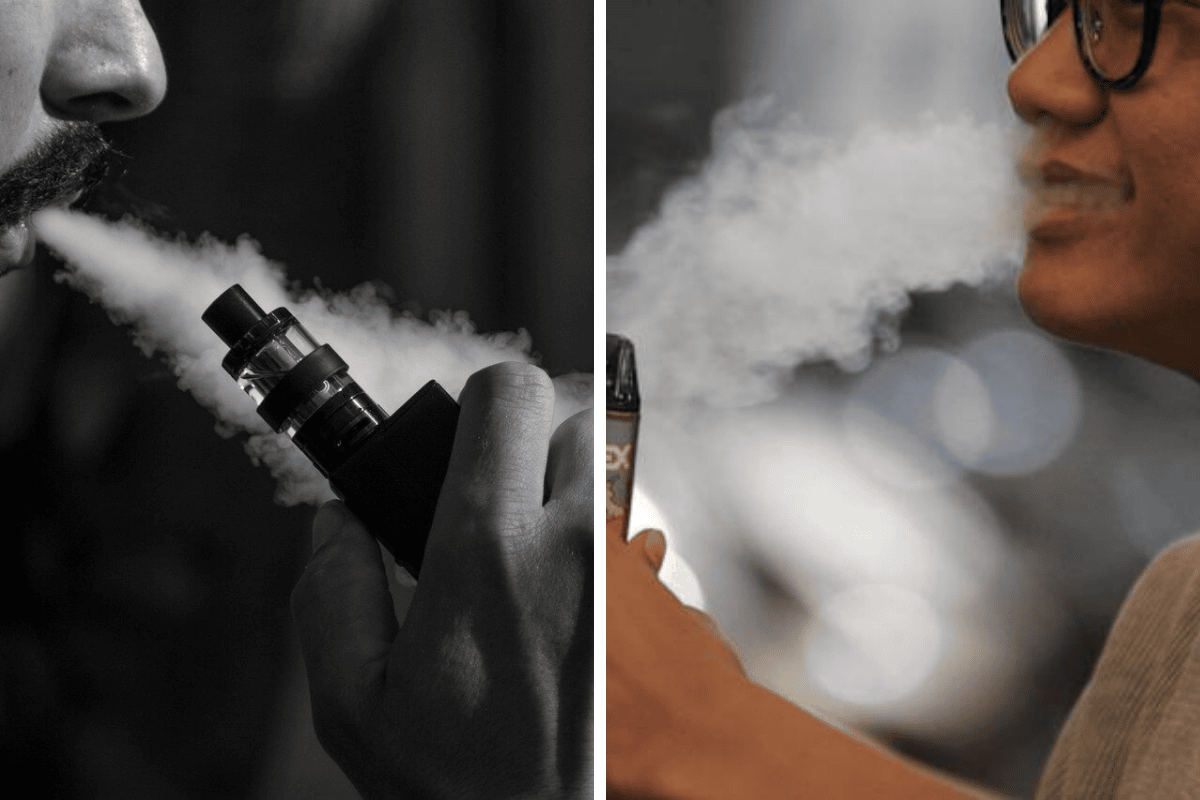
Vaping while driving in Alabama isn’t outright illegal for adults alone, but specific restrictions apply, especially with children present. The law focuses on child safety rather than banning vaping universally in vehicles.
Core Statute
Alabama Code § 32-5A-331 prohibits smoking tobacco products or vaping in an enclosed motor vehicle when a child 14 or younger is present. This applies regardless of motion, windows open or closed, with fines up to $100 per violation as a secondary offense—only enforceable after a primary stop.
The statute defines “vape” as using an electronic nicotine delivery system per § 28-11-2, covering most e-cigarettes. No general ban exists for solo drivers or adults without minors.
Enforcement Details
Violations require a lawful stop for another reason, like speeding, before officers can cite vaping with kids. Effective August 1, 2023, via Act 2023-93, it targets secondhand exposure risks.
Local police, such as Mobile PD, emphasize compliance to protect children, noting no safe exposure level exists. Fines don’t add points to licenses but repeat offenses could escalate scrutiny.
Broader Context
Alabama restricts vaping in other settings, like ambulances or daycares, but vehicles only limit child-related use. Distracted driving laws (§ 32-5A-350) could indirectly apply if vaping impairs control, akin to phone use.
THC vapes face harsher penalties under possession laws, treated as felonies. CBD vaping legality varies; public use risks disorderly conduct charges if disruptive.
Health and Safety Risks
Secondhand vapor exposes kids to nicotine and chemicals, prompting the law. Drivers risk distraction fines if puffing diverts attention, mirroring texting penalties starting at $50.
Even legally, best practices include pulling over; hands-free isn’t mandated for vapes yet. Public health groups advocate total avoidance around youth.
Practical Advice
Without kids, vape freely but safely—avoid if it hinders driving. With minors, step out or abstain to dodge tickets. Challenge citations via traffic court; secondary status aids defenses.
SOURCES:
- https://www.alabamapublichealth.gov/blog/2023/08/nr-07.html
- https://www.publichealthlawcenter.org/resources/us-e-cigarette-regulations-50-state-review/al