A powerful and emotional story has emerged about a former U.S. immigration judge who travelled thousands of miles to reconnect with a family whose life he helped change. His journey highlights not just personal commitment, but also the bigger changes happening in America’s immigration system.
A Judge’s Unusual Journey
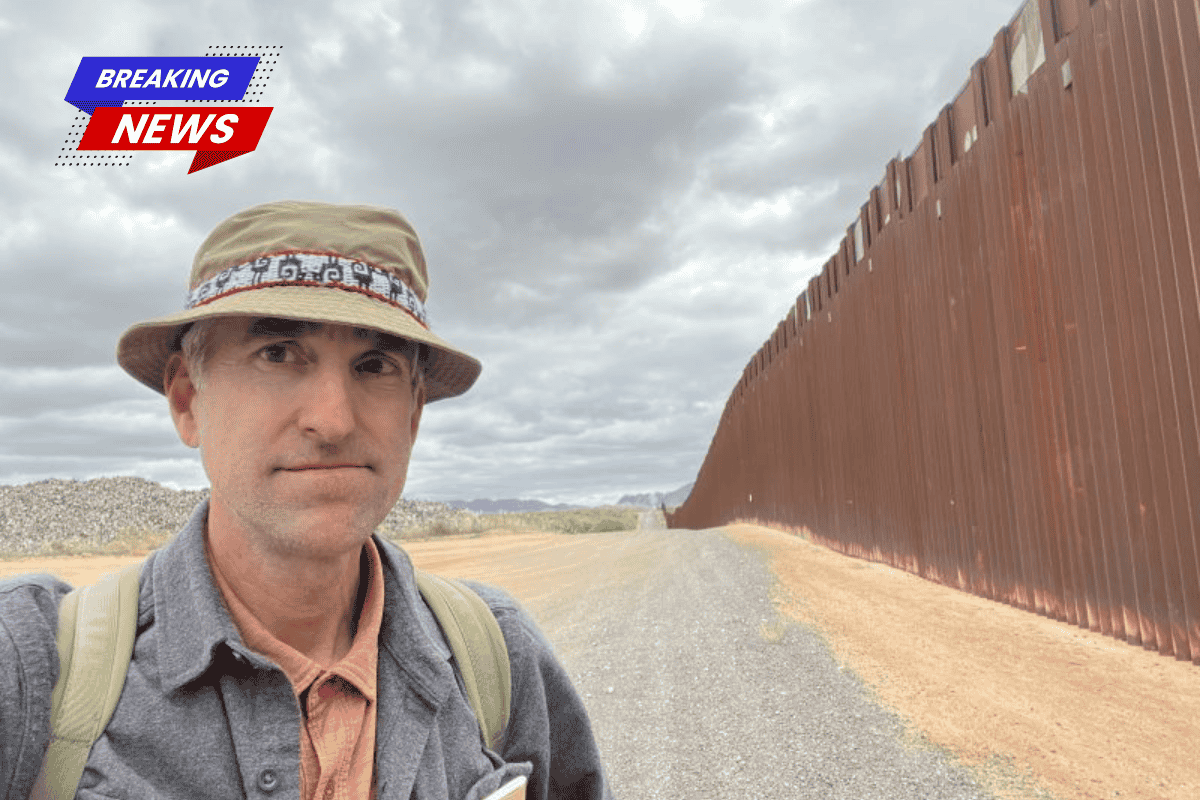
Former immigration judge Jeremiah Johnson made a rare and deeply personal trip to Guatemala after losing his job.
Months after being removed from his position, Johnson travelled to a remote village to meet the family of asylum seekers whose case he had approved in court.
He carried only basic information—no exact address, no phone number—just the family’s name and a determination to find them.
The Case That Stayed With Him
Johnson had spent nearly a decade working in San Francisco, hearing hundreds of asylum cases. Many involved stories of:
- Violence and persecution
- Torture and threats
- Religious or political conflict
One case stood out deeply. It involved a family from an indigenous Mam-speaking Mayan community in Guatemala.
The family had faced brutal violence linked to long-standing ethnic tensions. A dispute over water turned deadly when armed attackers killed a family member and injured others.
Despite seeking help, they were reportedly mocked by local authorities.
Granting Asylum
Johnson ultimately granted asylum to the family, allowing them to stay safely in the United States.
He recalls his final words in court through an interpreter:
- The family had been granted asylum
- The decision was final
- They were now safe from persecution
It was the last case he decided before losing his position.
Why He Was Fired
Johnson believes his high asylum approval rate—around 89%—may have made him a target.
Under the administration of Donald Trump, major changes have been made to immigration courts.
Key developments include:
- Over 100 immigration judges removed or dismissed
- Lower asylum approval rates nationwide
- Closure of major courts, including San Francisco
Officials have argued that some courts showed bias in favour of immigrants.
Changes in the Immigration System
The U.S. immigration system is undergoing major restructuring.
Important points:
- Asylum approval rates have dropped significantly
- A backlog of nearly 3.8 million cases exists
- Courts are being reorganised and relocated
Critics say these changes may affect fairness, while supporters argue they are needed for stricter enforcement.
Finding the Family in Guatemala
Despite the challenges, Johnson successfully found the family’s relatives with the help of a local guide.
When he met them:
- He offered flowers as a gesture of respect
- The family shared their grief and memories
- They showed him the grave of the murdered son
The emotional meeting brought closure to a case that had stayed with him long after leaving the bench.
Why This Story Matters
This story is not just about one judge or one family. It reflects:
- The human side of immigration decisions
- The impact of policy changes on real lives
- The emotional burden carried by those in the system
It also shows how one decision in a courtroom can affect generations.