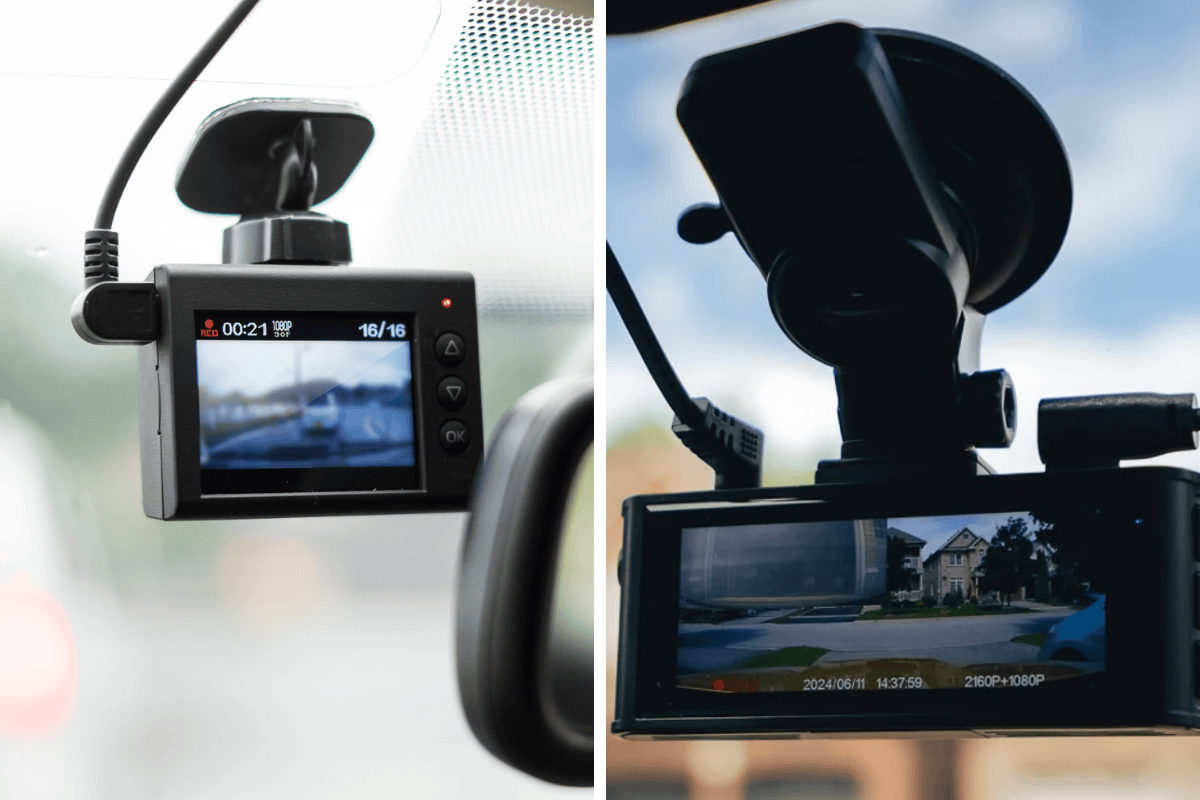
Dash cams are legal in South Carolina, but there are clear rules about where you can mount them and how you can record both inside and outside your vehicle.
The state encourages drivers to document accidents and traffic incidents, as long as the device does not impair visibility or violate privacy and evidence‑preservation laws. Knowing these rules helps you avoid unnecessary tickets while still protecting yourself in a crash or dispute.
Are dash cams allowed in South Carolina
South Carolina explicitly permits drivers to use dash cams and treats them as a legitimate way to record traffic encounters and collisions.
Courts and legal commentary in the state recognize that rightly placed dash‑cam footage can be vital evidence in personal‑injury and insurance cases, showing who was at fault, whether traffic signals were obeyed, and how an impact occurred. However, that permission is not unlimited: placement and audio recording must still comply with vehicle safety and privacy statutes.
Windshield versus dashboard mounting
The most important restriction in South Carolina concerns how and where you mount the device. State law prohibits items on the windshield that obstruct the driver’s clear view of the road, which effectively means dash cams cannot be attached to the windshield or any side window if they block line‑of‑sight.
Instead, South Carolina requires dash cams to be mounted on the dashboard, where they can still capture the road ahead without blocking the driver’s view.
This rule aligns with South Carolina’s broader distracted‑driving and vehicle‑safety standards, which aim to keep the windshield as uncluttered as possible. Many dash‑cam manufacturers now offer models specifically designed for dashboard‑only installation, with small lenses and low profiles that stay out of the driver’s line of sight.
Even if a unit is tiny, if it creates a visual obstruction when viewed through the windshield, it can still draw scrutiny from law enforcement.
Audio recording and one‑party consent
South Carolina is a one‑party consent state for audio recording, which means that anyone inside the vehicle can legally capture conversations and sounds without informing others.
Under this rule, a dash cam that records audio through the vehicle’s cabin does not need permission from passengers, other drivers, or emergency responders; the driver’s consent is enough. This also applies when using the footage later in court or in insurance negotiations, as long as the recording was made legally and not edited to misrepresent events.
However, this protection only goes so far. If footage shows the driver engaging in unsafe behavior—such as speeding, distracted driving, or violating traffic laws—opposing parties can subpoena the video and use it against the owner. Once a court or opposing counsel validly requests the footage, it becomes illegal to destroy or tamper with the file, and doing so can trigger sanctions or criminal obstruction charges.
Using dash‑cam evidence after a crash
In South Carolina car‑accident cases, properly mounted dash‑cam recordings are generally admissible as evidence if they are clear, unedited, and relevant to what happened. Personal‑injury and insurance‑law firms routinely advise clients to preserve dash‑cam data after an incident, especially where liability is disputed or the other driver is uninsured or underinsured.
At the same time, drivers should be aware that footage can support not only their own claim but also the other side’s case if it reveals any fault on their part.
For drivers entering South Carolina from other states, the dashboard‑only mounting rule is the key difference to remember. If you normally mount your dash cam on the windshield, you should reinstall it on the dashboard before driving in the state to stay compliant.
Overall, South Carolina’s dash‑cam framework is fairly driver‑friendly as long as you respect visibility rules, understand one‑party consent, and treat the footage as both protection and potential liability.
SOURCES:
- https://www.goingslawfirm.com/blog/dash-cam-and-traffic-camera-laws-in-south-carolina/
- https://www.ddpai.com/blog/dash-cam-laws/