Rising tensions in the Middle East are now affecting fuel prices in the United States, and leaders in Washington are not fully agreeing on what comes next. Conflicting views from top officials have created uncertainty about when Americans might see relief at the pump.
Trump Disagrees with Energy Secretary
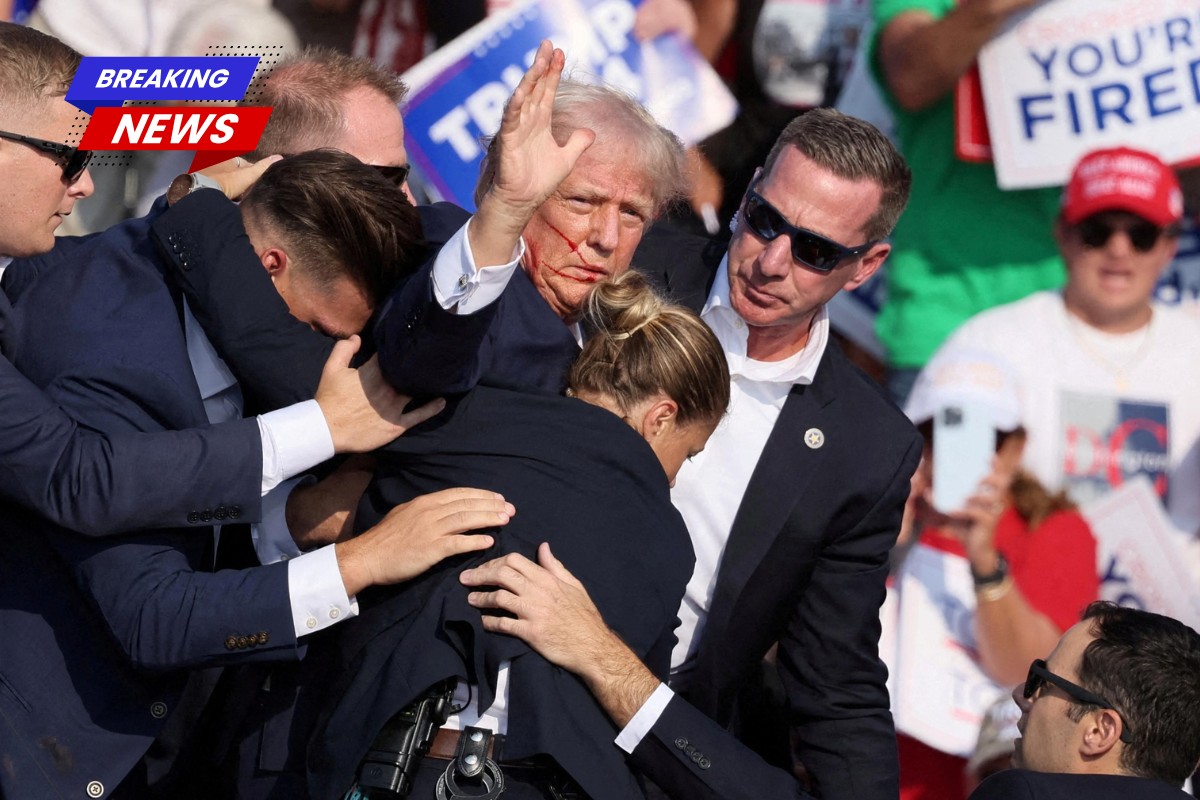
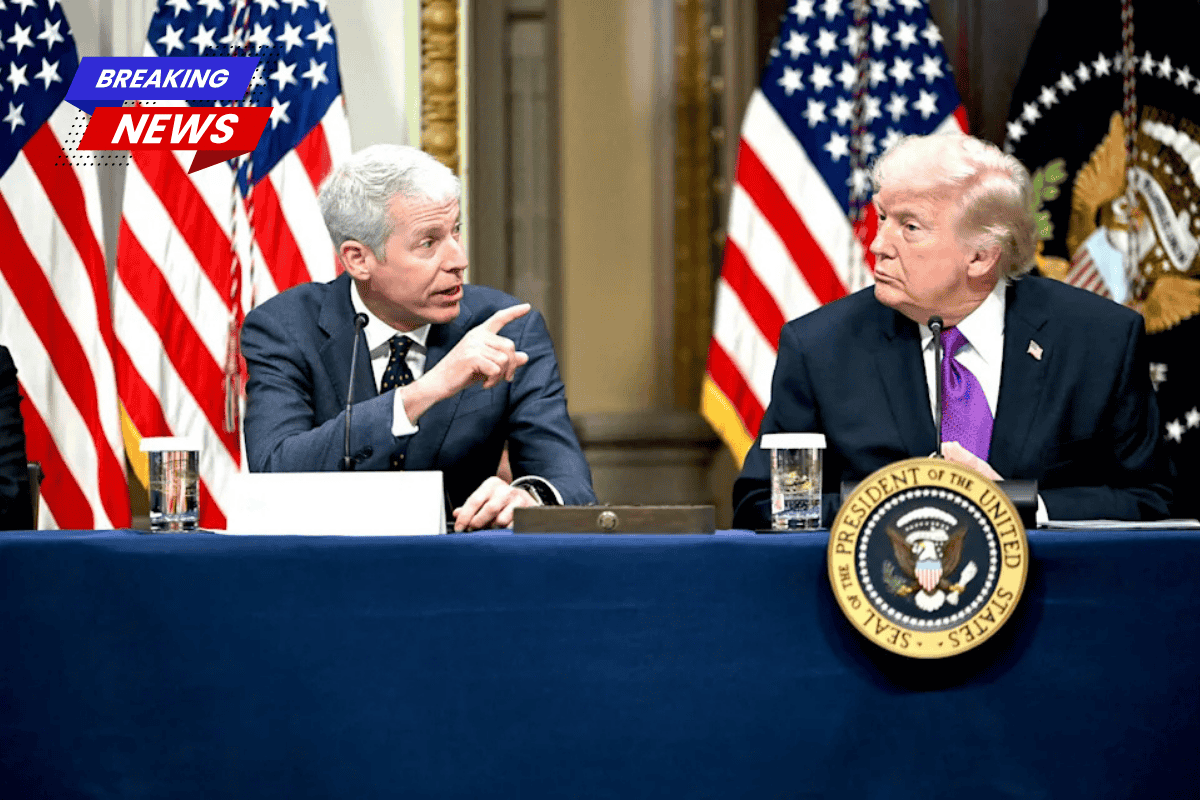
Donald Trump said he strongly disagrees with Chris Wright over gas price predictions. Wright had suggested that prices may not fall below $3 per gallon until next year.
Trump rejected that idea completely, saying Wright is “totally wrong.” When asked when prices might drop, Trump said it could happen “as soon as this ends,” referring to the ongoing conflict involving Iran.
Different Views Within the Administration
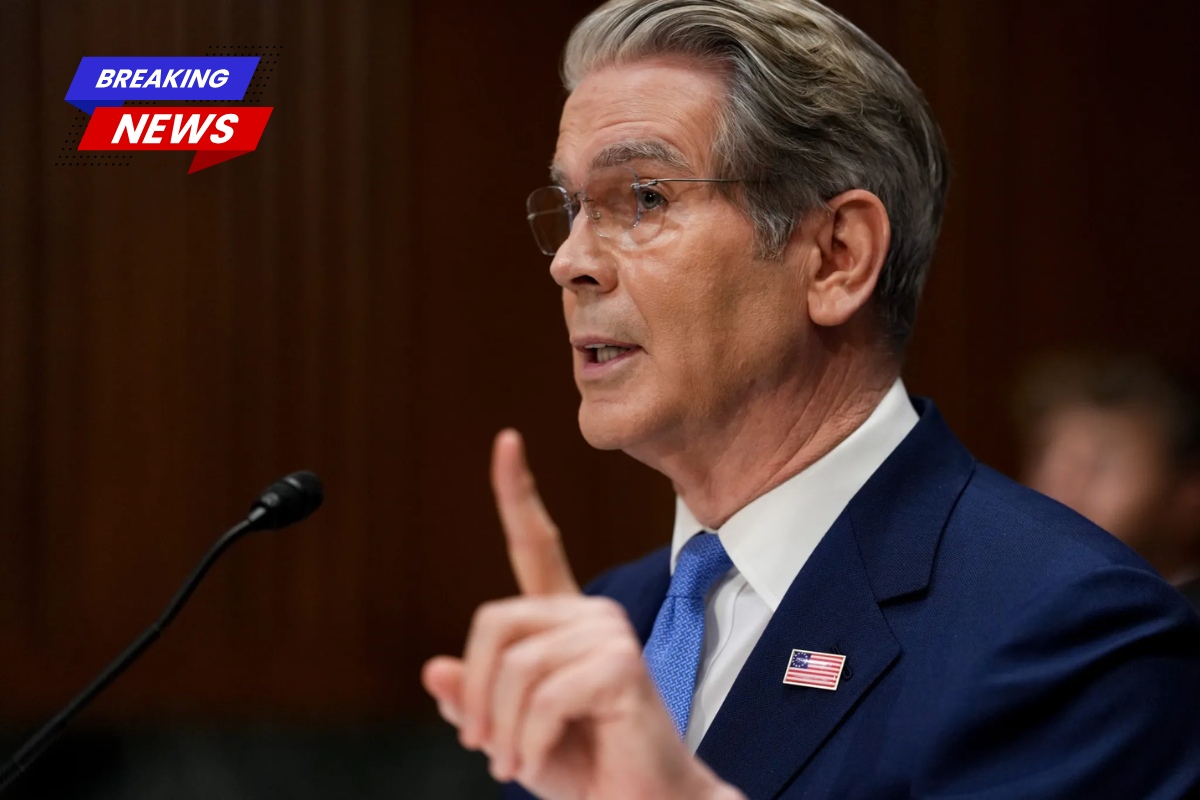
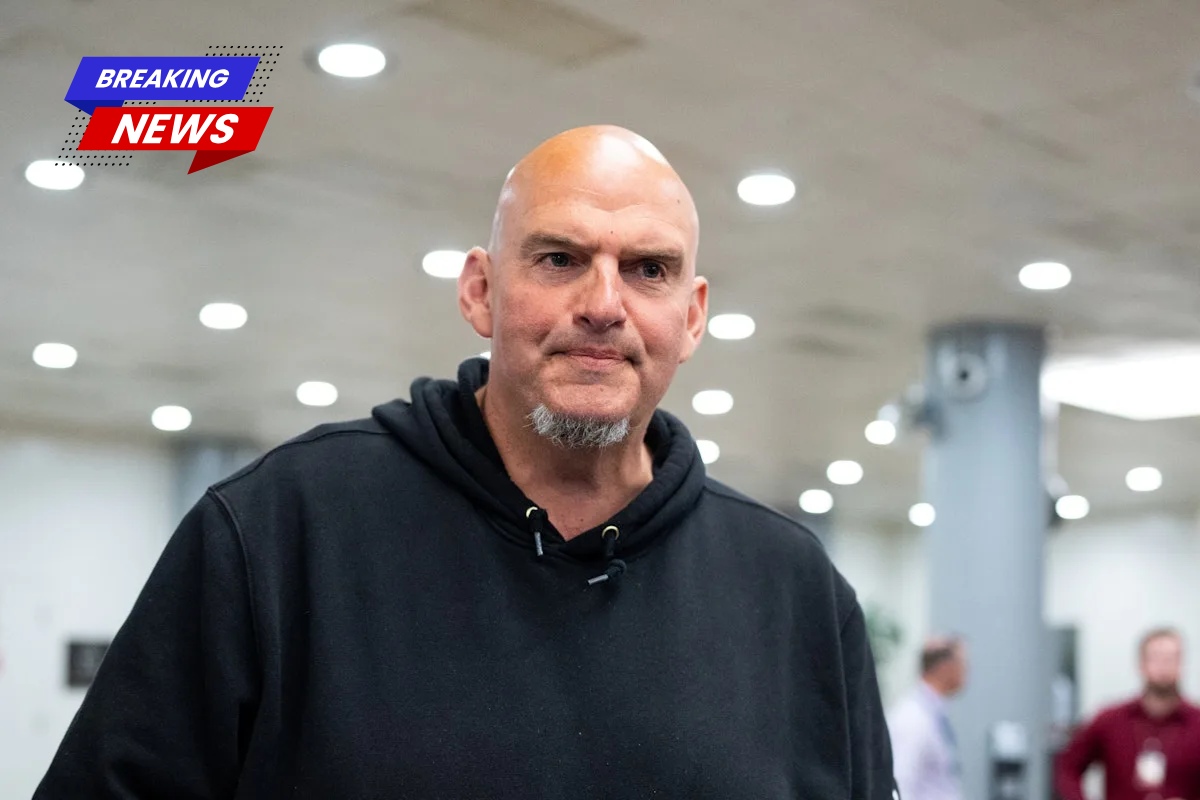
Wright told CNN that while prices might drop later this year, it is also possible that it could take until next year. He added that prices have likely already peaked and should begin to decline.
At the same time, Scott Bessent offered a more optimistic outlook, saying gas prices could fall to around $3 per gallon as early as this summer.
These mixed signals show that even within the administration, there is no clear agreement on when prices will come down.
Impact of Iran Conflict on Oil Prices
The situation is heavily influenced by tensions with Iran, especially in the Strait of Hormuz, a key global shipping route for oil.
Restrictions on shipping in this area have disrupted supply, causing oil prices to rise. Gas prices in the US have already crossed $4 per gallon for the first time since 2022.
According to AAA, the national average stood at $4 on Monday morning.
Oil Market Reactions
Oil markets reacted strongly after the US seized an Iranian vessel near the Strait of Hormuz. Prices increased further following the incident.
Brent crude, the global oil benchmark, rose to about $94 per barrel, while West Texas Intermediate, the US benchmark, reached around $88 per barrel.
US Blockade and Global Tensions
The US has also enforced a blockade on Iranian ports, which is adding pressure to the situation. Trump claimed that Iran is losing about $500 million per day because of the blockade.
Reports suggested that Pakistan’s army chief advised Trump that the blockade could be a barrier to negotiations. However, Trump denied receiving such a recommendation.
Diplomatic Efforts Continue
Vice President JD Vance is expected to lead a US delegation to Islamabad for talks with Pakistani and Iranian officials.
However, Iran has said that no final decision has been made about participating in these discussions, leaving the future of negotiations uncertain.