Dash cams are legal in Colorado, but the device must be mounted so it does not obstruct the driver’s view or create distracting glare. Colorado law focuses more on safe placement and visibility than on banning dash cams outright.
Legal status
Colorado does not have a statewide law that specifically prohibits dash cams. Instead, general vehicle rules apply, especially those that prohibit windshield obstructions and reflective materials that can interfere with driving.
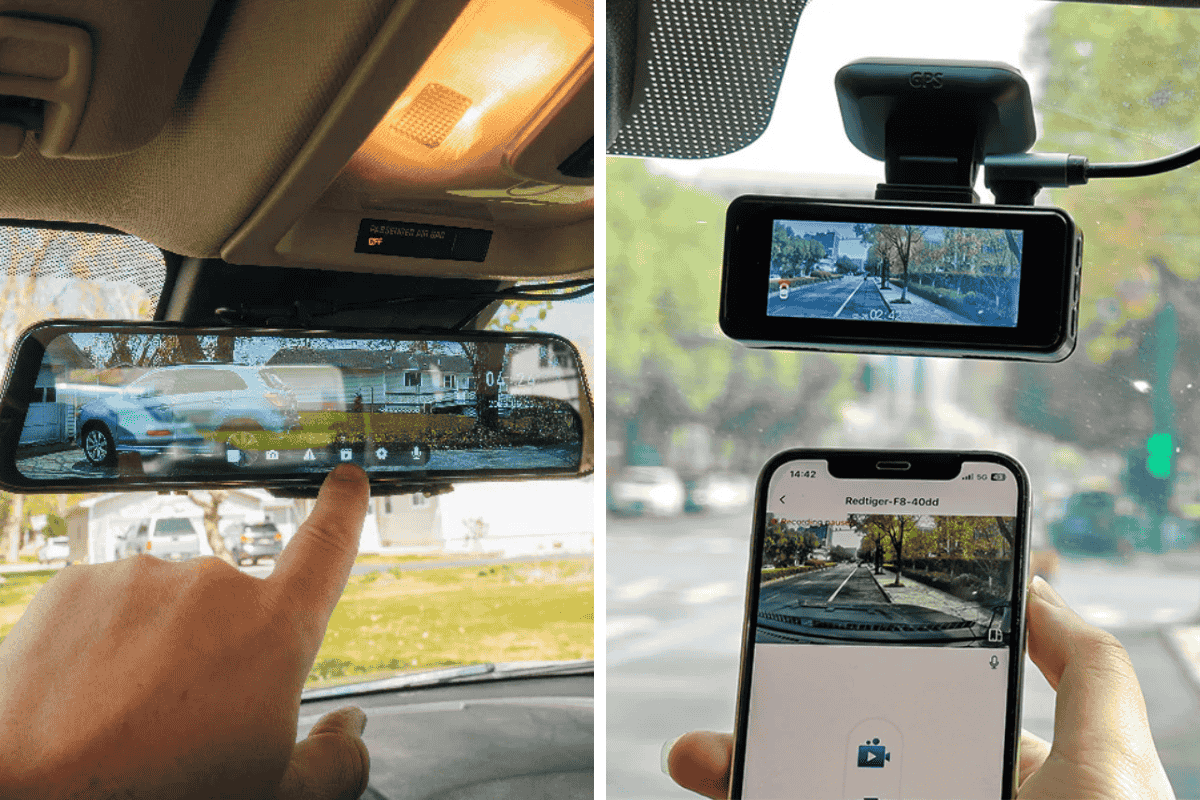
For most drivers, this means a dash cam is acceptable if it is installed in a way that keeps the windshield and road view clear. Mounting it behind the rearview mirror or near the top center of the windshield is commonly described as a safer placement.
Placement rules
The biggest legal risk is not the camera itself but where it is placed. If the dash cam blocks part of the windshield or interferes with the driver’s line of sight, it could violate Colorado traffic rules about obstructions.
Some sources also note that reflective casings or glare-producing surfaces can create problems under Colorado’s windshield regulations. That is why non-reflective mounts and compact designs are usually recommended.
Local ordinances
Drivers should also pay attention to city-specific rules, especially in Denver. Denver ordinances require the driver’s vision through the windshield and windows to remain “normal and unobstructed,” which can make poor dash cam placement a citation issue even if the device is otherwise legal statewide.
This means a setup that seems acceptable on a state level may still be problematic in certain municipalities. If you drive across different Colorado cities, the safest approach is to use a low-profile mount that stays out of the driver’s direct view.
Audio recording and privacy
Dash cam video is generally usable as evidence in Colorado if it was recorded lawfully and meets normal evidence rules. However, audio recording can raise privacy issues, and Colorado’s wiretapping and consent rules may apply if the camera records private conversations.
A practical rule is to avoid secretly recording conversations inside the vehicle unless you understand the consent standard that applies. This matters more in rideshare, commercial, or multi-passenger situations where people may reasonably expect privacy.
Police and evidence
Police generally do not have a reason to confiscate a legal dash cam during a routine traffic stop. That said, footage may still be requested, subpoenaed, or used in an accident investigation or court case.
If you are in a crash, do not delete or alter the footage. Preserving the original file is important because it can support an insurance claim, establish fault, or become evidence in litigation.
Safe compliance tips
Use a compact, non-reflective dash cam. Mount it behind the rearview mirror or high on the windshield so it does not interfere with your view.
SOURCES:
- https://www.mintzlawfirm.com/what-are-colorados-dash-cam-laws/
- https://frontrangefirm.com/colorado-dash-cam-laws/