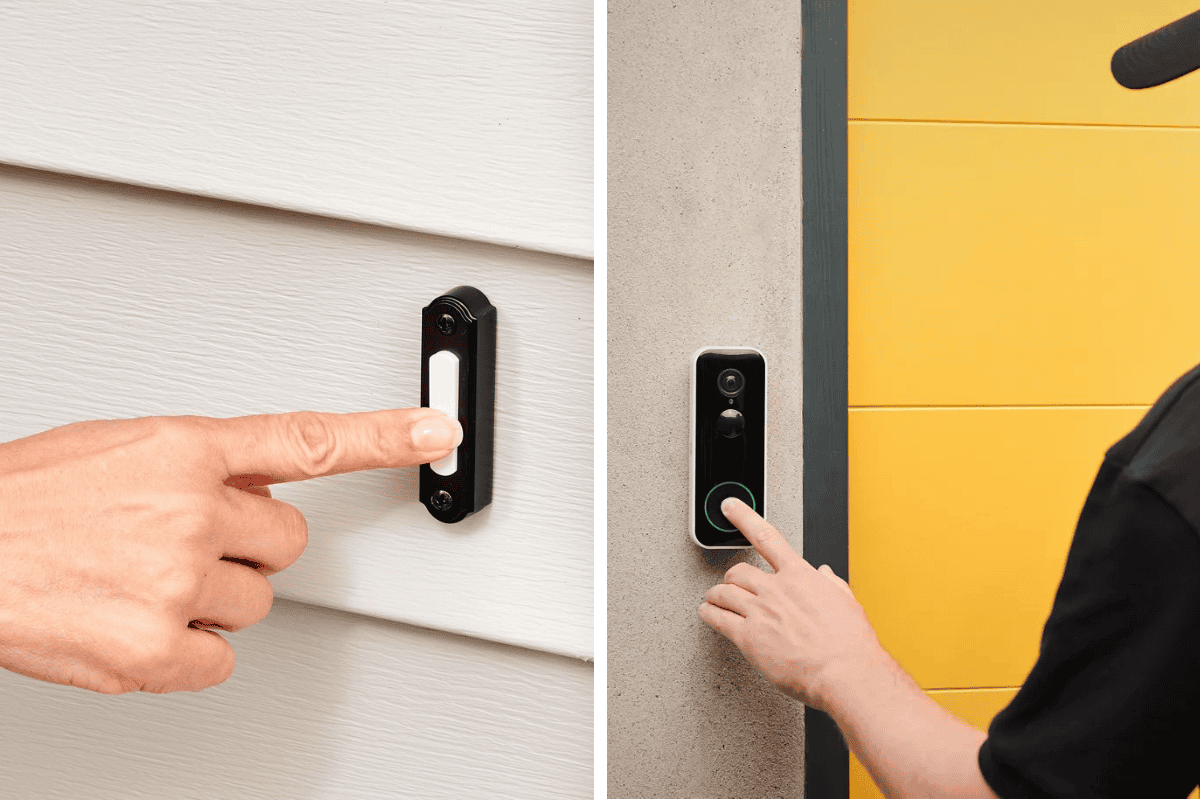
Yes, ding dong ditch can be illegal in Colorado, even though there is no statute that names the prank specifically. The behavior can fit Colorado’s trespass and, in some cases, criminal mischief laws if someone enters property without permission or causes damage.
What Law Applies
Colorado’s trespass laws make it a crime to unlawfully enter or remain on another person’s property. The state’s second-degree trespass law covers entering enclosed or fenced premises without permission, while first-degree trespass applies to unlawful entry into a dwelling. A quick doorbell prank may sound minor, but if the person steps onto private property to do it, that can create legal risk.
Criminal mischief is another possible charge if the prank leads to damage, such as a broken doorbell, damaged screen door, or other property harm. Colorado law says a person commits criminal mischief when they knowingly damage the real or personal property of another person, and the penalty depends on the amount of damage.
Possible Penalties
The consequences depend on the facts. For second-degree trespass, Colorado law allows penalties that can range from a petty offense to a class 2 misdemeanor or higher in certain situations, depending on the type of property involved. Criminal mischief can be a petty offense if the damage is under $300, then becomes more serious as the damage amount rises.
That means a one-time prank might not always lead to an arrest, but repeated behavior, trespassing onto enclosed property, or any damage can turn a childish joke into a criminal matter. If the homeowner calls police, the outcome may also depend on whether the prank caused fear, disruption, or a confrontation.
Why It Can Escalate
Ding dong ditch often happens near front doors, porches, and walkways, which are usually part of private property. If the prankster ignores posted warnings, enters a fenced yard, or returns after being told not to come back, the legal exposure grows quickly under Colorado trespass rules. If the prank startles a homeowner and leads to an accident or property breakage, other charges may also come into play.
The safest reading of Colorado law is simple: a prank that involves stepping onto someone else’s property without permission is not risk-free. Even if a prosecutor treats a first incident lightly, the conduct can still qualify as unlawful.
Safer Alternative
If you want a clean rule to follow, don’t ring and run on private property. The same joke that seems harmless to a prankster can be viewed as trespassing or harassment by the person on the receiving end.
SOURCES:
- https://law.justia.com/codes/colorado/title-18/article-4/part-5/
- https://law.justia.com/codes/colorado/title-18/article-4/part-5/section-18-4-503/