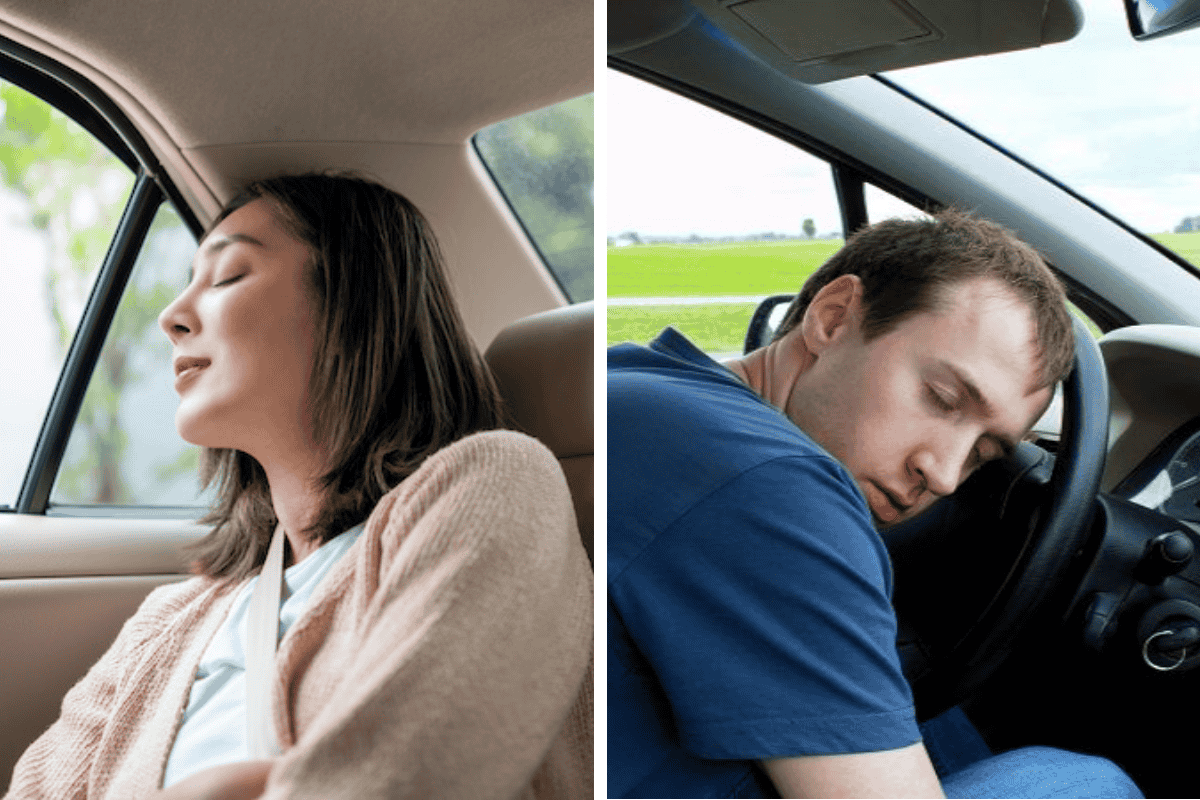
Car sleeping is generally legal in Utah, with no statewide ban, but local ordinances and location dictate compliance. Travelers and van-lifers must prioritize rest areas, BLM land, and private permissions to avoid citations.
Statewide Legal Status
Utah Code lacks a blanket prohibition on sleeping in vehicles, classifying it as permissible if not constituting camping or trespass. Physical control while intoxicated risks DUI charges under § 41-6a-502, even asleep. Enforcement hinges on municipal rules, not state fiat.
Rest Areas and Highways
UDOT rest areas allow up to 8-hour naps to combat fatigue, distinguishing rest from recreational camping. Overnight stays occur discreetly, but no tents or setups; move on post-sleep. Highway shoulders ban parking.
Public Lands and BLM
BLM-managed areas—abundant in southern Utah—permit dispersed car camping up to 14 days in 28, staying 300 feet from roads/water in some offices. Check field maps for cryptobiotic soil and fire bans; no-trace principles apply.
City and Private Restrictions
Salt Lake City eyes 2026 bans on street-side car living amid homelessness concerns. St. George outlaws vehicle sleeping outright. Private lots (Walmart, truck stops) vary—ask permission; signs trump assumptions. Parks often prohibit overnight stays.
Penalties and Risks
Violations yield infractions ($50-$750 fines) or Class B misdemeanors via trespass (§ 76-6-201) or camping ordinances. Repeat offenses escalate to towing or arrests. Safety trumps: lock up, park discreetly, avoid isolation.
Safe Practices
Signal intent with window covers, engine off; use apps like iOverlander for spots. Carry permits for national forests; respect 14-day limits. For long-term, seek designated sites over streets.
SOURCES:
- https://sportsradio977.com/is-it-illegal-to-sleep-in-your-car-in-utah/
- https://collincountymagazine.com/2025/08/17/the-legality-of-car-sleeping-in-utah-what-you-need-to-know/