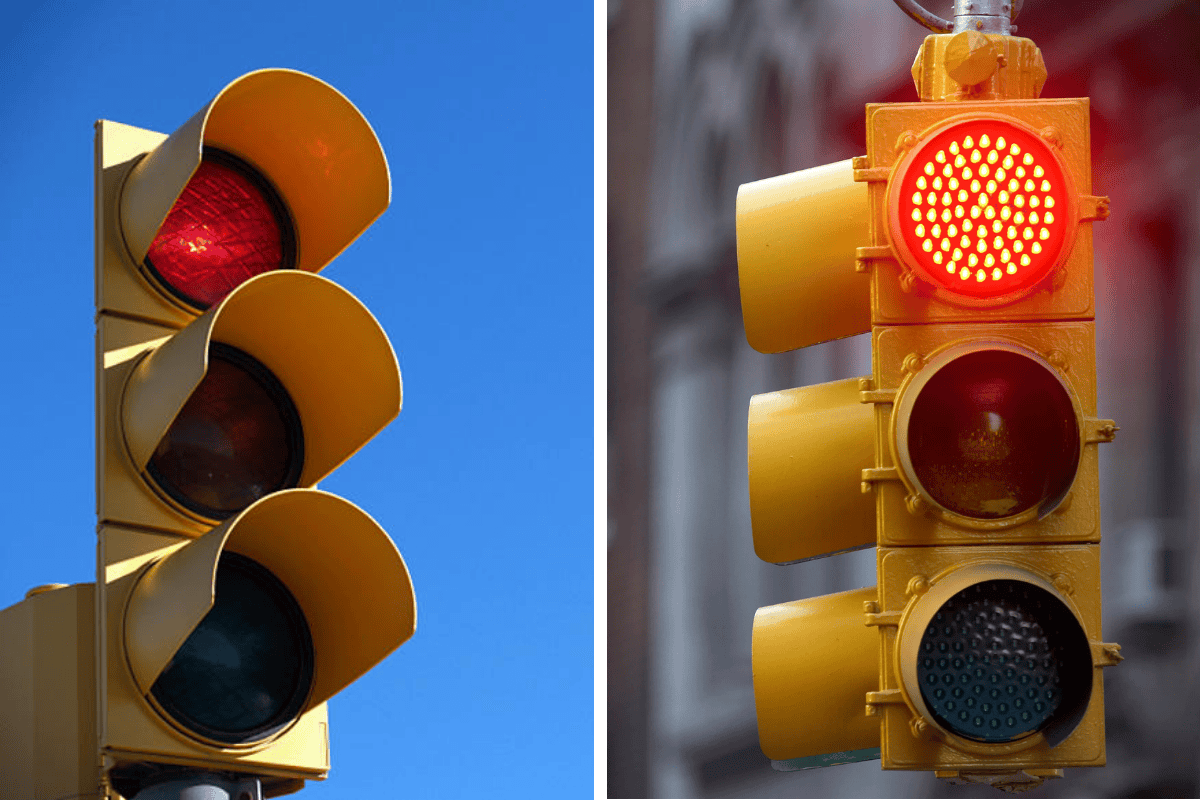
Alabama’s right turn on red rule remains standard in 2026: legal after a full stop unless a “No Turn on Red” sign prohibits it. No major updates have changed this core traffic law, emphasizing safety through yielding to pedestrians and oncoming traffic.
Core Right Turn Rule
Drivers in Alabama may turn right at a red light after coming to a complete stop at the stop line or crosswalk. You must yield to all cross traffic, pedestrians, and cyclists before proceeding, ensuring the turn is safe.
This follows Alabama Code § 32-5A-133 on turning movements, requiring signals and reasonable safety. The rule, introduced nationwide in the 1970s for fuel efficiency, prioritizes flow without compromising caution.
When It’s Prohibited
Look for posted signs saying “No Turn on Red”—these override the default permission at high-risk spots like busy pedestrian areas or low-visibility intersections. Municipalities like Birmingham or Mobile often place them where needed.
Ignoring a sign leads to a traffic citation, typically a moving violation with fines around $100-$200 plus points on your license. Always scan for signage first.
2026 Update Status
As of 2026, no legislative changes have altered Alabama’s right-on-red policy—it’s confirmed legal statewide with the same conditions. Pending bills occasionally propose restrictions for safety, but none passed this year.
Neighboring states like Georgia and Tennessee mirror Alabama’s approach, allowing it post-stop unless signed otherwise. This consistency aids interstate drivers.
Safety Best Practices
Before turning:
- Stop fully and check mirrors for cyclists on your right.
- Look left for straight-through traffic or left-turners from opposite lanes.
- Scan for pedestrians, even if their signal is red—yield priority.
- Signal early and proceed only when clear.
Extra vigilance at multi-lane intersections prevents common crashes, which often involve overlooked pedestrians or speeding cross-traffic.
Common Violations
Failing to stop completely or yield properly tops citations, per traffic enforcement data. Roll-throughs or ignoring signs draw tickets, escalating to reckless driving if causing harm.
In accidents, right-on-red maneuvers account for notable collisions—insurance data shows yielding errors as a key factor. Defensive driving courses stress double-checks.
Regional Differences
While statewide rules apply uniformly, cities may add signs at problem spots—Pell City intersections sometimes spark debates, but the law holds. Rural areas rarely prohibit it, prioritizing flow.
For trucks or large vehicles, extra caution applies due to blind spots—commercial drivers follow the same rule but with heightened FMCSA scrutiny.
Driver Responsibilities
Mastering this rule boosts efficiency: it cuts idling, saves fuel, and eases congestion at signals. Yet, responsibility lies with the turner—err on caution if unsure.
SOURCES:
- https://law-injury.com/blog/other-legal-faqs/can-you-turn-right-on-red-in-alabama/
- https://law.justia.com/codes/alabama/title-32/chapter-5a/article-6/section-32-5a-133/