Following the shooting at the White House Correspondents’ Dinner on April 26, where alleged shooter Cole Allen fired multiple rounds at the Washington Hilton, analysts have raised concerns about a “more sinister” underlying trend in the political response to the incident.
Details of the Incident
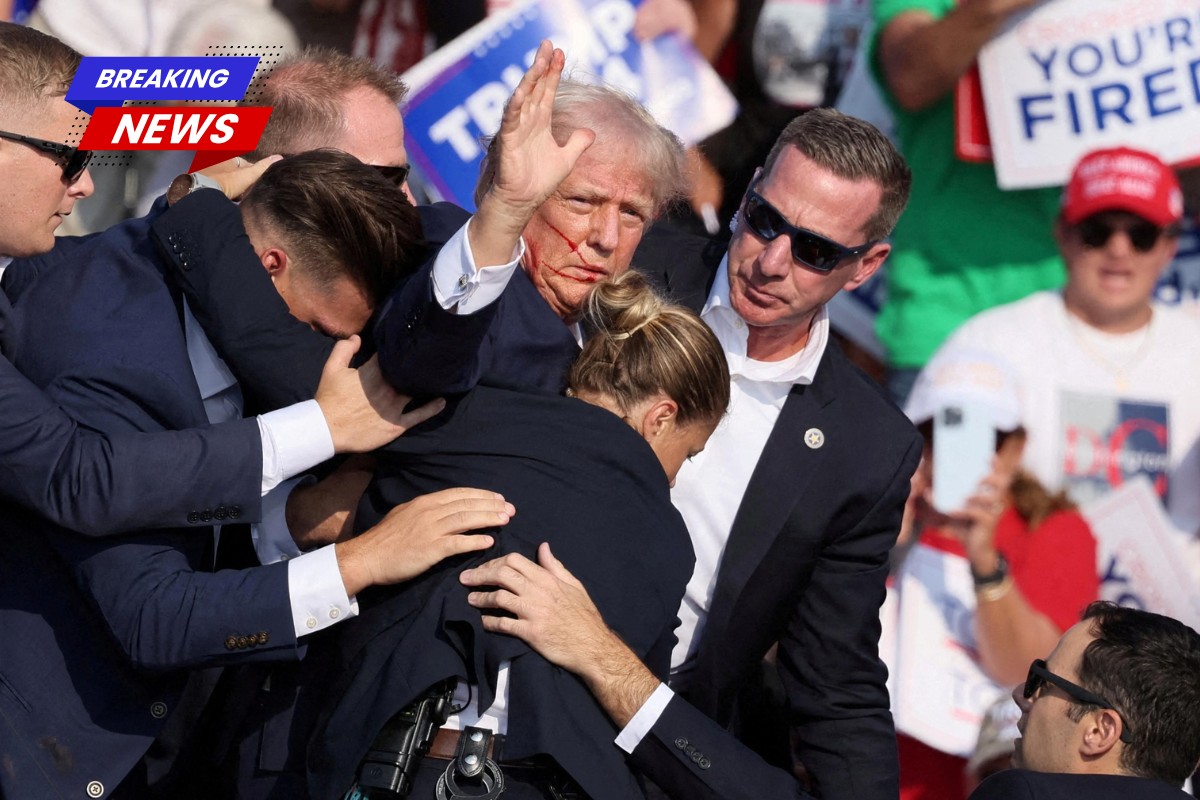
Cole Allen, the alleged shooter, reportedly fired several rounds inside the hotel, striking a Secret Service agent in the agent’s bulletproof vest. Fortunately, the agent survived, and no one else was killed. The shooter was quickly apprehended by authorities. Attendees, including President Donald Trump and other cabinet officials, were swiftly evacuated.
The Conspiracy Theory Debate
Molly Olmstead, a staff writer at Slate, argued that the immediate rush by certain individuals on both the political left and right to label the incident as “staged” reflects the deepening entrenchment of conspiracy theories in modern politics.
Despite overwhelming evidence suggesting that the attack was politically motivated, Olmstead highlighted that some were quick to push alternative narratives.
She pointed to Allen’s previous donations to Kamala Harris’ 2024 presidential campaign and a manifesto he allegedly left behind as evidence that the shooting appeared to be a politically charged assassination attempt against President Trump and his administration. “Those signposts seemingly paint a straightforward picture of this attack as a politically motivated assassination attempt,” Olmstead wrote.
The Rise of Conspiratorial Thinking as a Political Movement
Olmstead expressed concern that political movements may begin to form around specific conspiracy theories, regardless of political affiliation. She noted that the rise of conspiracy-driven ideologies—often facilitated by online communities—has created a new kind of political movement that transcends traditional partisan lines.
“We have reached a point at which conspiratorial thinking in itself is its own kind of political movement—one that often exists outside traditional partisan lines,” Olmstead argued. She pointed out the emergence of both MAGA conspiracy theorists and BlueAnon accounts, each pushing their own narrative of malevolent plots by the opposing side.
According to Olmstead, this trend illustrates how pervasive “question-everything” thinking has become in the internet age, even prompting former political allies to betray one another in the pursuit of these alternative realities.
A Growing Concern
The debate over the shooting has only intensified the broader concern that political discourse is becoming increasingly polarized by conspiratorial thinking. As the country grapples with this tragic event, many are left questioning the future of political dialogue and whether rational conversation can overcome the rising tide of misinformation.