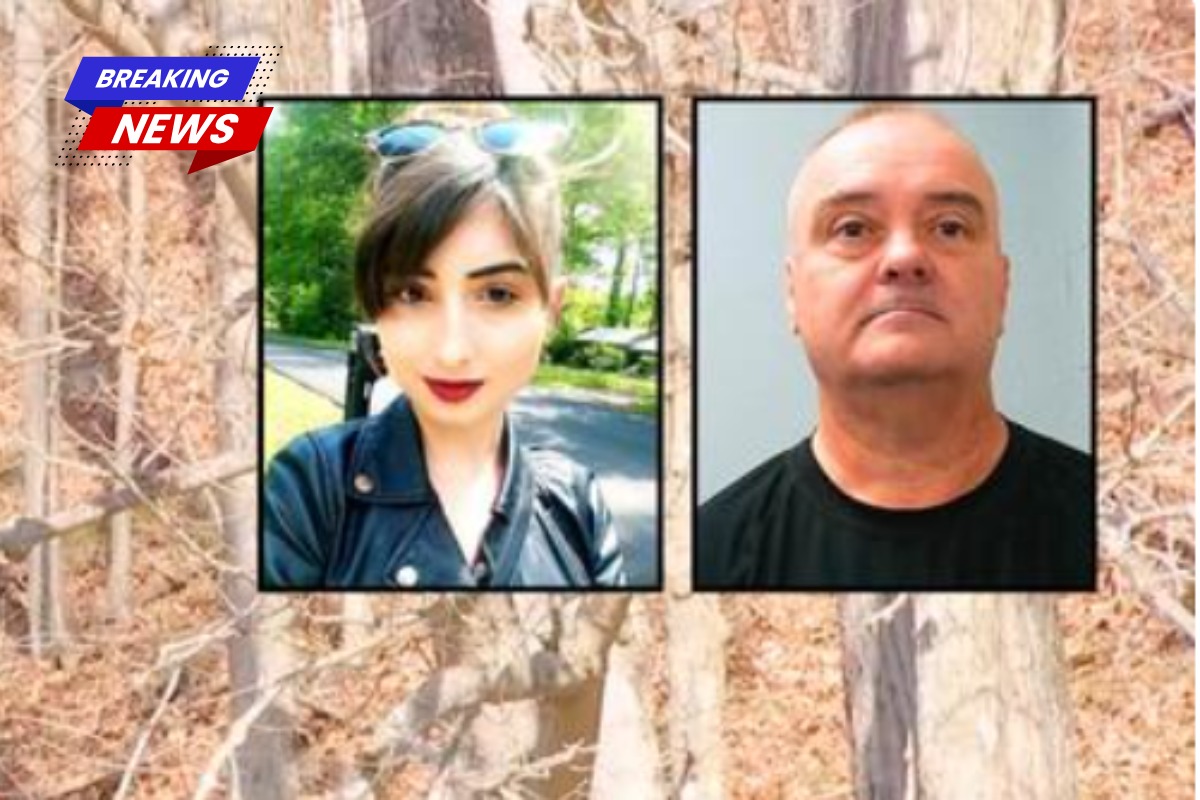
A disturbing case from Florida has drawn widespread attention after investigators revealed that a man accused of killing his roommate and a friend had allegedly used AI tools to ask unusual and worrying questions before the incident. The case involves two young doctoral students whose sudden disappearance led to a major police investigation filled with shocking details.
What Happened to Zamil Limon and Nahida Bristy?
Zamil Limon and Nahida Bristy, both 27 years old, were reported missing on April 16. Their disappearance raised immediate concern among family, friends, and authorities. Police soon began a large-scale search to locate them.
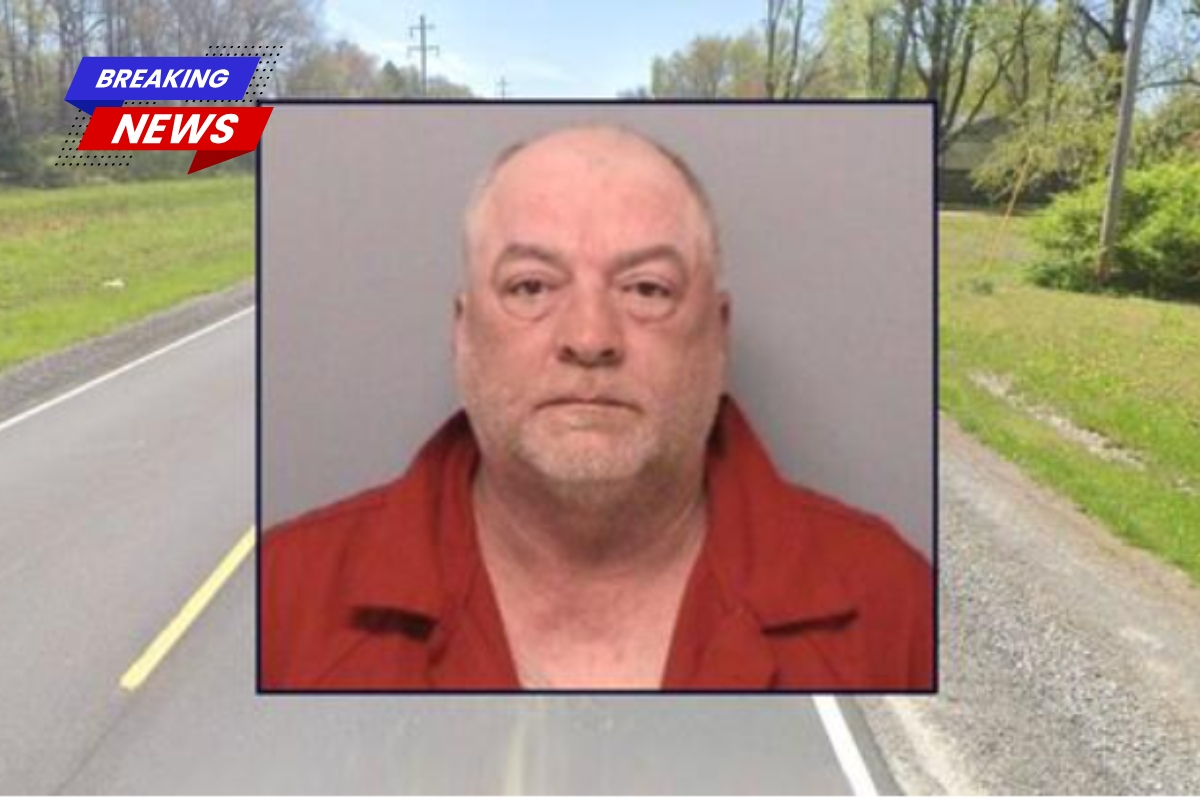
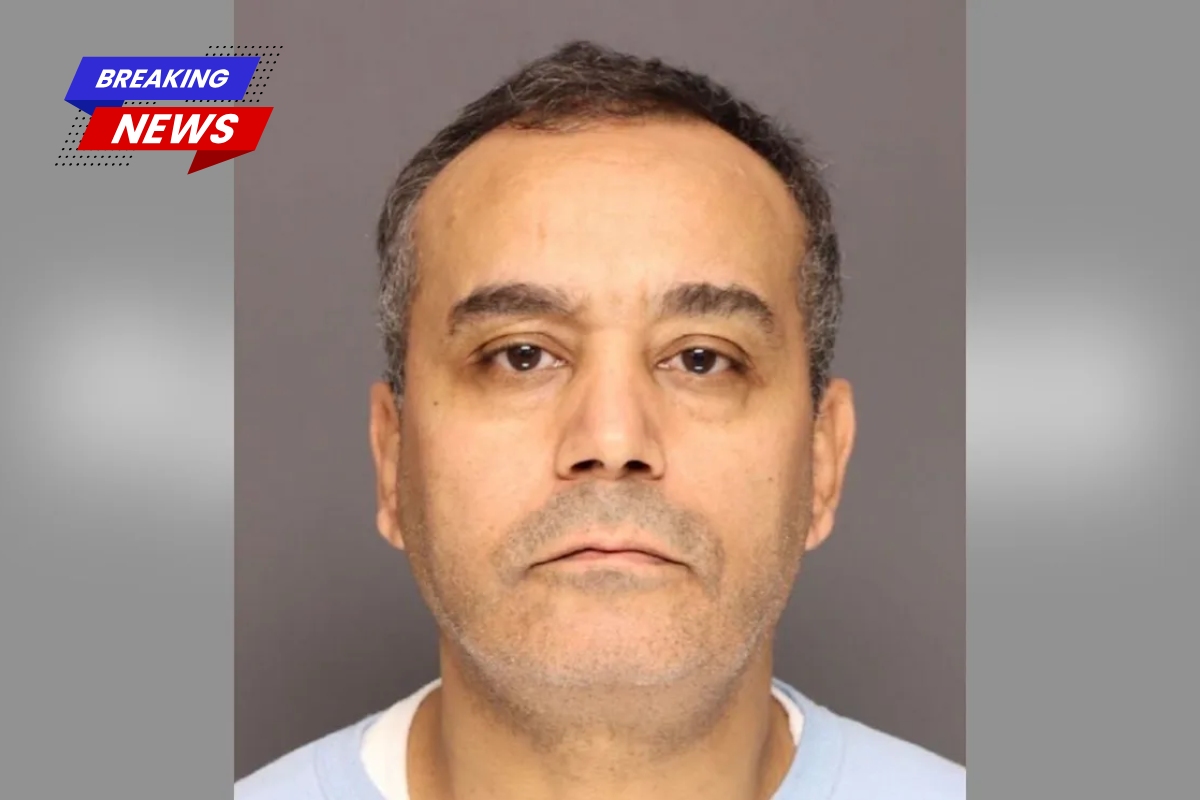
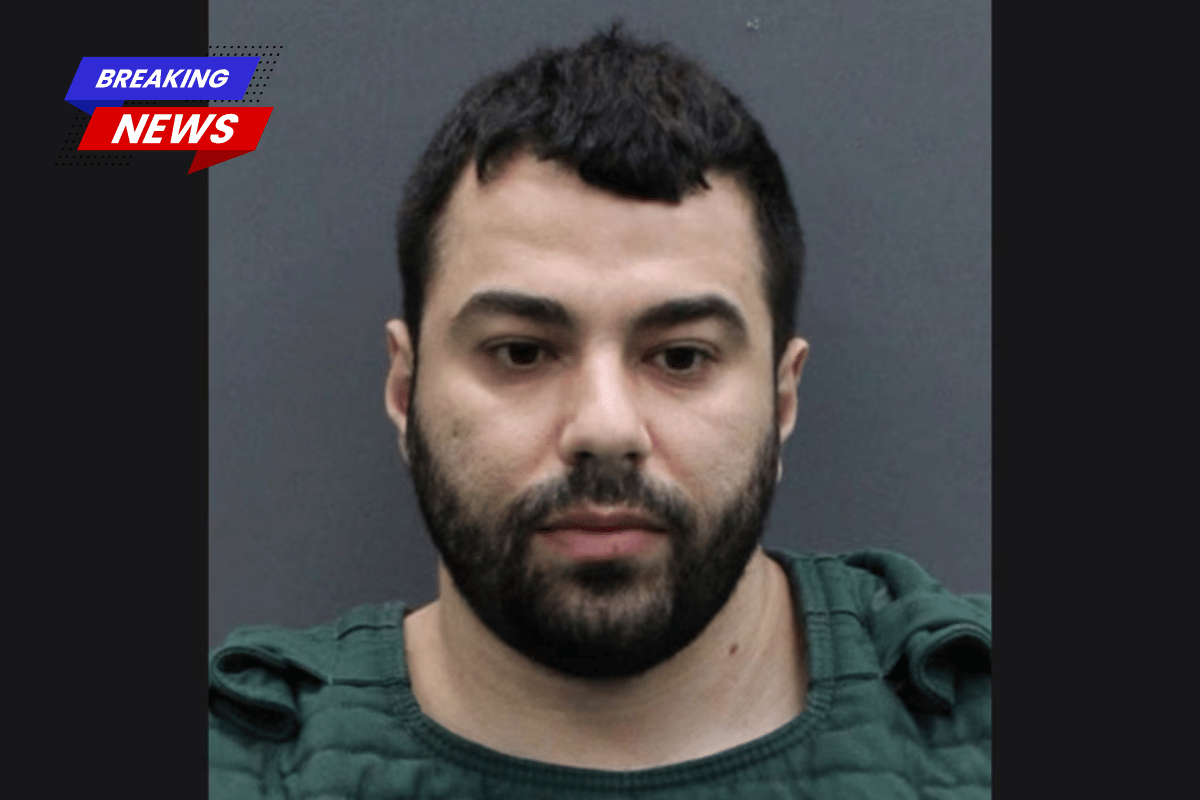
After several days, Hisham Abugharbieh was identified as a person of interest in the case. He was taken into custody on April 24 after a standoff with law enforcement officers in Hillsborough County.
On the same day, the body of Limon was discovered near the Howard Frankland Bridge. Reports suggested that he had suffered multiple stab wounds. A few days later, another set of human remains was found in nearby waterways, but officials have not yet confirmed whether those remains belong to Bristy. Authorities have limited the information they are sharing to protect the investigation.
Suspicious ChatGPT Searches Raise Questions
As the investigation moved forward, police uncovered troubling activity on the suspect’s phone. According to reports, Abugharbieh had used ChatGPT just days before the victims went missing.
The searches reportedly included questions about disposing of a human body and how someone might avoid getting caught. He also asked about changing a car’s VIN number and whether it is legal to keep a gun at home without a licence. After the victims disappeared, further searches were made, including questions about surviving a gunshot to the head and whether neighbours could hear a gun being fired.
These searches are now considered an important part of the investigation, as they suggest possible planning or concern about evidence.
Evidence Found During Investigation
Investigators found several pieces of evidence that strengthened their case. A receipt for items like trash bags, cleaning supplies, and air fresheners was discovered in a dumpster. Although the suspect denied buying these items, a matching DoorDash order was found on his phone.
Authorities also recovered duct tape that tested positive for blood. Personal belongings of the victims, including a phone case, wallet, and glasses, were found in a trash compactor. Inside the apartment, police discovered blood-stained items and missing household objects, including a kitchen mat.

In the suspect’s bedroom, forensic testing revealed two large areas on the carpet that tested positive for blood. Investigators described these as “human-sized,” which added to their concerns.
Statements and Claims by the Suspect
During questioning, Abugharbieh denied any involvement in the disappearance of the two students. He claimed that he had gone out that night to look for fishing spots and insisted that the victims were never in his car.
Later, however, he reportedly admitted that he had driven Limon to a location near where his phone signal was last detected. He maintained that he dropped him off and left. Investigators found inconsistencies in his statements, which raised further doubts.
They also noted that he had a cut on his finger at the time of questioning, which added to the suspicion.
Current Legal Status
Abugharbieh is currently in custody and facing serious charges, including two counts of first-degree murder. He is being held without bail, and his pre-trial hearing is scheduled for April 28. At this time, it is not clear whether he has hired a lawyer to represent him.