
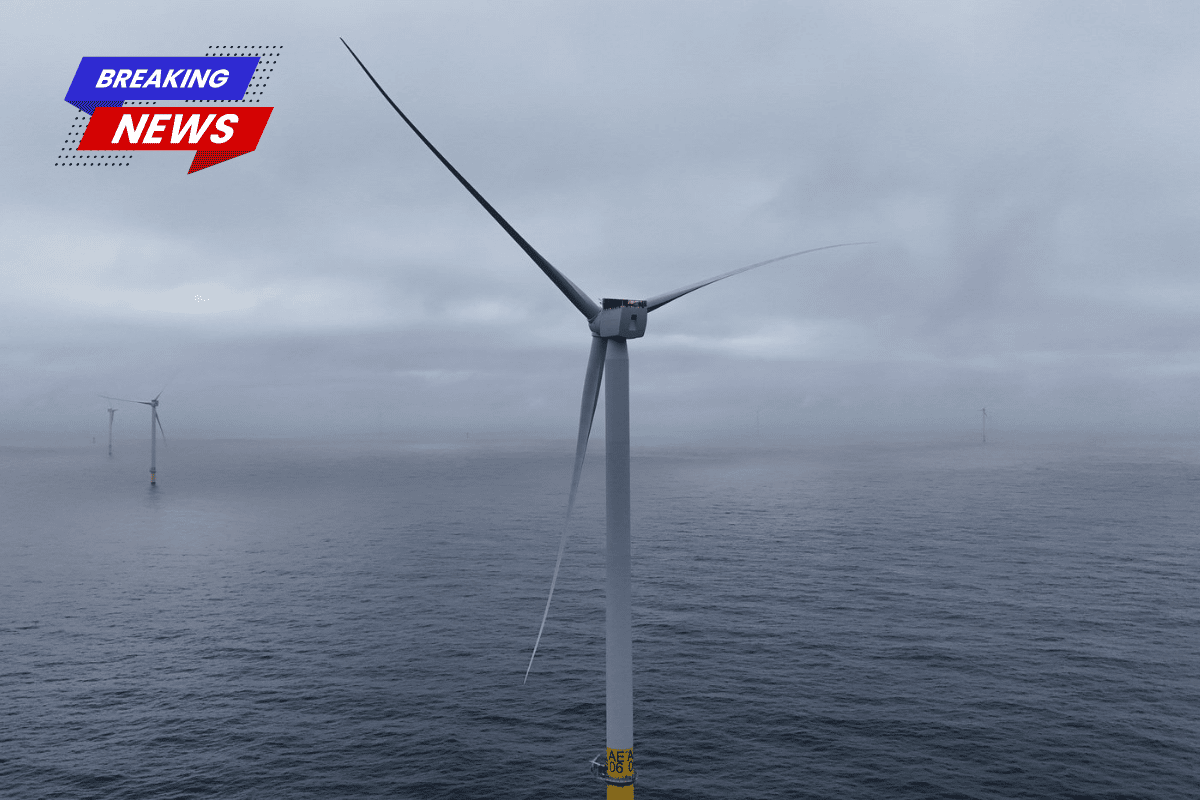
A major policy decision in the United States is creating strong debate, as billions of dollars are being used to cancel offshore wind energy projects. Lawmakers, companies, and environmental groups are all reacting differently to this move, which could shape the future of clean energy in the country.
What Is Happening With Offshore Wind Projects?
The administration led by Donald Trump is spending nearly $2 billion to encourage energy companies to step away from offshore wind projects. Instead of continuing these clean energy projects, companies are being offered money to cancel them and invest in fossil fuels like oil and gas.
This decision came after federal courts blocked earlier attempts to stop wind energy projects through executive orders.
Why Are Democrats Investigating?
Top Democratic leaders, including Jared Huffman and Jamie Raskin, have raised serious concerns about these deals.
They are especially questioning a major agreement involving TotalEnergies. Under this deal, the company is set to receive $1 billion as a refund for offshore wind leases off North Carolina and New York, on the condition that it invests the money in fossil fuel projects.
Democrats have called this move unfair and possibly illegal, arguing that taxpayer money should not be used this way.
Details of the Multi-Billion Dollar Deals
So far, three major agreements have been announced. In addition to TotalEnergies, other companies like Bluepoint Wind and Golden State Wind have agreed to cancel their offshore wind projects.
These companies are connected to Ocean Winds, a joint venture backed by major global energy firms. Together, the latest deals are worth nearly $900 million.
Supporters of the plan say it will help reduce energy costs and improve reliability by focusing on fossil fuels.
Support and Criticism
Supporters of the policy believe the government has the right to change energy priorities. Some groups argue that companies should not be forced to continue projects they no longer find beneficial.
However, critics strongly disagree. Chuck Schumer called the move a “bailout” for fossil fuel companies. He said it contradicts earlier criticism of government subsidies and could harm job creation and clean energy growth.
Impact on Clean Energy and Climate Goals
Environmental experts warn that cancelling offshore wind projects could slow down efforts to fight climate change. Wind energy is considered a cleaner alternative to fossil fuels, which are a major source of global pollution.
Groups like the National Wildlife Federation have expressed concern that shifting back to oil and gas could increase environmental risks and delay progress toward sustainable energy.
Legal and Industry Challenges
The situation has also led to legal battles. Courts have already blocked some attempts to stop renewable energy projects. Experts believe these buyout deals are a new strategy to reduce wind energy development.
Energy law expert Kristoffer Svendsen said such payments to cancel projects are unusual and could push companies to invest in other countries where renewable energy is more supported.
Global Perspective
Globally, wind energy is growing rapidly. Many countries, especially in Asia, are investing heavily in wind power. Reports show that wind energy is now helping power millions of homes worldwide.
In comparison, experts believe the future of offshore wind in the United States may become uncertain if current policies continue.






