The story of Brian Wells is a chilling example of manipulation, deceit, and murder. On August 28, 2003, Wells, a pizza delivery driver in Erie, Pennsylvania, became the unwitting participant in a horrifying and twisted bank robbery plot that ultimately led to his death.
The events surrounding his death, which included a bomb strapped around his neck and a series of bizarre tasks to “free” himself, shocked the public and stunned even the most seasoned investigators.
A Bank Robbery with a Deadly Twist
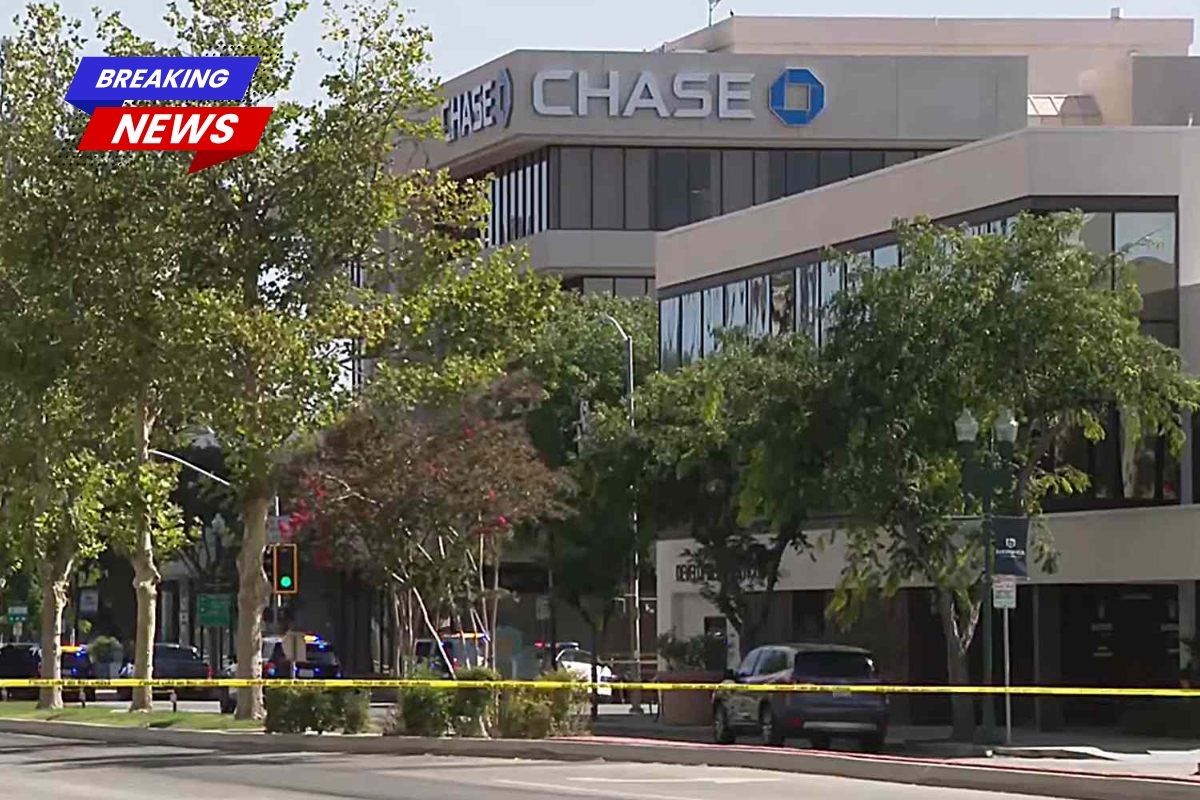
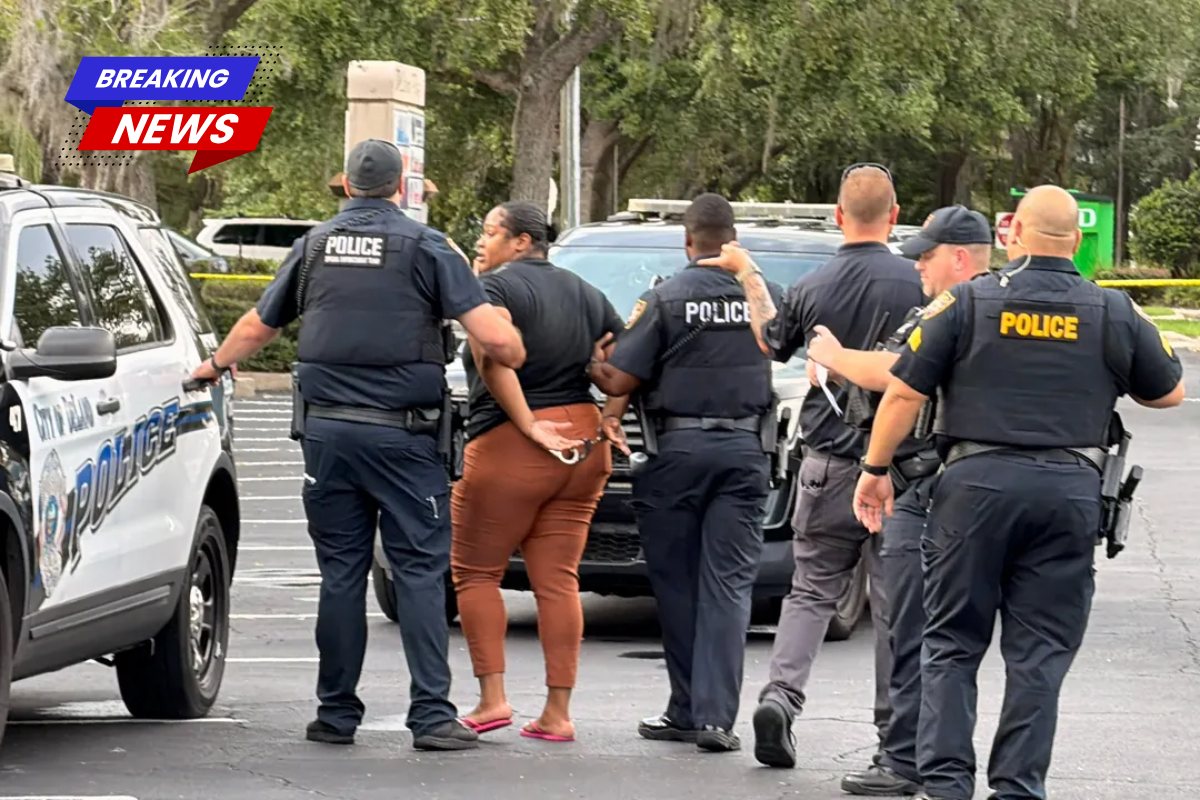
Wells walked into PNC Bank with a bomb locked around his neck as part of a robbery orchestrated by a group of individuals who used him as a pawn in their scheme. After stealing $8,700, Wells was forced to follow a scavenger hunt-style sequence of instructions that would, in theory, allow him to unlock the device. However, before he could complete the hunt, police arrested him, and the bomb detonated, killing him in the process.
Investigators who were on the scene, including retired FBI Special Agent Jerry Clark, described the events as one of the most disturbing they had ever encountered. Clark, who witnessed the bombing, recalled seeing Wells’ chest collapse after the explosion, which he immediately recognized as fatal.
Was Brian Wells Complicit in the Robbery?
Initial impressions suggested that Wells was involved in the robbery, especially due to his calm demeanor during the bank heist. Tellers reported that he appeared “very cavalier” while robbing the bank, even unwrapping a lollipop and eating it while the robbery was ongoing. His behavior led investigators to question whether he had prior knowledge of the plot.
A letter discovered in Wells’ possession provided further intrigue. The nine-page letter detailed the steps Wells was to follow to secure $250,000 from the bank. However, the bank could only provide $8,700, which raised suspicions about the legitimacy of the heist. After obtaining the money, Wells followed instructions to various locations, but he never reached the final stop, where he was to unlock the bomb around his neck.
The Bizarre Scavenger Hunt
Authorities soon realized that the robbery was part of a larger, more complex scavenger hunt. Wells had been instructed to visit specific locations, including a McDonald’s parking lot and an eye glass store, where he had to follow steps like turning over stones and tying ribbons to signal that he had completed the tasks. However, the hunt was abruptly interrupted by police, and Wells was never able to finish the final step.
Investigators combed through the locations mentioned in the notes Wells had received, but they found little more than torn ribbons and confusing clues. What was clear, however, was that Wells had been trapped in a deadly game he could not win.
A Web of Deceit: The Role of Marjorie Diehl-Armstrong and Bill Rothstein
As investigators delved deeper into the case, they uncovered a network of individuals with violent pasts who had played crucial roles in the plot. Bill Rothstein, a former shop teacher, became a key figure in the investigation after he called 911 on September 21, 2003, to report a frozen body in his garage. That body was identified as James Roden, who had been murdered by Marjorie Diehl-Armstrong, Rothstein’s friend.
Diehl-Armstrong had a history of violence, having been acquitted of killing another boyfriend years prior using a battered spouse defense. As authorities searched Rothstein’s home, they found evidence linking him to the Wells case, including a suicide note that hinted at his involvement in the bank robbery.
The Role of Ken Barnes: The Man Behind the Plot
Through further investigation, authorities discovered Ken Barnes, a known drug dealer with connections to Wells. Barnes eventually cooperated with the investigation and revealed that the entire scheme had been masterminded by Diehl-Armstrong and Rothstein.
According to Barnes, Diehl-Armstrong had planned to kill her wealthy father to collect his inheritance and had used Wells as a “patsy” to help execute her plan.
Barnes also explained that Wells was promised $5,000 for his involvement, but he was deceived into thinking that the bomb would be fake. In reality, the bomb was always intended to detonate, and Wells had no chance of surviving the ordeal.
The Aftermath: Arrests and Convictions
Following Wells’ death, the investigation continued to unfold. Rothstein was arrested and pled guilty to abuse of a corpse, while Diehl-Armstrong, who was later deemed incompetent to stand trial, eventually pled guilty to charges related to Roden’s death. Diehl-Armstrong was sentenced to life in prison, where she continued to implicate others involved in the plot.
Barnes, who played a crucial role in the conspiracy, was sentenced to 22.5 years in prison after admitting to his involvement. He died of cancer in 2019. Diehl-Armstrong also passed away from cancer in 2017, but not before the full extent of her and her accomplices’ actions had been revealed.
A Disturbing Tale of Manipulation and Murder
The case of Brian Wells is one of the most disturbing and bizarre murder plots in recent history. It involved a combination of psychological manipulation, criminal conspiracy, and a complete disregard for human life. Wells, a simple pizza delivery driver, was tragically used as a pawn in a deadly game orchestrated by ruthless criminals.
Despite his initial belief that the bomb was fake, Wells’ story serves as a cautionary tale of the dangers of being caught in a web of lies and deceit. His death remains one of the most tragic examples of the lengths to which individuals will go in the pursuit of wealth and power.