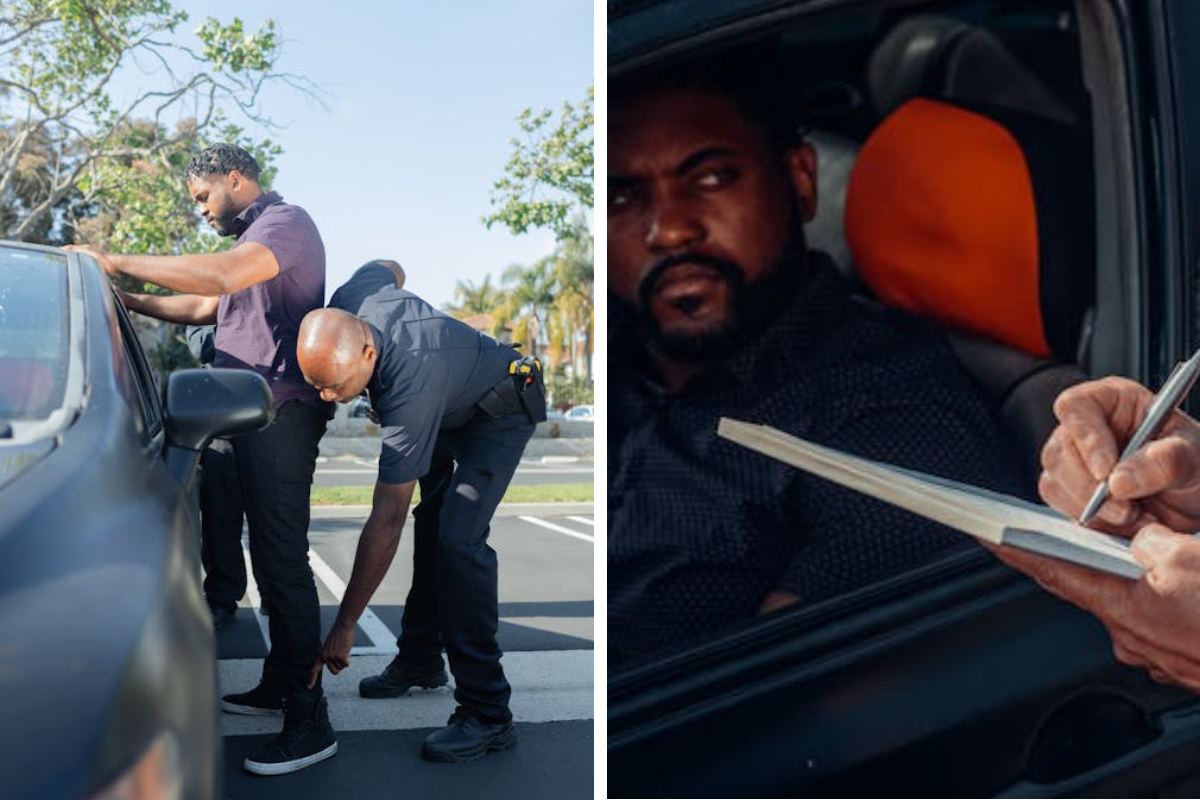
Arizona police generally cannot search your phone during a routine traffic stop without a warrant, your consent, or a specific legal exception. This protection stems from the Fourth Amendment and the U.S. Supreme Court’s landmark Riley v. California ruling in 2014, which held that cell phones require special safeguards due to their vast personal data.
Fourth Amendment Basics
The Fourth Amendment guards against unreasonable searches and seizures, treating phones as containers of intimate digital information. In Arizona, a traffic stop for speeding or a broken taillight does not grant officers automatic access to your texts, photos, or apps. Officers can ask to see your phone or request you unlock it, but you have the right to politely decline.
Key Supreme Court Precedent
Riley v. California ruled unanimously that police need a warrant to search a phone incident to arrest, overturning prior allowances for quick cell checks. Even if arrested during a stop—say, for DUI—officers can seize the phone but must get judicial approval before digging into its contents. Arizona courts follow this federal standard without unique state overrides for routine stops.
Common Exceptions Explained
Consent is the most frequent loophole: if you hand over your unlocked phone, it’s fair game. Exigent circumstances, like imminent danger (e.g., a bomb threat traced to your device), allow warrantless searches. Probable cause might apply if the phone evidences a crime, such as texting while driving under Arizona’s hands-free law, but Riley still limits deep dives.
What Happens in Practice
During a stop, stay calm, provide license and registration, but say, “I do not consent to any searches.” Officers might seize the phone temporarily if arrested, holding it until a warrant arrives, which can take hours via Arizona’s electronic systems. Refusing doesn’t escalate a routine stop, but arguing can lead to tension.
Borders or airports have looser rules, but standard highway stops do not. If on probation, warrantless phone checks might be allowed under supervision terms.
Your Rights and Next Steps
Always assert non-consent clearly to preserve challenges in court. Illegal searches can suppress evidence, potentially dismissing charges. Post-incident, document details and consult a lawyer—firms like those cited note frequent violations occur despite Riley.
SOURCES:
- https://www.arizonalawgroup.com/blog/can-a-police-officer-search-your-phone-without-permission/
- https://arjashahlaw.com/blog/can-police-search-your-cell-phone-without-warrant-arizona/