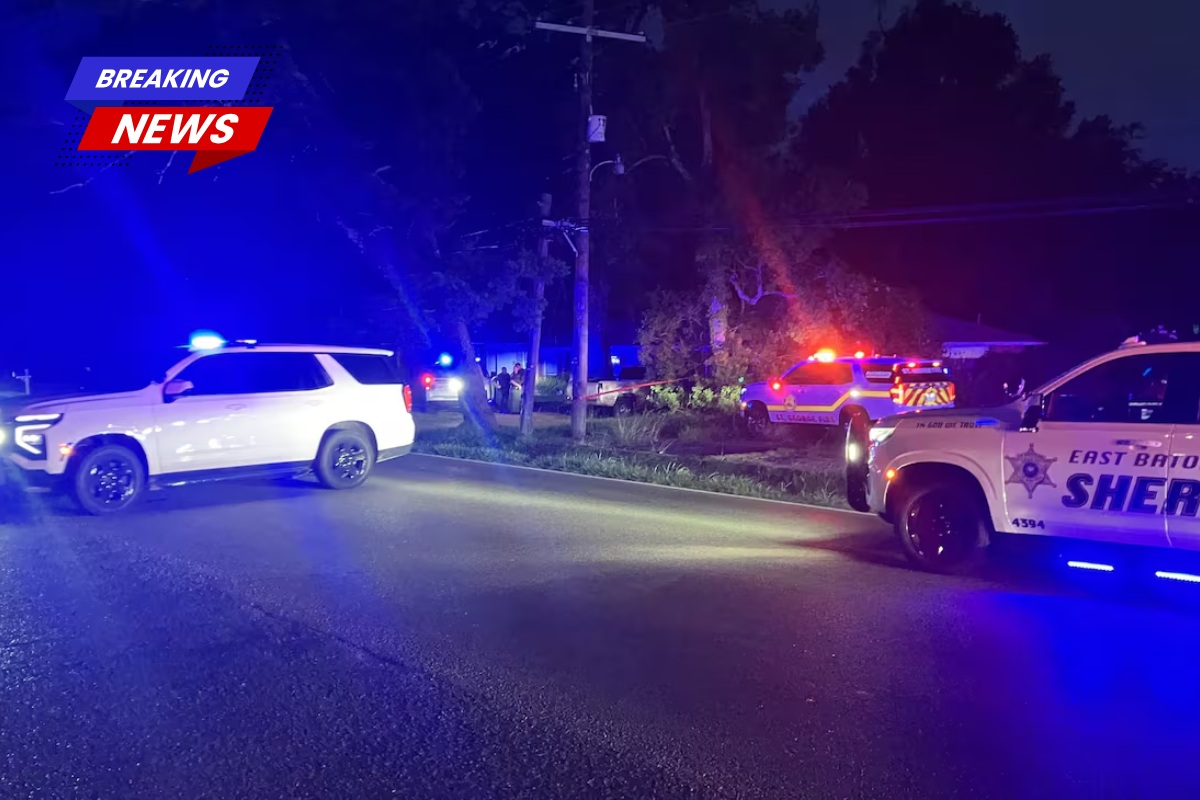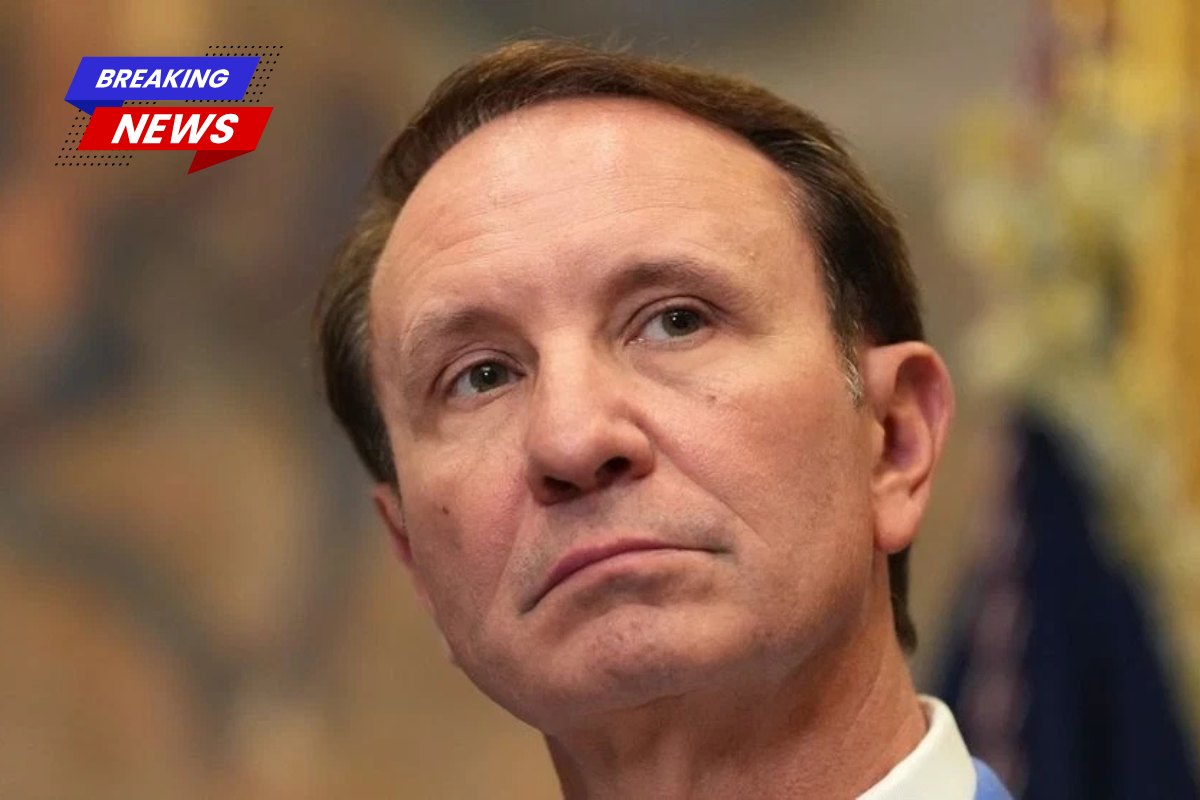
A new effort to recall Louisiana Governor Jeff Landry has begun, initiated by Marian Gbaiwon Hills, a Baton Rouge resident. The recall petition was filed on Monday, but what is the reason behind this bold move? Here’s what we know so far.
The Recall Process in Louisiana
In Louisiana, any registered voter has the ability to start a recall petition against an elected official. However, for a statewide position like governor, it takes substantial support to make it happen.
To trigger a recall election for a statewide official, petition organizers must gather signatures from 20% of all registered voters in the state within 180 days. This equates to over 500,000 signatures needed for the petition to move forward. Each signature must be carefully reviewed and approved by election officials before anything else can take place.
Reasons for the Recall Effort
The supporters of the recall are expressing frustration with the Governor’s actions and statements. According to reports, the petition claims that Governor Landry has engaged in a pattern of behavior that does not represent all of the state’s people fairly. Organizers say that instead of addressing the long-term needs of Louisiana’s communities, the governor has focused on short-term solutions and punishments that fail to provide lasting benefits.
What Happens Next?
If organizers are able to collect enough signatures, the Louisiana Secretary of State will review them. If the signatures are validated, a recall election will be scheduled, and voters will have the opportunity to decide whether Governor Landry should remain in office.
It’s important to note that while recall efforts against governors in Louisiana are rare, this isn’t the first time the state has seen attempts. However, no recall petition targeting a statewide elected official has ever made it to an election in Louisiana.
The Governor’s Recent Actions
Recently, Governor Landry was in Lake Charles to break ground on the new I-10 Bridge, which is a major infrastructure project. While this marks a significant moment for the state, some critics argue that this project, and others like it, are short-term fixes rather than addressing broader issues that affect all Louisianans.