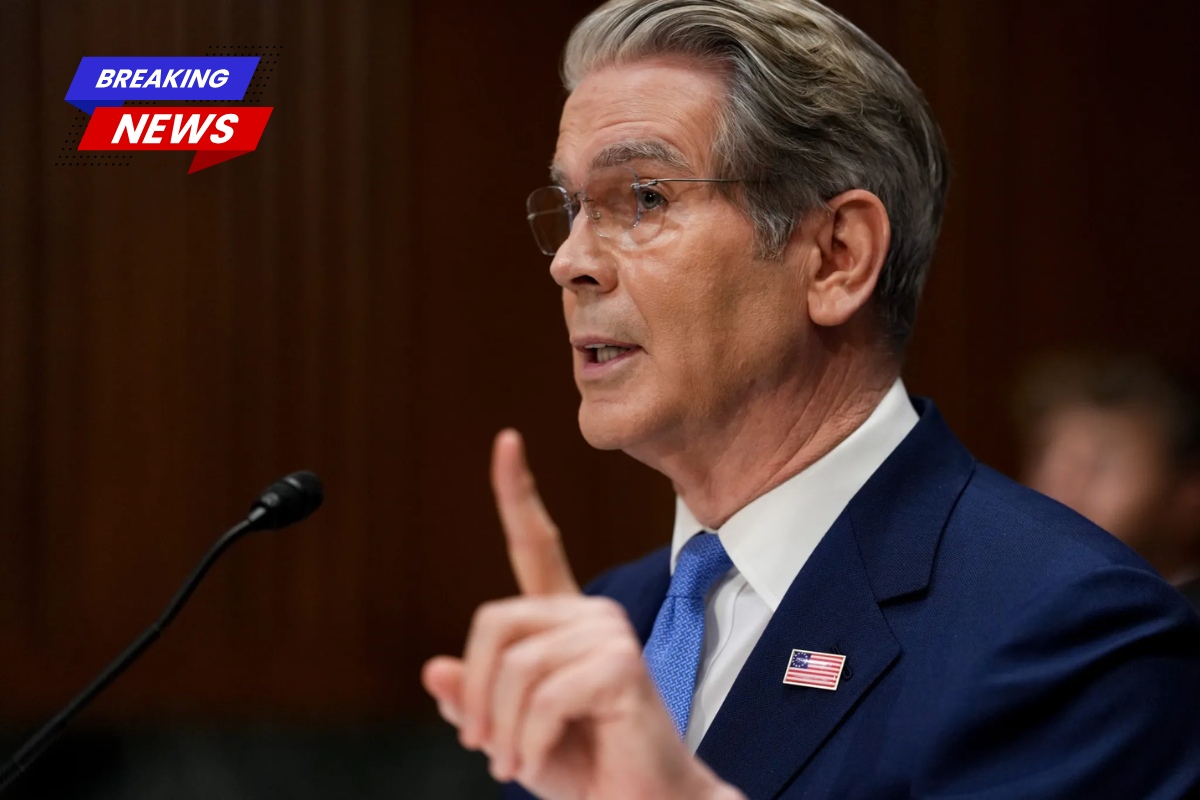
FCC Chairman Brendan Carr has taken an unprecedented step by announcing an early review of the broadcast licenses for eight ABC TV stations owned by Walt Disney Co. This move, made on April 28, is raising eyebrows and is seen by many as a response to Melania Trump’s criticism of ABC late-night host Jimmy Kimmel, coupled with the ongoing debate over Disney’s diversity, equity, and inclusion (DEI) policies.
The Timing of the Review
Carr’s call for the review of ABC’s licenses comes two years ahead of schedule, sparking speculation that the move may be linked to the Trump administration’s broader push to curb DEI initiatives across various sectors. The review is specifically focused on whether Disney’s DEI policies violate federal anti-discrimination rules.
The announcement follows an April 25 incident at the White House Correspondents’ Association Dinner, where comedian Jimmy Kimmel made a joke about Melania Trump. The first lady responded publicly, calling Kimmel a “coward” and criticizing his comments.
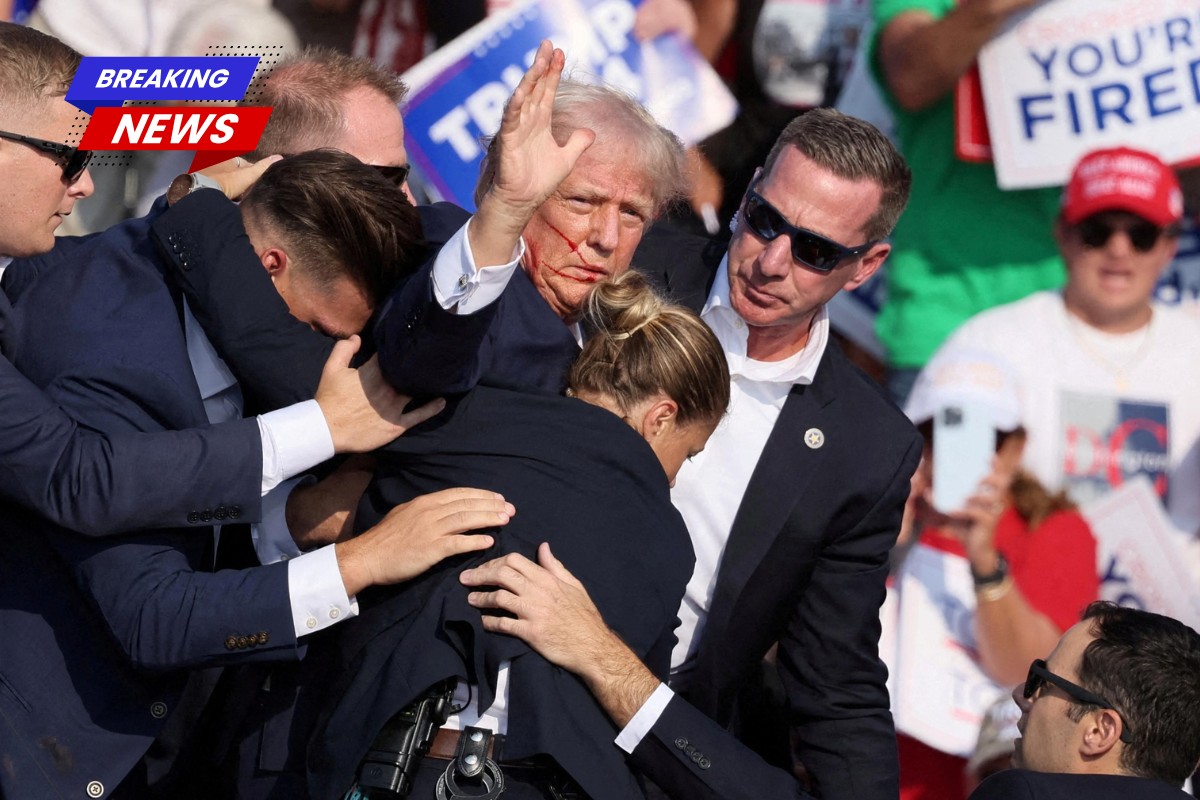
In a rare public confrontation, she demanded that ABC fire Kimmel for his joke, which referred to her as having the “glow of an expectant widow” in a comedic routine. The shooting incident at the dinner, involving an armed suspect aiming to assassinate President Trump, only heightened the tension.
Carr’s Stance and Response to Critics
Carr, who was present at the dinner, has insisted that the request for a review is not connected to Kimmel’s remarks but rather is focused on Disney’s corporate practices. Despite skepticism from critics, Carr’s history of supporting Trump’s policies, including his past comments on social media, has fueled concerns that this review might be politically motivated.
Carr defended the move in a Washington news conference, saying, “There would be an action related to ABC coming soon,” hours before shots were fired at the event.
The Broader Context: Disney’s DEI Policies
The investigation into Disney’s diversity policies began in March 2025, part of a broader effort by the Trump administration to reverse the influence of DEI initiatives in both the private sector and public agencies.
Following the 2020 killing of George Floyd and the rise of the Black Lives Matter movement, major companies like Disney and NBC-owned Comcast have invested heavily in diversity programs. However, these initiatives have faced increasing scrutiny under the current administration.
Potential Legal Challenges and Industry Impact
While the FCC has the authority to review and even deny broadcast licenses, the bar for such action is historically very high. Legal experts argue that First Amendment concerns would likely block any attempts to revoke the licenses, with the process taking years to resolve in court.
Andrew Jay Schwartzman, a public communications attorney, explained, “The law intentionally sets out a very steep burden for the FCC to deny a license renewal; the process takes many years, during which time the licensee continues to operate normally under ‘continuing operating authority.’”
Past Examples of License Challenges
Historically, FCC license challenges have been rare and have typically been tied to corporate malfeasance, not content or speech. The most notable example was the case involving Fox Corp.’s Philadelphia station WTXF, where activists filed a challenge over falsehoods spread by Fox News during the 2020 election, but the FCC rejected the challenge in January 2025.
Other examples include efforts during the Watergate scandal when Richard Nixon’s administration sought to challenge the licenses of several stations owned by the Washington Post, though those attempts were unsuccessful.
What Happens If ABC’s Licenses Are Not Renewed?
If the FCC were to deny the renewal of ABC’s broadcast licenses, the process could take several years to resolve. In the meantime, Disney’s stations would continue operating under “continuing operating authority” until a final decision is made. If Disney were forced to sell the stations, the sale price could be adversely affected by the ongoing controversy.
In the end, experts believe that any such effort would likely be tied up in court for years, due to constitutional concerns.