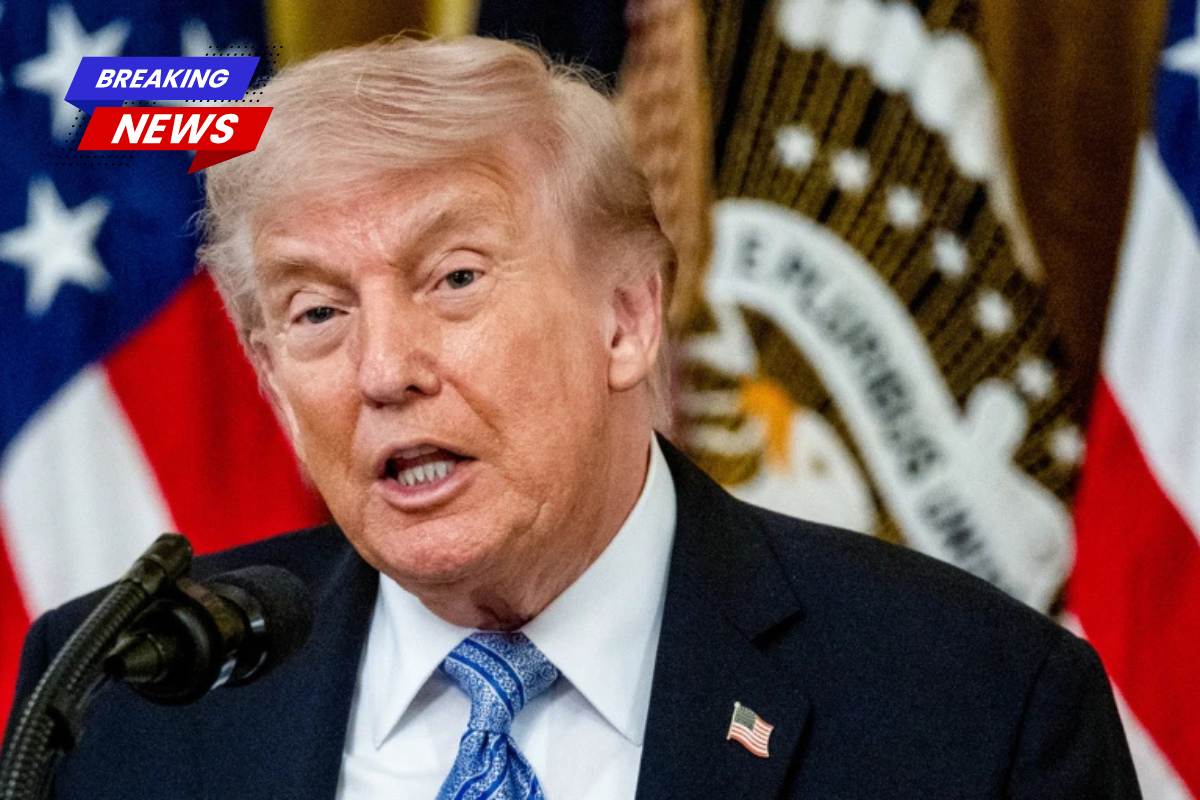
In Indiana’s primary elections on Tuesday, President Donald Trump exacted revenge on Republican state senators who had opposed his redistricting plan, backing challengers who unseated five incumbents in races that saw a surge of spending and national attention.
Trump’s Grip on the GOP Demonstrated
Trump’s involvement in the Indiana primary was a significant test of his continued dominance within the Republican Party, even as his approval rating has faltered nationally amid issues like rising gas prices and the ongoing Iran war. Despite these challenges, his influence over the party remains formidable, especially within local GOP races.
Trump-backed candidates claimed victory in five races, demonstrating that his grip on the party is far from fading. The contests highlighted his ability to mobilize significant financial resources—over $12 million was spent on ads, much of it funneled through Trump-aligned groups targeting state senators who voted down his proposed redistricting plan.
The Redistricting Battle and Trump’s Retaliation
Trump’s intervention stemmed from a redistricting dispute, where the Indiana Republican-led state Senate voted down his plan to redraw the state’s congressional map, which would have favored Republican candidates by creating two additional seats. This rebuke came after Trump and his allies put heavy pressure on the state legislature. Six months later, Trump’s challengers emerged victorious.
“Big night for MAGA in Indiana. Proud to have helped elect more conservative Republicans to the Indiana State Senate,” U.S. Senator Jim Banks (R-Ind.) wrote, celebrating the success of Trump-endorsed candidates in the state.
Notable Defeats in the Indiana State Senate
Among the biggest upsets was the defeat of State Sen. Travis Holdman, a veteran lawmaker and third-most powerful Republican in the chamber. Holdman lost to Blake Fiechter, a real estate agent who had briefly exited the race but re-entered after a White House visit in March.
State Sen. Jim Buck, who had served in the Indiana Legislature since 1994, also lost his primary to Tracey Powell, a Tipton County Commission member. Buck, who had the support of Mike Pence, the former vice president and Indiana governor, faced his first primary challenge since joining the Senate.
Another key defeat came when State Sen. Greg Walker lost to State Rep. Michelle Davis. Walker had initially planned to retire but reversed his decision amid the redistricting controversy. Davis, who launched her campaign early and gained Trump’s endorsement, triumphed in the race.
Other incumbent losses included State Sen. Linda Rogers, who lost to Dr. Brian Schmutzler, and State Sen. Dan Dernulc, who was defeated by Trevor De Vries.
A Rare Win for Trump’s Critic: State Sen. Greg Goode
One notable Republican lawmaker who defied Trump’s endorsement and survived was State Sen. Greg Goode, who defeated Brenda Wilson, a Trump-backed challenger, in a closely watched race. Despite being pushed by Trump’s allies to clear the path for Wilson, Goode triumphed, signaling that Trump’s influence doesn’t always guarantee victory.
A Tight Race and High Stakes
In one of the closest races of the night, State Sen. Spencer Deery led Paula Copenhaver by just three votes with nearly all the expected vote counted. This race became the most expensive of the seven with Trump-backed challengers, with over $3 million spent on advertising in a district of approximately 135,000 people.
Trump also intervened in the open primary for the seat of retiring state Sen. Eric Bassler, another opponent of the redistricting plan. Jeff Ellington, a former state representative, secured Trump’s backing and emerged victorious in the primary.
No Trump Support for Some Challengers
While Trump targeted several state senators over their opposition to the redistricting effort, State Sen. Rick Niemeyer, another opponent of the plan, did not receive Trump’s support in his primary challenge, which he won without major controversy.
The Bigger Picture: Trump’s Influence Still Strong
The primary results show that Trump’s influence within the Republican Party is far from over. His ability to sway local races and mobilize significant financial backing has helped him enforce loyalty within the party, even as some Republicans have expressed concern about his grip on the party heading into the 2024 elections.
Trump’s intervention in Indiana politics, particularly his involvement in redistricting, has made it clear that Republican lawmakers who oppose him will face consequences. As the midterm elections draw closer, it’s evident that Trump remains a major force in shaping the future of the Republican Party.