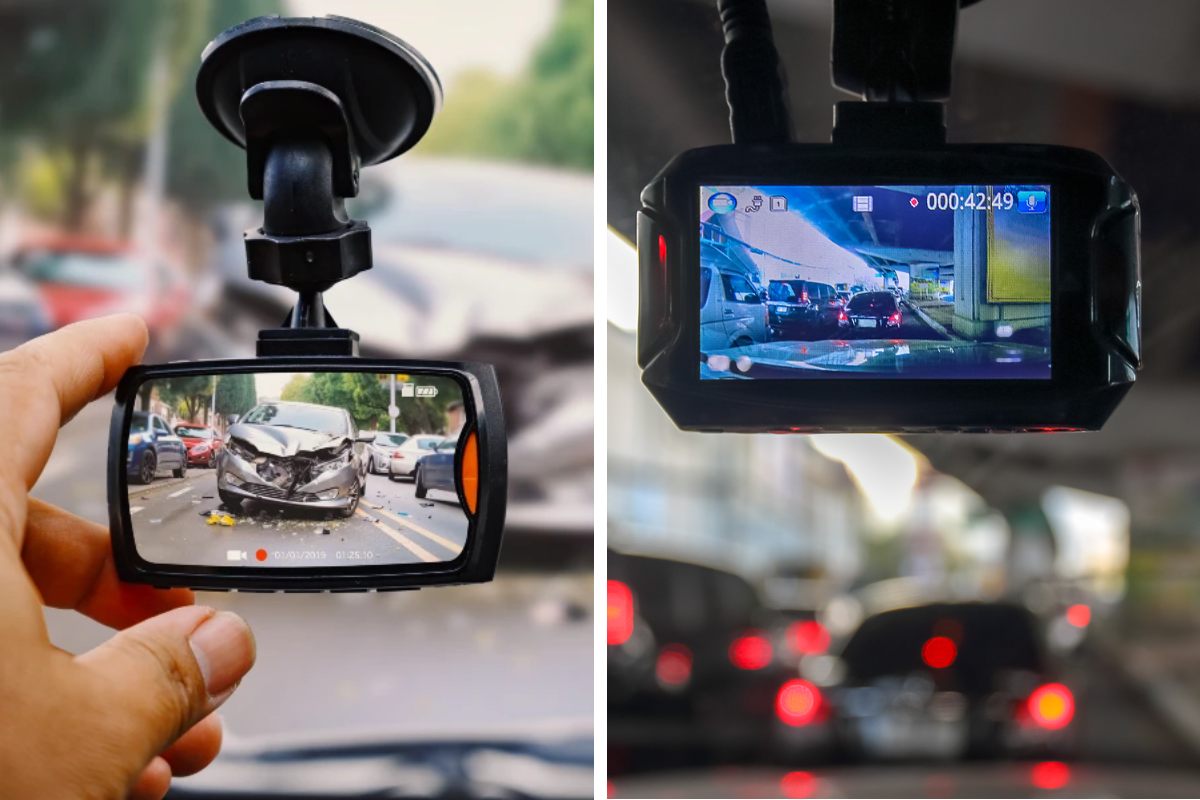
Dash cams are legal in Georgia but must not obstruct the driver’s view of the road or highways. Proper placement ensures compliance while providing valuable evidence for accidents or disputes.
Placement Requirements
Georgia Code § 40-8-73 prohibits signs, posters, or non-transparent materials on windshields or windows that block clear vision. Dash cams qualify as electronic devices; mounts are allowed if minimizing obstruction, typically behind the rearview mirror or on the dashboard.
Officers can issue citations for violations, though rare if cams are small and positioned correctly. Secure mounting prevents detachment, avoiding additional hazards.
No size limits exist, but practicality rules: larger cams risk tickets if impairing sightlines more than a mirror.
Audio Recording Rules
Georgia is a one-party consent state under O.C.G.A. §§ 16-11-62 and 16-11-66. Drivers consent to their vehicle’s interior audio; passengers need no notice, though informing them avoids disputes.
Public road video is unrestricted, but private conversations without consent could taint evidence. Courts admit unaltered footage if relevant and authenticated.
Hands-Free Law (§40-6-241) exempts continuously running dash cams from video recording bans while driving.
Use in Legal Cases
Dash cam footage serves as admissible evidence in accidents under O.C.G.A. §24-10-1004, proving fault via unedited HD clips showing pre-crash actions. Insurance accepts it for claims; courts favor original files without edits.
Installation and Maintenance Tips
Choose suction or adhesive mounts high on windshield for minimal blockage. Test angles to capture road without blind spots.
Regularly check for loose wires or falls; tampering voids evidentiary value. Commercial vehicles follow federal rules alongside state ones.
Potential Pitfalls
Obstructed views from poor placement could contribute to accidents, weakening claims. Blurry, angled, or edited footage loses credibility.
Inform passengers of audio for courtesy; violations rarely prosecuted but could exclude clips. No statewide mandates for cams, but rideshares often require them.
SOURCES:
- https://www.mas.law/blog/2025/december/dashcam-laws-in-georgia-what-you-need-to-know-be/
- https://spivalaw.com/blog/how-can-dashcam-footage-impact-my-georgia-truck-accident-case/