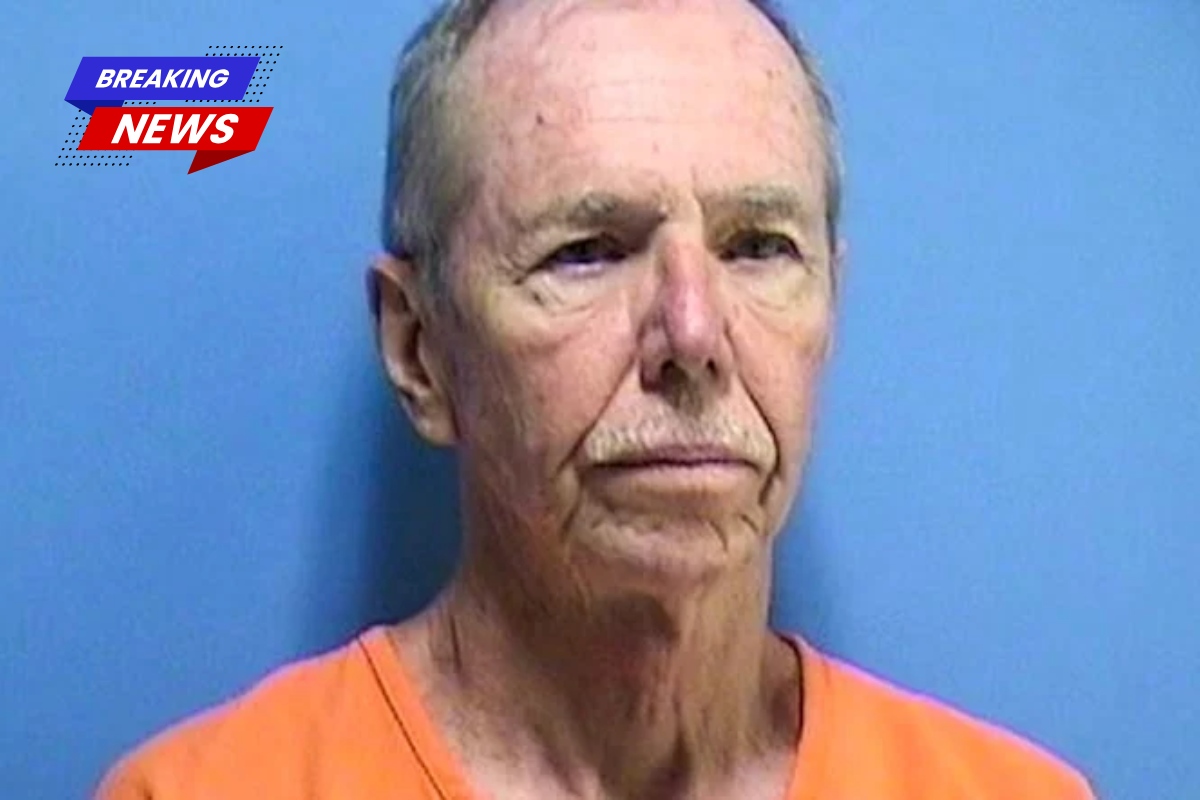
A former New Orleans Police Department detective, Stanley Burkhardt, has invoked his Fifth Amendment right to remain silent over 700 times during a civil deposition related to long-unsolved murders and allegations of abuse.
Burkhardt, who has a history of criminal convictions, was questioned for about four hours in the Orleans Parish jail, but he refused to answer the majority of the questions, instead choosing to remain silent under the protection of the Fifth Amendment. The deposition has brought renewed attention to several cold cases from the 1970s and 1980s that Burkhardt had previously been linked to.
Burkhardt’s Stonewalling in Deposition
During the deposition, which was recorded on video, plaintiff attorney Kristi Schubert tried to question Burkhardt about his alleged involvement in unsolved murders and accusations of abuse. However, Burkhardt invoked his right to remain silent over 700 times, refusing to answer the questions posed by the lawyer.
The questioning centered around deaths dating back to the 1970s and 1980s, including the 1982 drowning of Eddie Wells and the 1978 deaths of Dennis Turcotte, Raymond Richardson, and Daniel Dewey.
Despite his refusal to answer the questions, Burkhardt did provide one notable response during a February 2020 court hearing. When asked directly if he had murdered Eddie Wells, Burkhardt responded with a clear “no.”
Burkhardt’s Criminal History
Burkhardt, who once headed the New Orleans Police Department’s sex-crimes unit, was convicted in 1987 for mailing child-abuse imagery. He later spent time in prison and, in 2011, was deemed “sexually dangerous” by a federal judge, leading to his involuntary commitment.
He underwent treatment and was eventually released under supervision. However, Burkhardt was taken back into custody in July 2025 on allegations of violating state parole and now faces new charges related to his registration requirements and online activity.
Cold Cases Under Fresh Scrutiny
Burkhardt’s refusal to answer questions during his deposition has brought renewed scrutiny to a series of cold cases, including the drowning of Eddie Wells in 1982 and the deaths of Dennis Turcotte, Raymond Richardson, and Daniel Dewey in 1978.
Investigators say that Burkhardt was once considered a possible suspect in these cases, and former investigator Frank Weicks testified in the ongoing lawsuit that his agency had previously looked into Burkhardt as a potential person of interest.
The lawsuit stems from allegations made by Richard Windmann, a survivor who claims Burkhardt abused him as a youth. Windmann’s legal team is using the deposition testimony as part of their case to highlight Burkhardt’s history of criminal behavior and the potential connection to unsolved deaths.
Legal Implications of Invoking the Fifth
The Fifth Amendment to the U.S. Constitution protects individuals from self-incrimination, allowing them to refuse to answer questions that could potentially incriminate them. However, in civil cases, like the one involving Burkhardt, a refusal to answer questions can sometimes lead to negative inferences being drawn by jurors or judges.
While this remains a tactical move for Burkhardt, it also allows the plaintiffs to argue that his refusal to speak speaks volumes about his potential involvement in the matters under investigation.
If the case proceeds to a jury trial, the judge will ultimately decide whether any negative inferences can be drawn from Burkhardt’s repeated invocations of the Fifth.
Next Steps and Ongoing Investigation
As of now, prosecutors and cold-case investigators have not announced any new criminal charges stemming directly from Burkhardt’s deposition.
However, the deposition transcripts and videos are being used in the ongoing federal litigation related to the abuse case brought by Richard Windmann. Investigators continue to look into the cold cases linked to Burkhardt, and the outcome of the deposition could have significant implications for the cases still pending.
Burkhardt’s past behavior and current refusal to cooperate have made this case an important one to watch, particularly in light of the ongoing efforts to solve decades-old murders and bring justice to the victims and their families.