Dash cams are legal in California, but strict rules on mounting, audio recording, and privacy apply under Vehicle Code Section 26708. Drivers must follow placement limits and notify passengers of recording to avoid fines or inadmissible footage.
Legal Status of Dash Cams
California legalized dash cams in 2011 after establishing clear rules on placement and passenger notification. These devices, also called video event recorders, can record road video and often audio, speed, braking, and more.
No state law bans their use outright, but improper setup can lead to citations for obstructing the driver’s view or invading privacy. Courts accept compliant footage as evidence in accidents, treating it like other security recordings.
Mounting Rules Explained
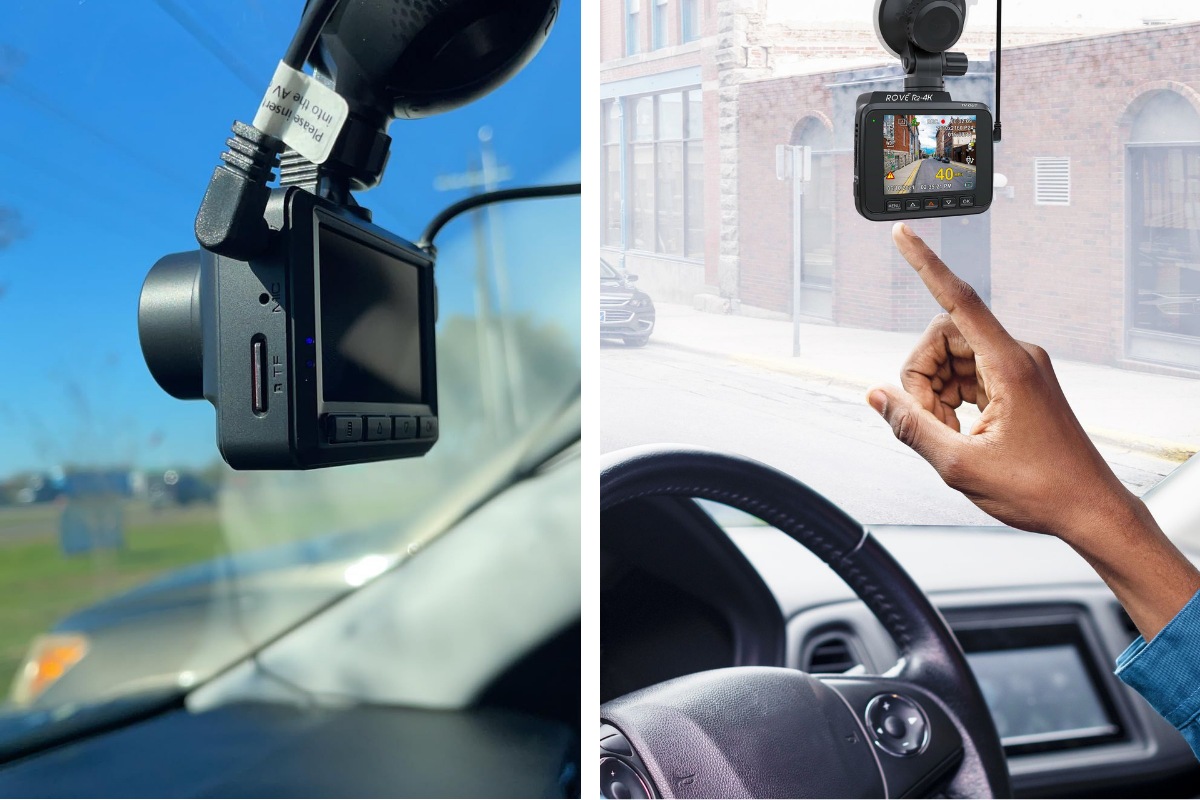
Dash cams must fit within specific windshield zones to stay legal. Allowed spots include a 7-square-inch area in the lower right corner (farthest from driver), a 5-square-inch area in the lower left corner (nearest driver, outside airbag zone), or a 5-square-inch square at the upper center.
Placement cannot block the driver’s view or interfere with airbag deployment—check your vehicle’s airbag locations with a mechanic if unsure. Dashboard or rearview mirror mounts work if they meet size limits and avoid obstructions.
Audio and Privacy Laws
California is a two-party consent state, so inform all passengers if your dash cam records audio; they must agree or you risk privacy violation penalties. Rideshare or commercial drivers should use visible signage about recording.
Mute audio when lending your car, and never record private conversations without consent. Video of public roads has no privacy expectation, but indoor audio does.
Commercial and Rideshare Use
Rideshare drivers like Uber or Lyft face the same rules but extra scrutiny for passenger privacy. Place signs notifying riders of recording, and ensure mounts comply to avoid tickets.
Commercial fleets must follow FMCSA standards; California adds strict windshield limits. Driver-facing cams need clear policies and disclosure.
Insurance and Court Value
Dash cam footage helps prove fault in unclear accidents, like red-light runs, and courts admit it if legally obtained—no tampering allowed. Insurers may use it too, even against you if it shows speeding or reckless driving.
Always preserve raw files; selective editing voids admissibility. Police can seize cams at crash scenes to prevent evidence loss.
Best Practices for Drivers
Choose compact cams fitting size rules, test for view obstruction, and enable event-locking for 30 seconds pre- and post-impact. Regularly update firmware and back up footage securely.
For peace of mind, mount behind the rearview mirror in the upper center zone. This setup maximizes road capture without legal headaches.
Sources:
- (https://cutterlaw.com/california-laws/dash-cam-laws/)
- (https://www.injury-attorneys.com/sacramento-car-accident-lawyers/california-dash-cam-laws/)
- (https://michaelhendersonlaw.com/legal-placement-dashcam-california/)