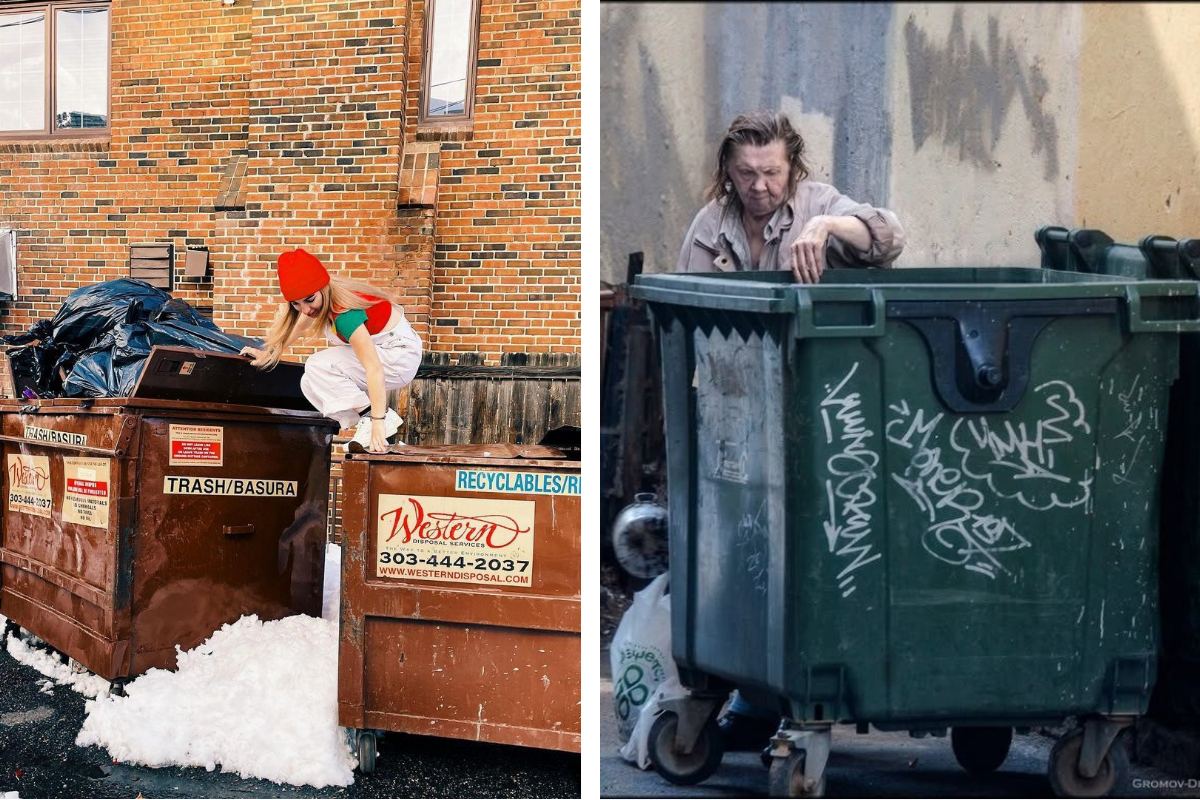
Dumpster diving—scavenging trash from dumpsters—is generally legal in North Carolina if done in public areas with abandoned waste, per the U.S. Supreme Court’s California v. Greenwood ruling. However, trespassing on private property or violating city ordinances turns it illegal, with fines up to $500 or misdemeanor charges.
Supreme Court Precedent
The 1988 California v. Greenwood decision holds that curbside trash lacks Fourth Amendment privacy protection, making public dumpster contents fair game once set out for collection. North Carolina follows this—no state ban exists on taking abandoned items.
Ownership transfers upon discard; keepers face no theft claims unless items stay valuable or marked “not trash.”
Trespassing and Private Property
State law (§ 14-159.13) prohibits entering private dumpsters without permission, treating them as trespass even if unlocked. Fences, gates, or “No Trespassing” signs enforce this; violations risk misdemeanor charges with up to 120 days jail or $1,000 fine.
Businesses post warnings to deter; police cite based on property lines, not mess-making alone.
City-Specific Ordinances
Charlotte: City code bans unauthorized solid waste collection; dumpster diving draws citations for loitering or trespass, even public-adjacent.
Raleigh: No explicit ban, but only city-authorized collectors handle waste—unpermitted removal risks infraction.
Durham: Statute limits hauling refuse to authorized parties; violators fined for city-set trash.
Smaller towns vary—check public works sites.
Health and Safety Risks
No sanitation laws target divers directly, but scattered trash leads to littering charges (§ 14-399). Bloodborne pathogens, sharp objects, and insects pose dangers; cities urge gloves and vaccines.
Food from dumpsters? Technically legal if unspoiled, but liability falls on consumer—no seller warranties.
Enforcement in Practice
TikTok hauls spike reports, but most busts stem from trespass complaints. Police warn first; repeaters face bans or court. Businesses lock dumpsters or use compactors to prevent access.
2025 Charlotte uptick led to education campaigns over arrests.
Safe Diving Tips
Stick to public curbs, apartments, college campuses, or alleys without barriers. Dive at night discreetly; ask permission for stores. Clean up fully, use bags/tools, and avoid locked/fenced spots.
Verify via city codes or call non-emergency lines. Profitable spots: grocery ends-of-day bins, retail overstock.
Why It Matters Now
Social media fuels growth amid inflation, but 2026 ordinances tighten in Charlotte/Raleigh hotspots. Respect laws to sustain the hobby—irresponsible acts prompt bans.
Bottom line: public yes, private no. Stay informed to score legally.
Sources:
- (https://www.charlotteobserver.com/news/local/article303241456.html)
- (https://ultimatedumpsters.com/is-dumpster-diving-illegal-in-nc/)
- (https://www.charlotteobserver.com/news/local/article303241456.html)