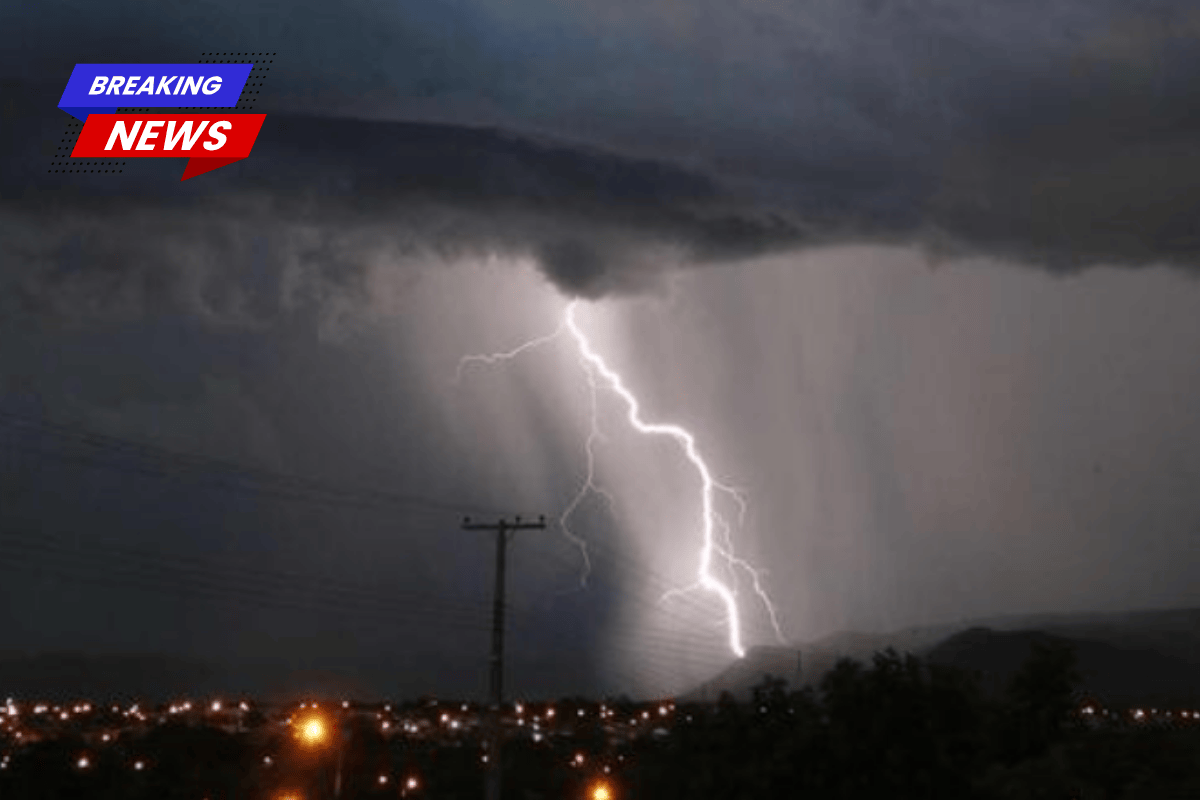
Extreme weather is no longer rare. Across the United States, cities are facing stronger storms, rising temperatures, and frequent disasters. Data from agencies like NOAA and FEMA shows a sharp rise in billion-dollar weather events, with dozens recorded in recent years. The trend is expected to worsen, putting major urban areas under increasing pressure to adapt quickly.
New Orleans: Living With Water
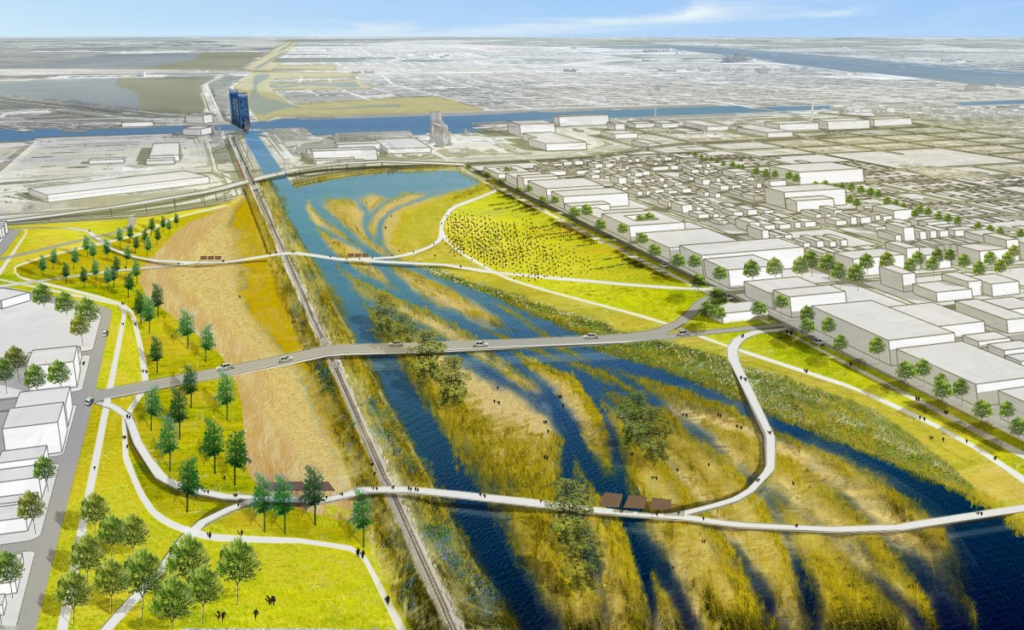
New Orleans faces one of the highest flood risks in the country. The city continues to battle storm surges, sinking land, and coastal erosion, especially as parts of the Mississippi Delta disappear each year. Events like Hurricane Ida showed how vulnerable neighborhoods can be. While levees and pump systems help reduce risk, long-term challenges remain as the land continues to sink and seas rise.
Miami: Rising Seas and Saltwater Threats
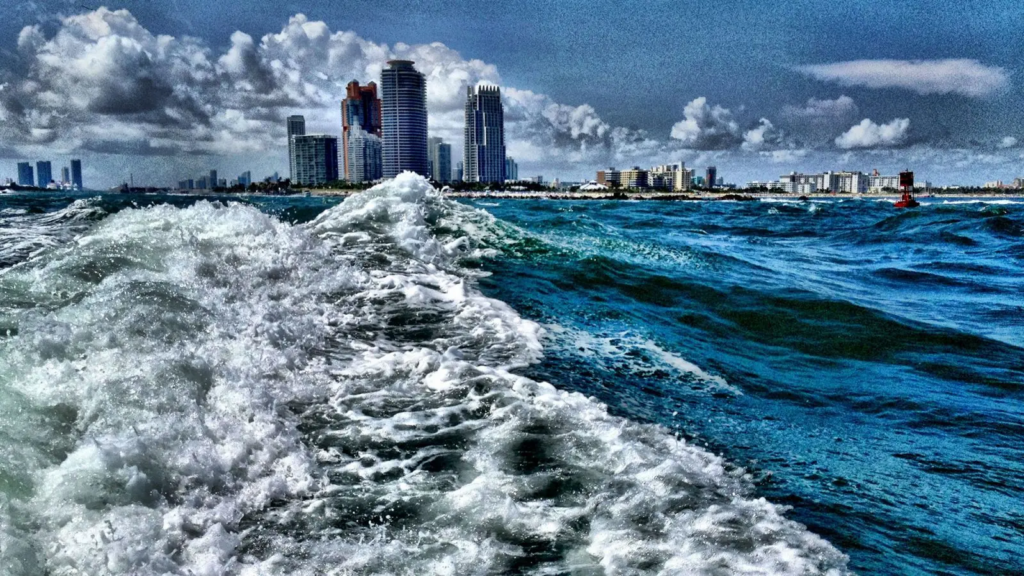
Miami is on the front line of sea level rise. Flooding during high tides is becoming more common, and saltwater is starting to affect drinking water supplies. Engineers are raising roads and improving drainage, but these are short-term fixes. Stronger hurricanes and steady ocean rise continue to threaten the city’s future.
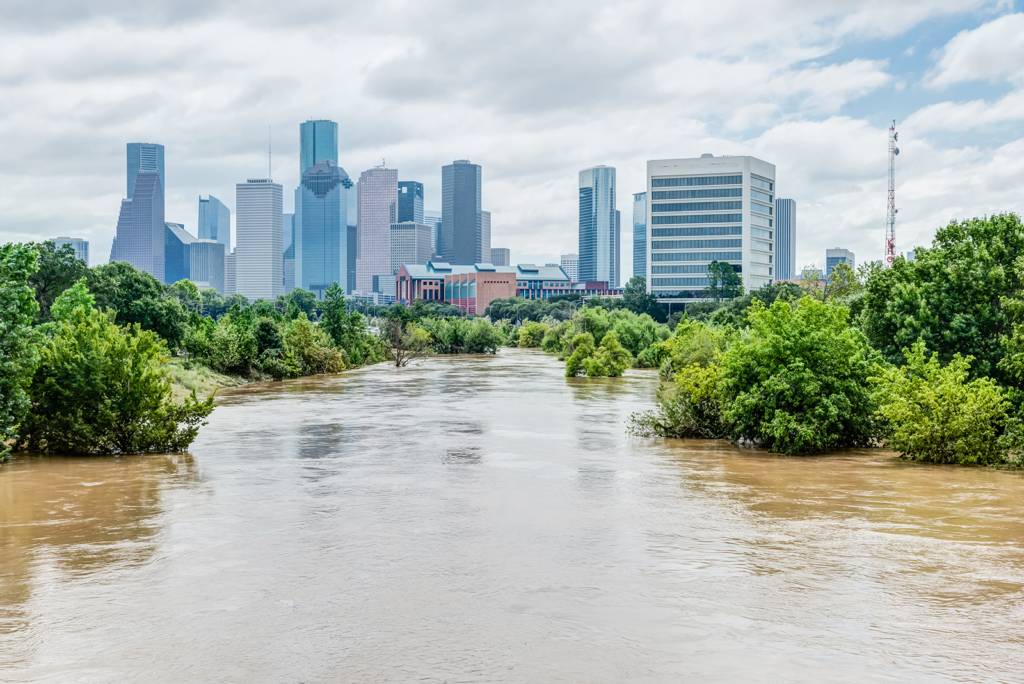
Houston: Floods and Extreme Heat
Houston regularly faces both flooding and extreme heat. Storms like Hurricane Harvey brought record rainfall, overwhelming infrastructure. At the same time, rising temperatures mean more days of dangerous heat each year. The city is investing in flood control and infrastructure, but risks remain high.
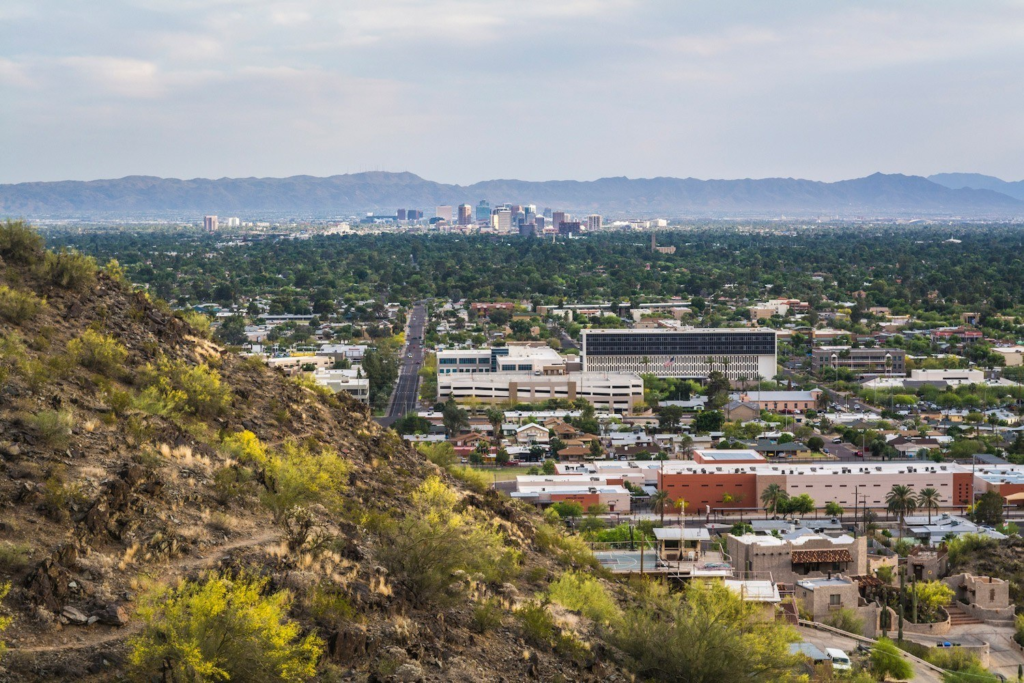
Phoenix: Heat and Water Shortages
Phoenix is dealing with extreme heat and long-term drought. Its water supply depends heavily on the Colorado River, which has seen declining flow over time. Water cuts and conservation efforts are already in place, and residents are adjusting to hotter conditions and limited resources.
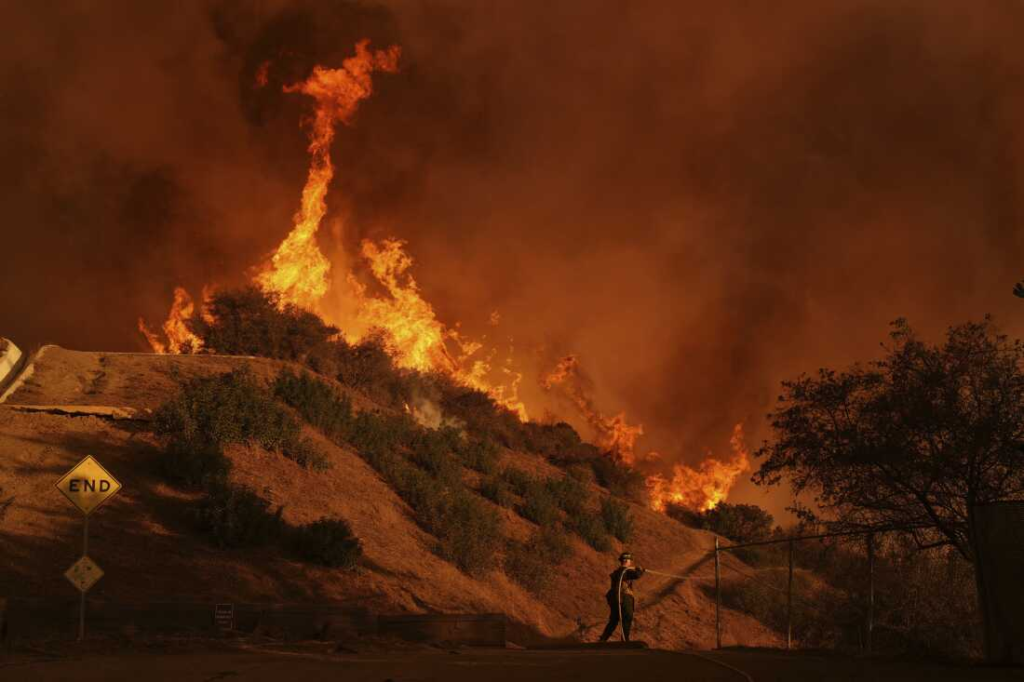
Los Angeles: Increasing Wildfire Danger
Los Angeles faces growing wildfire risks due to prolonged droughts and rising temperatures. Fires like the Bobcat Fire highlight how quickly large areas can be affected. Fire seasons are getting longer, and more communities are at risk each year despite improved firefighting strategies.
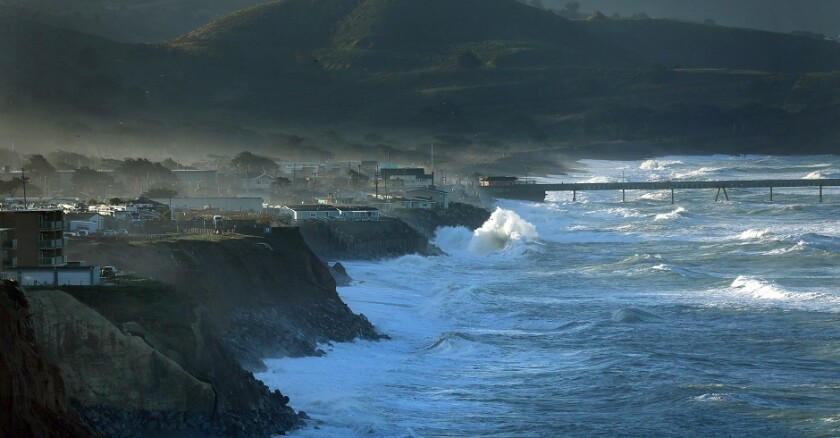
San Francisco: Coastal Flooding and Erosion
San Francisco is dealing with rising sea levels and coastal erosion. Waterfront areas are already experiencing flooding, and infrastructure like seawalls may not be enough in the long run. Storm surges and ocean rise continue to pose serious risks to homes and businesses.
Charleston: Historic City Under Threat
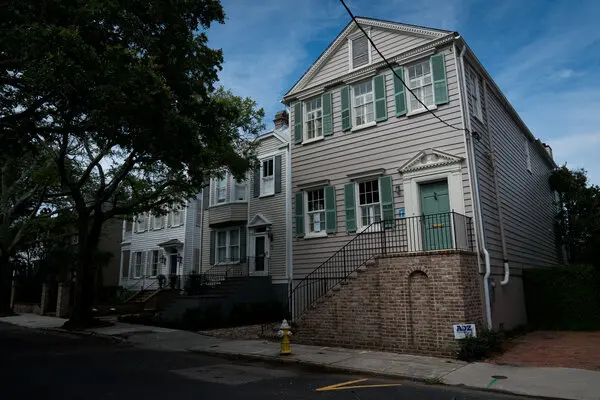
Charleston is increasingly affected by flooding and hurricanes. Low-lying streets often flood, and stronger storms are causing more damage each year. While the city is improving drainage and building barriers, its historic areas remain highly vulnerable.
Norfolk: Frequent Flooding Challenges
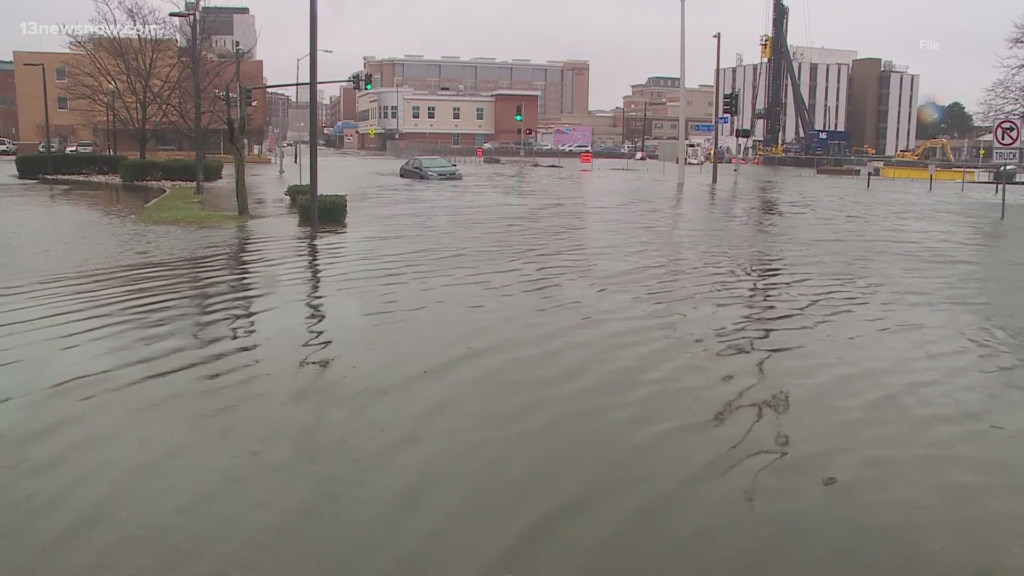
Norfolk experiences regular flooding due to rising tides and storm surges. The number of flood days has increased significantly over the decades, affecting both civilian areas and military infrastructure. Efforts like seawalls and flood defenses are underway, but the threat continues to grow.
Chicago: Inland but Not Immune
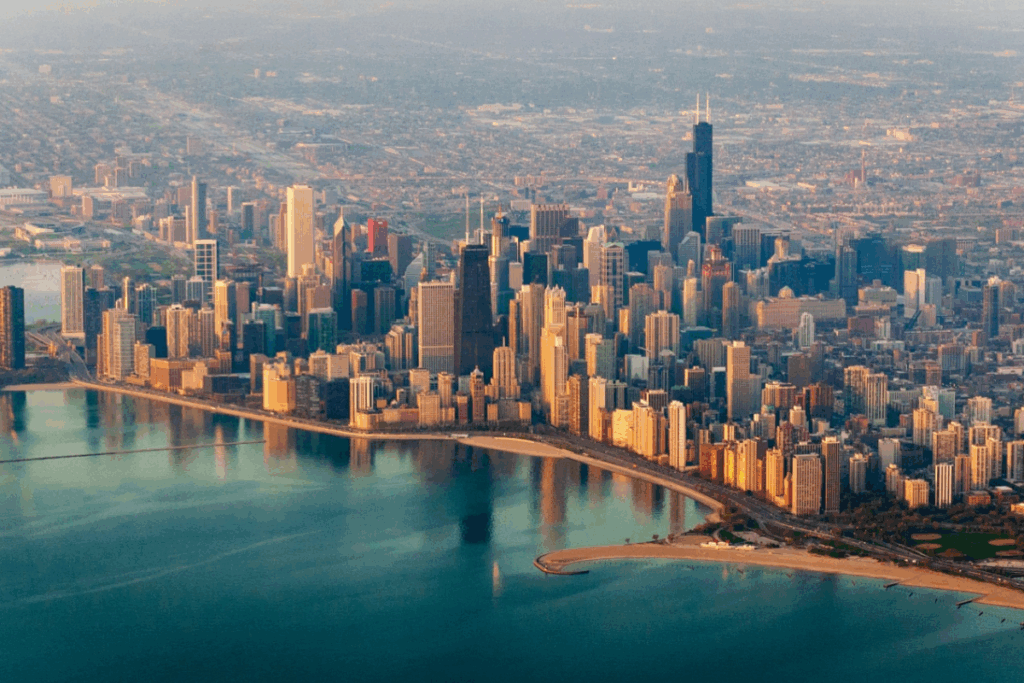
Chicago shows that even inland cities are not safe from extreme weather. Powerful storms, heavy rainfall, and heatwaves are becoming more common. Changes in Lake Michigan’s water levels have also contributed to flooding, pushing the city to upgrade its stormwater systems.
New York City: Storms, Flooding, and Heat
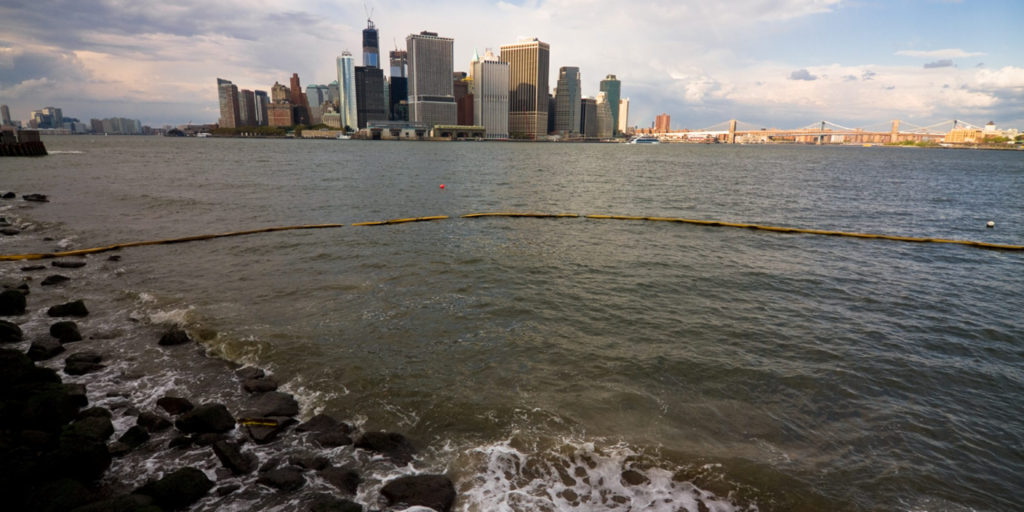
New York City faces multiple threats, including rising seas, hurricanes, and heatwaves. Hurricane Sandy flooded large parts of the city, and similar risks remain today. Efforts like seawalls and flood barriers are ongoing, but the scale of the challenge continues to grow.
The Bigger Picture
Across the country, the pattern is clear. Coastal cities are battling rising seas, inland cities are facing stronger storms and heat, and western regions are dealing with drought and wildfires. While many cities are investing in infrastructure and resilience, the pace of climate change means the risks are increasing faster than ever.