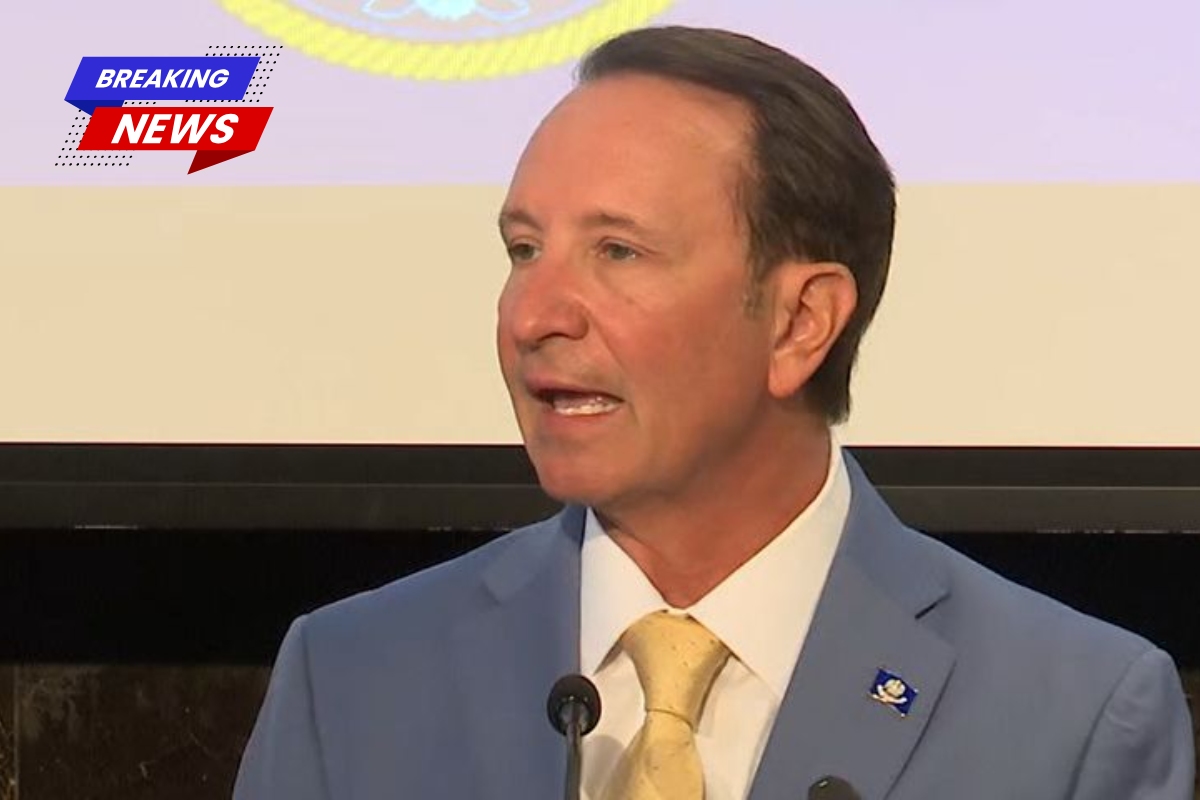
Louisiana Governor Jeff Landry has vetoed a bill that would have increased compensation for people who were wrongfully convicted and imprisoned. The decision has sparked criticism from criminal justice advocates, who argue that the measure would have provided fairer compensation for individuals who lost years of their lives due to wrongful convictions.
Governor Jeff Landry Vetoes Wrongful Conviction Compensation Bill
Governor Jeff Landry vetoed Senate Bill 125 on Wednesday, despite the measure receiving unanimous approval from both the Louisiana House and Senate.
The legislation sought to increase the maximum number of years for which wrongfully convicted individuals could receive state compensation.
Under current Louisiana law, people who are exonerated can receive up to $40,000 per year for a maximum of 10 years, regardless of how long they were actually imprisoned.
The proposed bill would have extended that compensation period from 10 years to 15 years.
Current Compensation Limits Remain in Place
As the law currently stands, wrongfully convicted individuals can receive compensation totaling up to $400,000 over a decade.
Supporters of SB 125 argued that the existing cap fails to adequately compensate people who spent significantly longer periods behind bars for crimes they did not commit.
The legislation would not have increased the annual payment amount but would have allowed eligible individuals to receive compensation for up to five additional years.
Advocates said the change would have better reflected the harm suffered by those who lost decades of their lives due to wrongful convictions.
Landry Cites Budget and Taxpayer Concerns
In his veto message, Landry argued that expanding compensation payments would place additional financial burdens on taxpayers.
The governor stated that Louisiana faces competing priorities, including education funding and support for working families struggling with rising living costs.
He also referenced the failure of Amendment 3 during the May election, a proposal that would have funded permanent teacher pay raises through changes to education-related trust funds.
According to Landry, increasing compensation payments was difficult to justify while teachers did not receive the salary increases many had hoped for.
Governor Raises Concerns About System Abuse
Landry also expressed concerns about what he described as weaknesses in the compensation process.
He argued that the bill lacked safeguards designed to prevent fraudulent or duplicate claims.
The governor specifically pointed to cases in Orleans Parish where some individuals who received state compensation also obtained financial settlements through separate federal lawsuits.
According to Landry, lawmakers should address those concerns before expanding the compensation system.
The governor suggested that additional reforms are needed to ensure accountability and protect taxpayer funds.
Advocates Strongly Criticize Veto
The veto drew criticism from criminal justice reform advocates.
Jee Park, Executive Director of Innocence and Justice Louisiana, described the decision as disappointing and harmful.
Advocates argue that wrongfully convicted individuals often face enormous challenges after their release, including lost income, damaged reputations, emotional trauma, and difficulties rebuilding their lives.
Supporters of the bill maintain that compensation is one of the few ways the state can attempt to address the harm caused by wrongful imprisonment.
They contend that extending the compensation period would have provided more meaningful support to exonerees.
Debate Over Actual Cost of Bill
One of the central disagreements surrounding the legislation involves its projected cost.
Landry stated that lawmakers were initially told the bill would cost approximately $4.3 million.
However, he argued that the actual financial impact could approach $9 million over the next five years.
The governor pointed to an estimated 20 to 25 pending petitions that could immediately qualify for increased compensation if the bill became law.
Supporters of the legislation dispute suggestions that the financial burden would be excessive compared to the harm suffered by wrongfully convicted individuals.
Louisiana Remains Behind Many States
According to Innocence and Justice Louisiana, the state already provides less compensation than many other jurisdictions.
The organisation notes that 29 states and Washington, D.C., do not impose limits on the number of years for which a wrongfully convicted person can seek compensation.
Advocates argue that Louisiana’s existing cap places it behind national standards for supporting exonerees.
Supporters of reform believe the state should offer compensation that more accurately reflects the years lost due to wrongful imprisonment.
Legislature Could Override Veto
Although the governor has vetoed SB 125, the proposal is not necessarily dead.
The bill will return to the Louisiana Legislature, where lawmakers have the authority to override the governor’s decision.
To do so, supporters would need to secure a two-thirds majority vote in both the House and Senate.
Given that the legislation originally passed unanimously, attention will now focus on whether lawmakers are willing to challenge the governor and attempt an override.
The outcome could determine whether compensation rules change in the coming months.