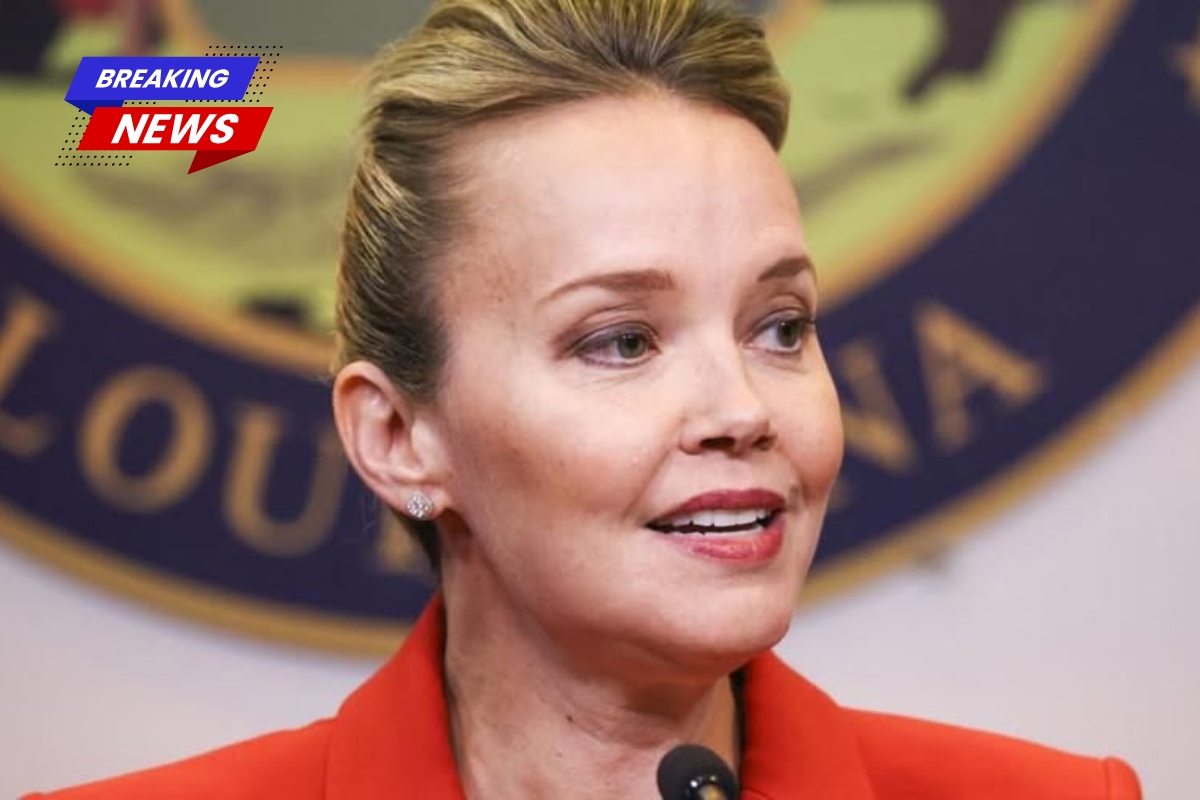
New Orleans Mayor Helena Moreno entered office promising to use her experience in Louisiana politics to strengthen the city’s position in Baton Rouge.
However, the recently concluded legislative session highlighted both the opportunities and challenges facing New Orleans as Republican lawmakers pushed through several measures opposed by city leaders while also approving some of Moreno’s key priorities.
Helena Moreno Faces Difficult Legislative Session
Mayor Helena Moreno has frequently pointed to her eight years in the Louisiana Legislature as evidence that she understands how to navigate state politics and advocate for New Orleans.
That experience was tested during the latest legislative session, which ended Monday after months of debate over issues affecting the city.
While Moreno secured victories on infrastructure funding and local government priorities, state lawmakers also approved several controversial measures that many New Orleans officials strongly opposed.
The session demonstrated the ongoing political tensions between New Orleans and the Republican-controlled state government.
City Secures Key Legislative Victories
Moreno celebrated the passage of all ten priorities included in her administration’s legislative agenda.
One of the most significant achievements involved reforms to the Sewerage & Water Board. New legislation gives the New Orleans City Council expanded authority over the utility’s budget, personnel decisions, and funding matters.
The city also gained approval for higher 911 service surcharges on mobile phone bills. Officials believe the additional revenue will help ease financial pressure on local emergency communication systems.
Lawmakers additionally approved approximately $11.5 million for major infrastructure projects, including improvements to Sewerage & Water Board treatment facilities, the Municipal Auditorium, and Lincoln Beach.
These projects are viewed as important investments in the city’s future development.
Sewerage & Water Board Reform Marks Major Win
Among Moreno’s most notable accomplishments was securing legislation aimed at increasing local oversight of the Sewerage & Water Board.
The utility has long faced criticism over drainage problems, billing issues, infrastructure failures, and management concerns.
The new legislation gives city leaders greater influence over how the utility operates and manages its finances.
Following the bill’s passage, Moreno established a working group to begin examining how the city can implement the new authority effectively.
Supporters see the measure as a significant step toward improving accountability.
Legislature Advances Controversial Measures
Despite those victories, lawmakers also approved several high-profile bills that generated strong opposition in New Orleans.
One major issue involved judicial restructuring. Legislators reduced the number of judgeships in New Orleans and consolidated court-related offices.
The changes sparked criticism from local officials who argued that New Orleans residents should have more control over decisions affecting their judicial system.
Many community leaders viewed the measures as another example of state government intervention in local affairs.
Redistricting Debate Raises Concerns
Another controversial issue involved congressional redistricting.
State lawmakers approved new district maps that many critics argue reduce Black political representation and weaken Democratic influence.
Moreno publicly criticised the redistricting effort, saying it diminished the political power of New Orleans voters.
Supporters of the city worry that reduced representation could make it harder for New Orleans to secure support for future legislative priorities.
The issue remains one of the most politically sensitive developments of the session.
Homelessness Law Sparks Opposition
Lawmakers also approved legislation making it a crime to sleep outdoors in certain circumstances.
The measure faced opposition from New Orleans officials, housing advocates, and organisations working to address homelessness.
Critics argued that criminalising homelessness does not solve the underlying problems that cause people to live on the streets.
Supporters of the legislation maintained that it was necessary to address public safety and quality-of-life concerns.
The debate reflected broader disagreements between state and local leaders on policy approaches.
Political Challenges Remain Significant
Political analysts say Moreno’s successes must be viewed within the context of Louisiana’s current political landscape.
Republicans hold strong majorities in the Legislature and control many key decision-making positions across state government.
Dillard University political analyst Robert Collins noted that partisan divisions have become much stronger than when Moreno first served in the Legislature.
As a result, New Orleans leaders face greater challenges when trying to block legislation they oppose.
The city’s influence in Baton Rouge has diminished as Republican power has expanded.
New Orleans Delegation Faces Transition Period
Another factor affecting the city’s influence is the recent turnover among New Orleans lawmakers.
Several experienced legislators have left office in recent years and were replaced by first-term representatives.
Political observers say that experience matters when negotiating complex legislation and building alliances within the Capitol.
The transition has temporarily reduced the city’s political leverage at a time when major policy battles are taking place.
Local lawmakers argue that the situation makes New Orleans more vulnerable to legislation targeting the city.
Balancing Cooperation and Opposition
Political experts believe Moreno faces a difficult balancing act.
On one hand, she must work with state leaders to secure funding and support for city projects. On the other hand, she must defend New Orleans when legislation threatens local interests.
Some analysts argue that aggressively confronting state leaders could jeopardise future cooperation and funding opportunities.
Others believe city officials must take stronger public positions against measures they view as harmful.
Moreno’s administration continues to navigate that delicate political reality.
Future Battles Likely Ahead
The recent session suggests that tensions between New Orleans and state leaders are unlikely to disappear anytime soon.
Issues involving local autonomy, representation, criminal justice, homelessness, and infrastructure are expected to remain central topics in future legislative sessions.
As New Orleans continues facing financial and population challenges, city leaders will likely need to strengthen alliances and expand their influence in Baton Rouge.
Those efforts may become increasingly important as state lawmakers continue shaping policies that directly affect the city.