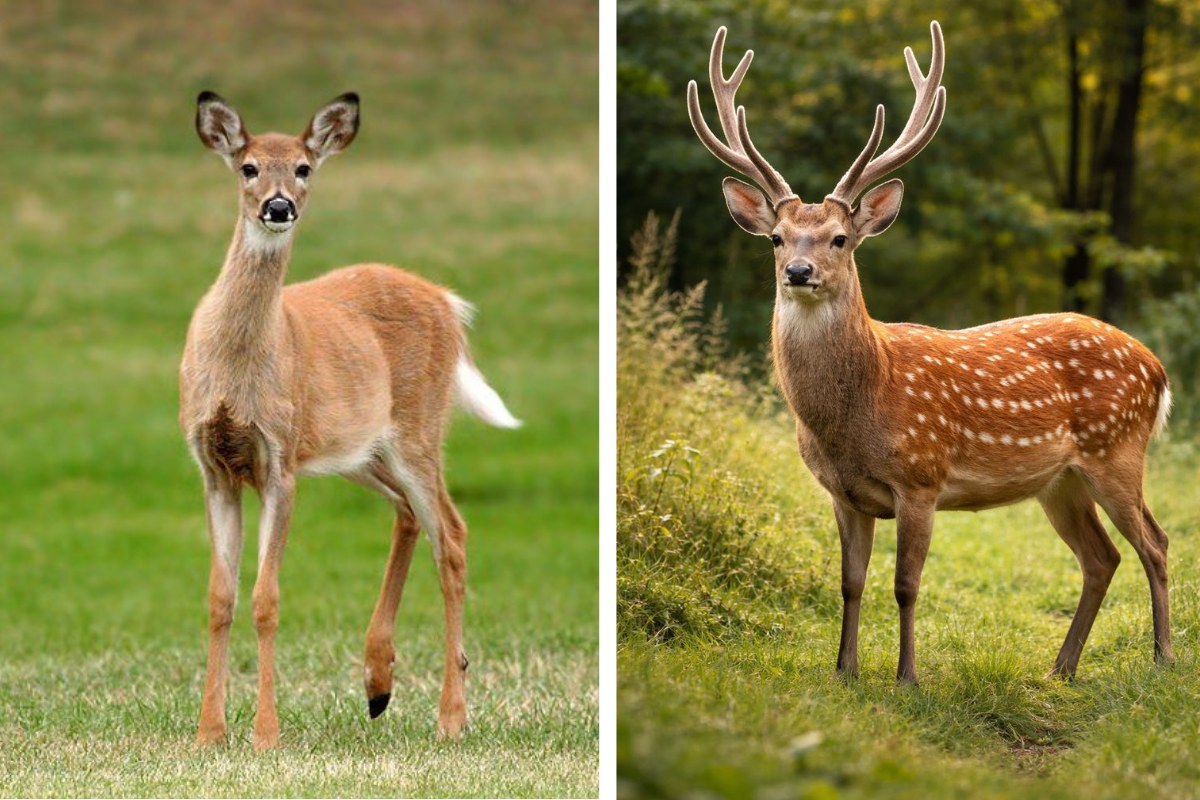
Unlike many other states, Texas does not prohibit feeding deer at the state level. In Texas, deer may be fed year-round according to wildlife management information. This stands in contrast to twenty-two other states that have implemented partial or total bans on feeding or baiting deer.
The Texas Parks and Wildlife Department permits supplemental feeding as a wildlife management practice, and many ranches maintain deer feeders from October through December to attract deer to hunting blinds during hunting season. Texas Trophy Hunters Association notes that deer generally need a diet containing sixteen percent protein, though requirements vary throughout the year.
Local Ordinances Often Prohibit Feeding
Despite permissive state law, individual cities and towns in Texas can prohibit deer feeding through local ordinances. Any city or town may by ordinance prohibit the feeding of deer within its jurisdiction. The City of Lakeway passed an ordinance making it illegal to place wheat, pelleted livestock food, corn in any form, fruit, vegetables, hay, alfalfa, human food scraps, or any commercially sold wildlife feed where deer can consume it.
Violating this ordinance constitutes a Class C misdemeanor punishable by fines ranging from one dollar to five hundred dollars. Fair Oaks Ranch similarly made feeding deer illegal and against city ordinance within city limits.
New Braunfels enacted a wildlife feeding prohibition ordinance that covers all wildlife including deer. Residents must check local ordinances before feeding deer, as approximately forty counties in Texas have regulations restricting or prohibiting deer feeding.
Health Risks Why Officials Discourage Feeding
The Texas Parks and Wildlife Department has issued statements against feeding deer for several important reasons despite the practice being legal at the state level. Feeding stations become concentrated areas where pathogens, parasites, and toxins can spread rapidly among deer populations. Bags of deer corn can contain aflatoxin and mycotoxin that kill deer and birds before the contamination is recognized.
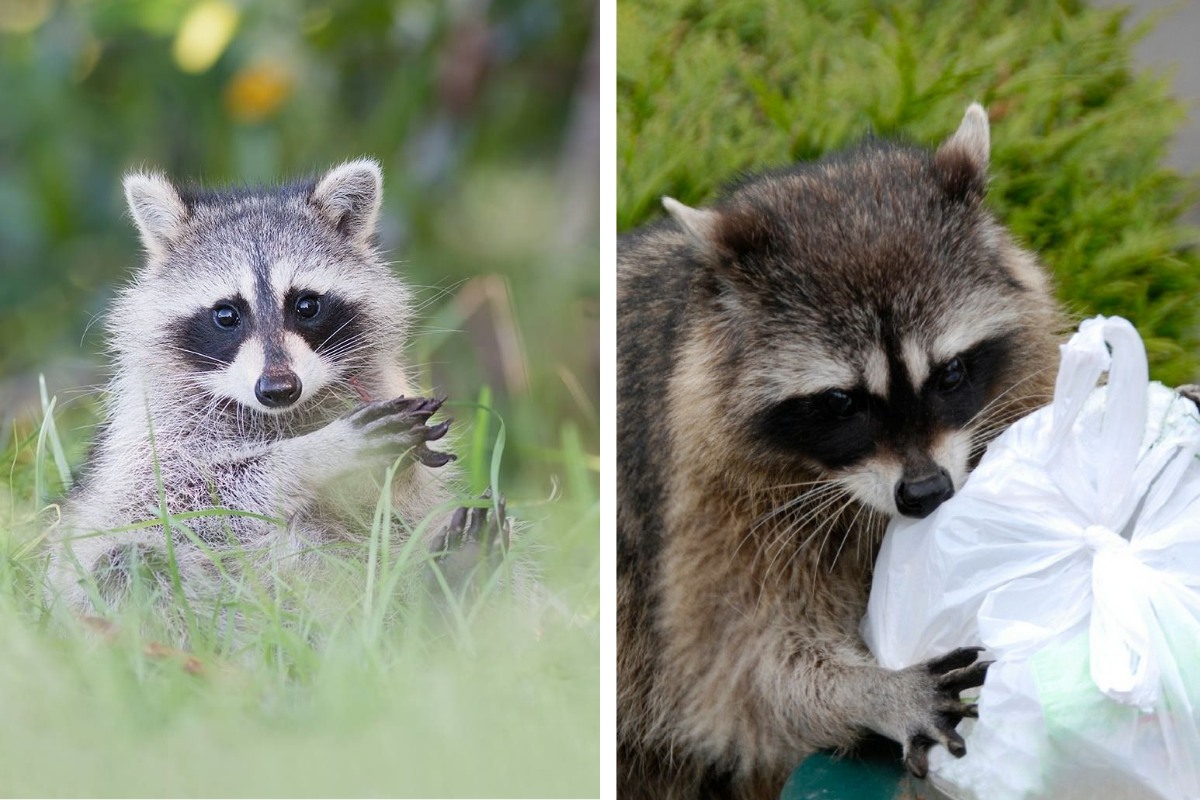
Feeding areas also attract raccoons, skunks, rodents, and other critters that bring additional parasites and nuisance issues for humans. In Texas’s warmer climate, well-fed deer convert excess calories into more fawns, causing herd sizes to increase beyond what available land can support. This overpopulation compounds problems as fewer natural resources remain for more mouths to feed.
Safety Concerns and Negative Human Interactions
Feeding deer makes them less wary of humans and encourages congregation in specific areas. This congregation increases the chance of vehicle collisions and creates friction with neighbors who may not appreciate deer in their neighborhoods. Negative interactions with people represent the greatest danger to deer, yet continued feeding worsens this risk.
Animal Control Officers in various Texas communities report that their primary concern involves rescuing deer from dangerous situations created when residents invite deer into backyards. The City of Lakeway emphasizes that deer are wild animals, not pets, and feeding hurts them more than it helps. Corn provides no nourishment to deer, comparable to giving a toddler a plateful of candy.
Proper Wildlife Management Approach
Experts encourage Texans not to feed wildlife of any kind because animals are wild for a reason and Mother Nature cares for them. If you genuinely admire deer, the best approach involves leaving them be and allowing natural foraging behaviors. When finding a fawn, people should leave it where found since does place fawns in locations they consider safe and rejoin the herd later.
Following local ordinances and not feeding deer helps reduce potential negative interactions in residential areas and encourages deer to maintain their normal diet. Supplemental feeding may have legitimate wildlife management applications on private ranches, but residential feeding typically creates more problems than it solves for both deer and human communities.
SOURCES:
- https://www.lakeway-tx.gov/1916/Feeding-the-Deer—PLEASE-DONT
- https://feedbandit.com/where-you-can-and-cant-feed-deer/