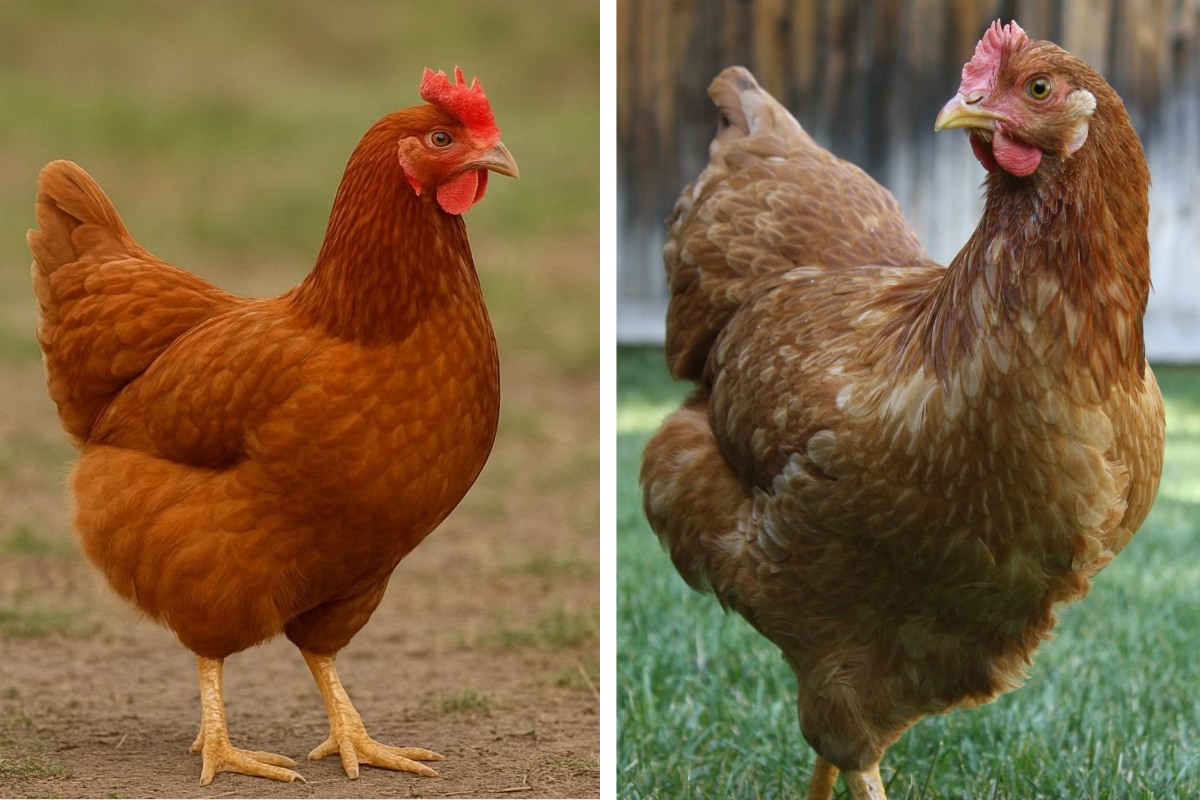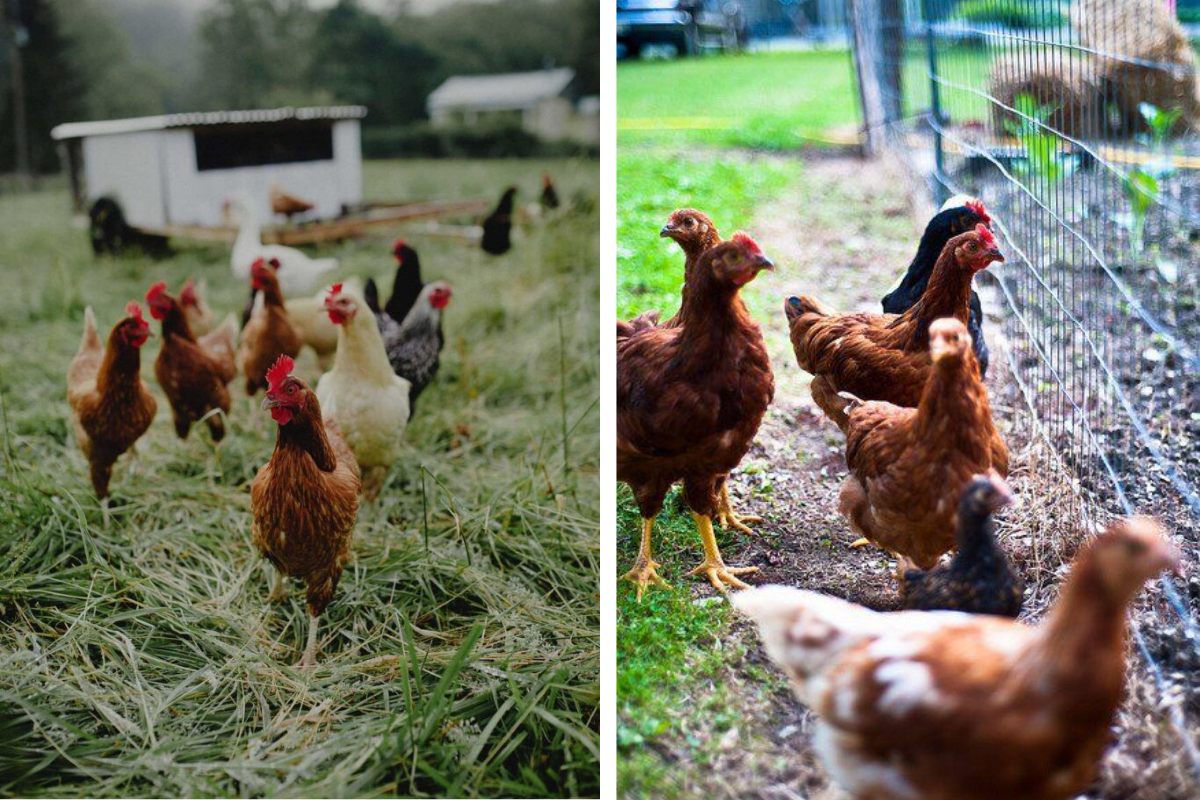
Yes, you can keep backyard chickens in Alaska, but there is no single statewide rulebook. Alaska has no statewide ban on backyard flocks and no fixed statewide flock cap, so the details of how many hens you can keep, whether roosters are allowed, whether you need a permit, and where your coop must be placed are all set by your borough, city, or municipality.
Statewide Framework and What the State Actually Regulates
The Alaska Department of Environmental Conservation (DEC) handles animal health, disease management, and commercial poultry oversight, but it does not set backyard flock sizes or rooster bans for residential properties.
That means health and disease rules are state-level, while zoning, permits, flock limits, and coop placement are local. In rural and unincorporated areas, rules are often very permissive with few or no numeric limits and roosters allowed on acreage, as long as you follow general nuisance rules.
How Many Chickens Can You Keep in Alaska Cities?
In urban areas, flock limits are usually tied to lot size and are expressed in hens rather than total birds. In Anchorage, you are permitted up to five chickens on lots 6,000 square feet or less, and for each additional animal you need an extra 1,000 square feet of area.
Juneau typically allows up to six hens with possible permit requirements in denser areas, while Fairbanks often allows eight to twenty hens depending on zoning and lot size. On Kenai Peninsula, Soldotna allows hens on smaller lots with typical limits around ten hens and Kenai allows up to twelve hens on lots of at least 20,000 square feet in certain zones. Rural boroughs such as Bethel and Nome are highly permissive and often have no numeric limits at all.
Roosters Are Usually Banned in Cities but Allowed in Rural Areas
Most urban Alaska municipalities ban roosters because of noise. Anchorage, Juneau, Soldotna, Ketchikan, and Kodiak all prohibit roosters in residential areas.
Roosters are more commonly allowed in rural areas and in parts of Fairbanks where properties are larger and noise is less of a neighbor issue. This means if you want a rooster, you are far more likely to be legal in an unincorporated or rural setting than in a city.
Permits, Setbacks, and Coop Placement Rules
There is no statewide permit requirement for backyard chickens, but some cities require local registration or permits, especially in denser areas. In Anchorage, typical backyard chicken keeping does not require a permit for small flocks, but structures must meet zoning setbacks and be at least ten feet from any lot line.
Most boroughs and cities require coops to be in the rear or side yard with setbacks of ten to twenty-five feet from property lines or neighboring homes, and some require buffer landscaping or specific orientation of hive or coop entrances away from adjacent properties. Coops are considered accessory structures, so you may need a building permit for larger structures and must comply with local zoning on size and placement.
Alaska-Specific Challenges: Cold, Predators, and Nuisance Rules
Alaska’s extreme cold means coops must be heavily insulated, well-ventilated yet draft-free, and winterized with deep-litter bedding, heated waterers, and sometimes supplemental lighting to maintain egg production during short winter days.
Predators are a serious concern, with bears, eagles, hawks, foxes, lynx, wolves, ravens, and loose dogs all posing risks, so secure, elevated coops, buried wire mesh, electric fencing, and heavy-duty locks are essential. Noise and sanitation complaints can trigger local nuisance enforcement, and chronic noise from animals is not permitted in Anchorage.
Selling Eggs and Homeowners Association Rules
Small-scale, direct-to-consumer egg sales are generally exempt under Alaska’s cottage food-style rules, but you must label eggs with your name and address, mark them as ungraded, and keep them refrigerated at 45°F or below.
Even if your borough or city allows chickens, a homeowners association can still restrict or ban them through its covenants, so you must check HOA rules in addition to municipal codes.
SOURCES:
- https://www.omlet.us/guide/chickens/laws_about_keeping_chickens/alabama_alaska_arizona_arkansas/
- https://alaskapublic.org/news/2011-07-06/backyard-chicken-keeping-gains-momentum-in-anchorage