A former Minnesota funeral director has been sentenced to jail after admitting that he disposed of a deceased woman’s body in a wooded area rather than carrying out the cremation requested by her family.
The case remained unsolved for nearly two decades until advances in DNA technology helped identify the remains, revealing a shocking breach of trust that left a family searching for answers.
Former Funeral Director Sentenced in Long-Unsolved Case
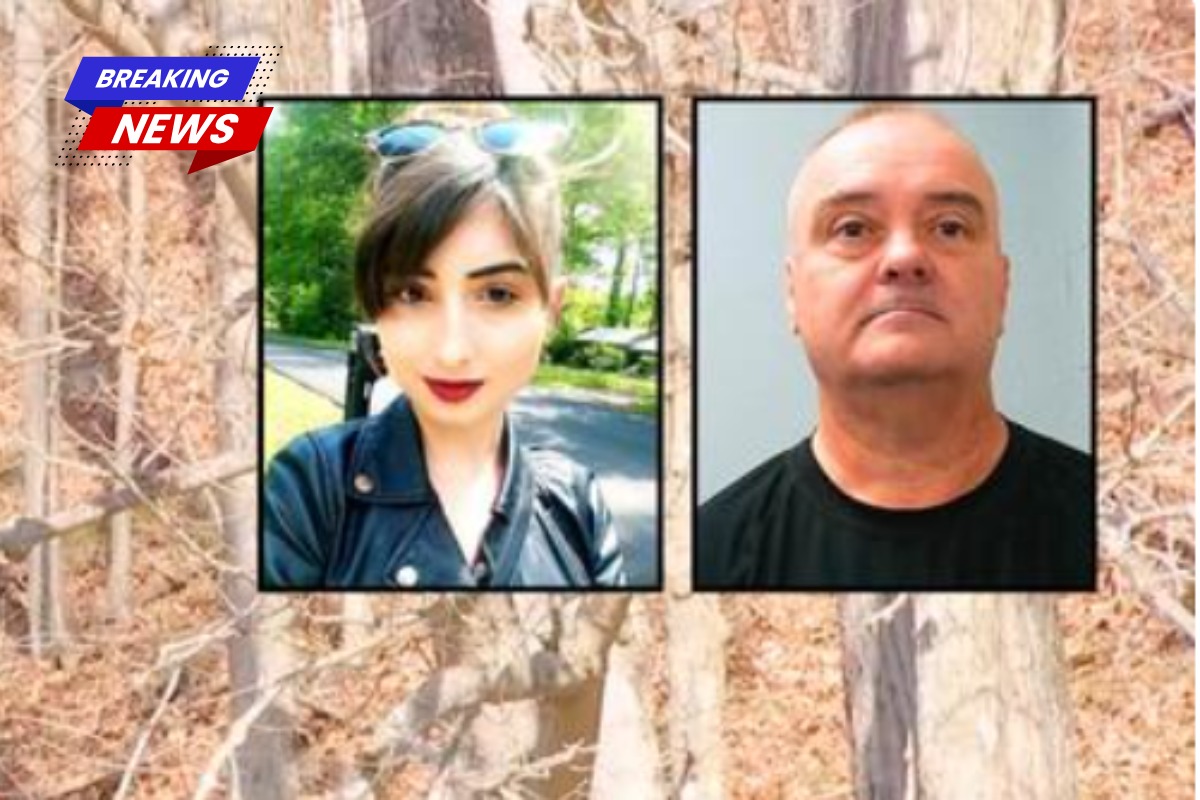
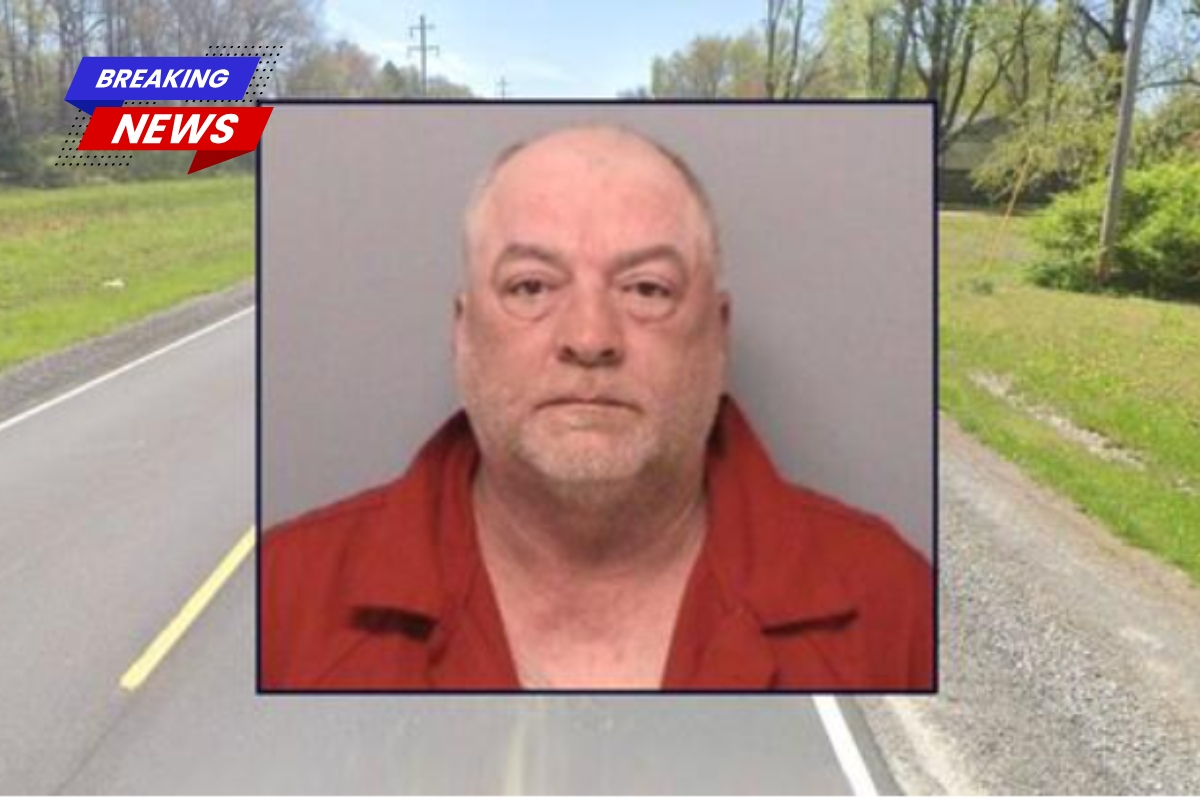
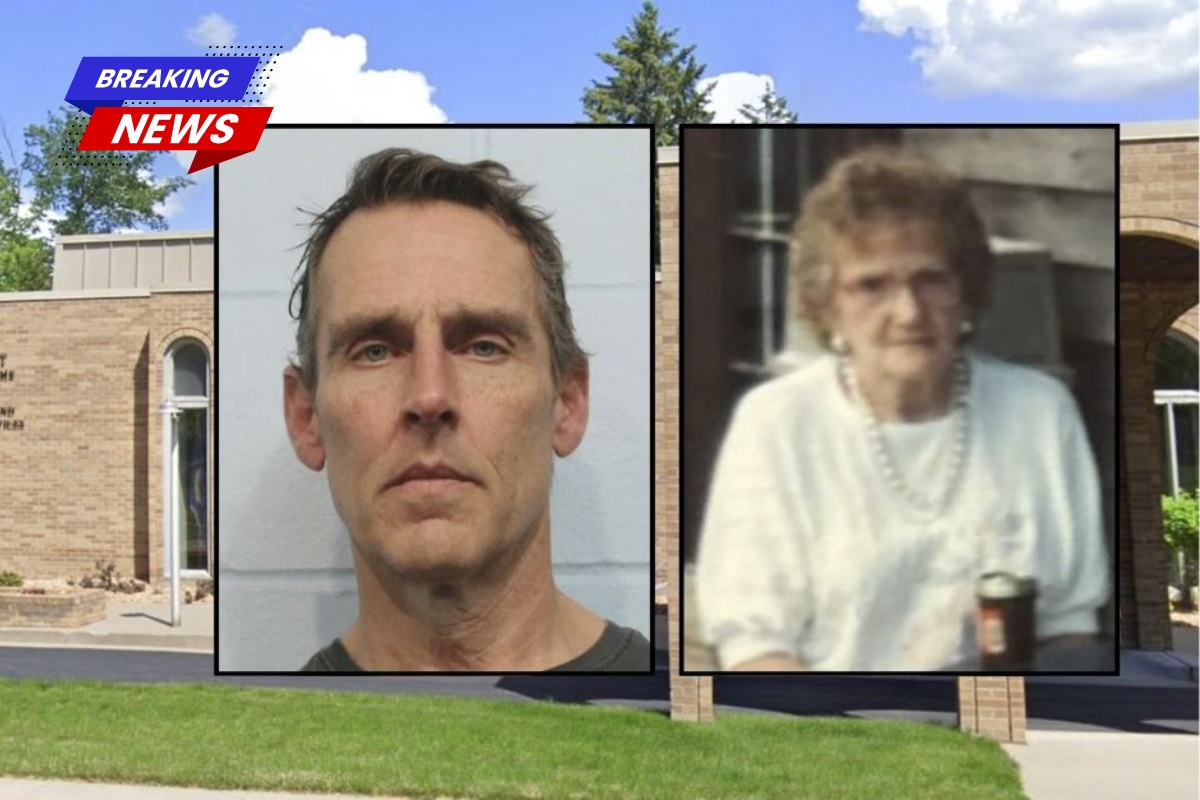
Benjamin Hanson, 57, has been sentenced to 90 days in jail after pleading guilty to hiding a corpse. The conviction stems from the discovery of human remains in Wisconsin in 2002 that were later identified as belonging to Alyce Peterson, a 92-year-old Minnesota woman who died in July 2001.
Hanson worked as a funeral director at Simonet Funeral Home in Stillwater, Minnesota, at the time of Peterson’s death. He had been responsible for handling her cremation after her family entrusted the funeral home with her remains.
The case remained a mystery for years until modern DNA testing helped investigators uncover the truth.
Human Remains Discovered by Boy Scouts
The investigation began on October 19, 2002, when a group of Boy Scouts discovered a garbage bag containing human remains in a wooded area near Houlton, Wisconsin.
Among the remains was a skull, but investigators were unable to identify the victim at the time. The case eventually went cold due to a lack of leads and available forensic technology.
For nearly two decades, authorities had no way of knowing who the remains belonged to or how they ended up in the remote location.
DNA Technology Solves Decades-Old Mystery
The breakthrough came in 2021 when the DNA Doe Project used advanced genetic genealogy techniques to identify the remains as those of Alyce Peterson.
Peterson had died in Minnesota in 2001, and official records indicated that her body had been cremated shortly after her death.
The identification stunned investigators because Peterson already had a death certificate and had supposedly been cremated years earlier.
Experts involved in the case described the situation as highly unusual and unlike anything they had previously encountered.
Family Believed They Received Loved One’s Ashes
Following Peterson’s death, her family was provided with ashes they were told belonged to her.
However, investigators have never confirmed whether those ashes were actually Peterson’s remains. The discovery of her skull in Wisconsin raised serious questions about what happened after her death and whether her family ever received her true remains.
The uncertainty has added another painful dimension to a case that has already left many unanswered questions.
Investigation Focused on Funeral Director
After Peterson’s remains were identified, investigators examined records from Simonet Funeral Home and discovered that Hanson had been responsible for handling her cremation.
Court documents revealed that Hanson experienced significant personal and professional problems during the period when Peterson’s funeral arrangements were being carried out.
Former coworkers told investigators that Hanson appeared to be struggling emotionally and was behaving erratically during the summer of 2001.
One colleague reportedly described him as “going off the deep end” during the same period he was responsible for Peterson’s case.
Troubled Employment History Emerged
Investigators learned that Hanson was fired from the funeral home in 2002 after allegations that he had stolen from the business.
Court records also revealed that a harassment complaint was filed against him after accusations that he attempted to intimidate the employee who replaced him. Although a harassment order was sought, it was ultimately denied.
These details became part of the broader investigation into what happened to Peterson’s remains.
Mystery Surrounds Missing Remains
Despite the identification of Peterson’s skull, many aspects of the case remain unresolved.
Medical experts determined that the skull appeared to have been separated from the body using a handsaw. Authorities have not publicly explained how Peterson’s remains ended up in Wisconsin or where the rest of her body may be located.
Investigators also have not provided answers regarding whether additional remains were ever recovered or what happened to the ashes given to the family.
These unanswered questions continue to make the case particularly disturbing.
Court Orders Jail Time and Restrictions
Following his guilty plea, Hanson was sentenced to 90 days in jail.
As part of the sentence, the court also ordered him to take prescribed medication, participate in mental health treatment, and avoid working in the funeral industry in the future.
A theft charge that had also been filed against him was dismissed as part of the legal proceedings.
The sentence closes one chapter of a case that remained unresolved for nearly 20 years.
Case Highlights Power of Genetic Genealogy
The identification of Peterson’s remains demonstrates the growing role of genetic genealogy in solving cold cases.
The same technology that has helped identify unknown victims and solve decades-old crimes was ultimately responsible for revealing what happened to Peterson and exposing conduct that had gone undiscovered for years.
Without advances in DNA analysis, the remains found in Wisconsin may never have been identified.