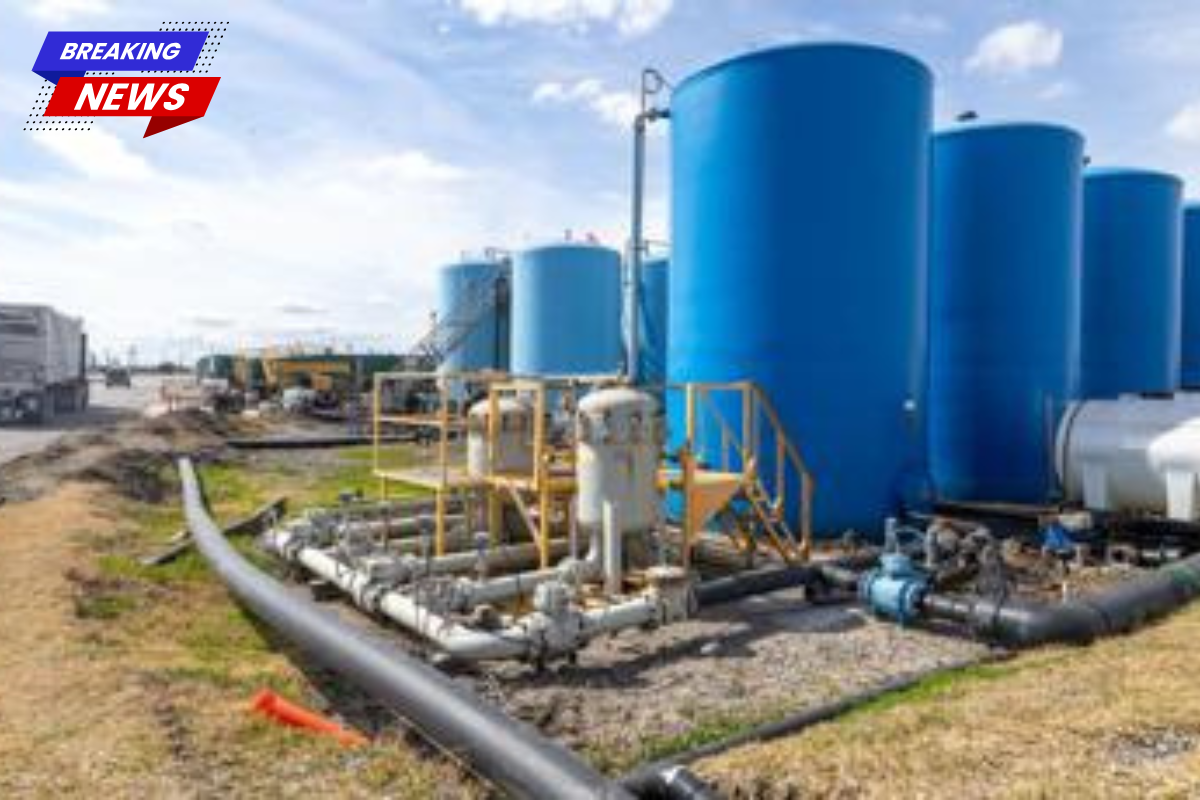
One of Louisiana’s largest waste management companies is pushing for a major expansion of its River Birch landfill in Waggaman, a move that would vastly increase its size and grant it authority to accept trash from across the United States — but only for certain specialized waste tied to renewable energy efforts, the company says.
What the Expansion Would Entail
If approved by the Louisiana Department of Environmental Quality (DEQ), the plan would allow River Birch to expand into a former dump site adjacent to its current landfill. This would more than double the facility’s size:
- Current footprint: Hundreds of acres serving 13 parishes around New Orleans and the Bayou region
- Proposed addition: 351 acres, bringing the total to 710 acres — roughly equivalent to 540 football fields
- Projected height at full capacity: about 195 feet, or enough trash to fill the Superdome nearly 27 times
Company officials argue the expansion is more efficient than finding a new landfill site elsewhere, and note that additional acreage has already been disturbed land.
National Waste Authority — With Limits
The proposed permit would allow River Birch to take in trash from anywhere in the United States. However, company representatives stress that:
- Accepting ordinary municipal waste from outside Louisiana is “off the table.”
- Out‑of‑state waste would only be used as specialized feedstock for renewable energy projects like methane generation, not general garbage.
River Birch estimates that up to 9% of its intake could come from outside the state, mainly from materials such as old tires and plastics that support energy conversion projects.
Renewable Energy and Methane Capture Plans
River Birch says the expanded landfill will support advanced waste‑to‑energy initiatives, including:
- Capturing methane and converting it into pipeline‑quality natural gas
- Producing beverage‑grade carbon dioxide
- Transforming old tires and plastics into natural gas and CO₂
The company has invested tens of millions in gas separation and collection systems that it says achieve near‑complete efficiency and could generate energy for decades.
Local Pushback and Concerns
Residents and local officials have expressed concerns, particularly over odor issues and community impact:
- Over 80 petitions and messages opposing the expansion have been filed with the DEQ.
- Neighbors like Joseph Mendez, who grew up in Waggaman, say they still experience foul odors from nearby landfills and worry expansion will worsen quality of life. “We’re not trash, and this has been enough,” Mendez told regulators.
Even some parish leaders, such as Michelle O’Daniels, protested not being informed that the permit would include national waste acceptance when approving rezoning in 2024.
Support from Other Officials
Not all local officials oppose the idea. Scott Walker said he didn’t see the broader waste designation as a concern, even if he wasn’t aware of it during earlier votes.
Company leaders also argue that using an existing landfill area is preferable to developing a new site that could impact other communities.
Environmental and Regulatory Background
River Birch already operates two other landfill facilities nearby and alternates refuse intake among them for operational efficiency. The proposed permit would also broaden how the landfill handles:
- Demolition and vegetative waste
- Non‑hazardous liquid waste via expanded use of its licensed injection wells
The recent proposal isn’t without history. DEQ has previously fined River Birch — for example, in 2025 the company paid $7,400 over alleged issues with water treatment in 2022 and 2023.
The agency also continues to receive ongoing odor complaints, though methane readings haven’t violated air standards.
Public Hearing Scheduled
A public hearing on the permit is set for April 21 at 6 p.m. at the James C. Simmons Community Center in Avondale, where residents, parish officials, and environmental advocates will have a chance to voice opinions before regulators make a decision.
The proposed expansion of the River Birch landfill would create Louisiana’s largest landfill — potentially one of the largest in the U.S. — and allow national waste intake for specialized renewable energy use.
While the company markets the project as a forward‑thinking solution that reuses disturbed land and supports energy innovation, local residents and some officials remain concerned about community impact, odors, transparency, and environmental implications. The April hearing could be a pivotal moment in determining the project’s future.