Rising flood risks along the United States coastline are becoming a serious concern, with millions of people potentially affected. A new study has revealed alarming numbers, showing how climate change, urban growth, and social conditions are increasing the danger, especially in major cities like New York and New Orleans.
What the Study Reveals About Flood Risk
Researchers from the University of Alabama carried out one of the most detailed studies on flood risk in the U.S. They analysed 16 different factors, including geography, population density, infrastructure, and social vulnerability.
The findings show that around 17.5 million people along the Atlantic and Gulf coasts are at “very high” risk of flooding. Another 17 million people fall into the “high” risk category. This means a large part of the population is exposed to potential flood damage.
The study also looked at extreme flooding events, which are considered the most dangerous. It found that 4.3 million people are at the highest risk from such events, while over 20 million face significant danger.
Why Cities Like New York and New Orleans Stand Out
Among all cities studied, New York City has the highest number of people at risk. Around 4.75 million residents fall into the top two risk categories, and more than 200,000 buildings could be damaged during major flooding.
New Orleans presents a different but equally worrying situation. While the total number of people at risk is lower, about 380,000, this includes nearly the entire population of the city. This means almost everyone there could be affected depending on the severity of a storm.
Role of Climate Change
The study highlights that climate change is a major reason behind increasing flood risks. Rising sea levels, stronger storms, and heavier rainfall are making flooding more frequent and intense.
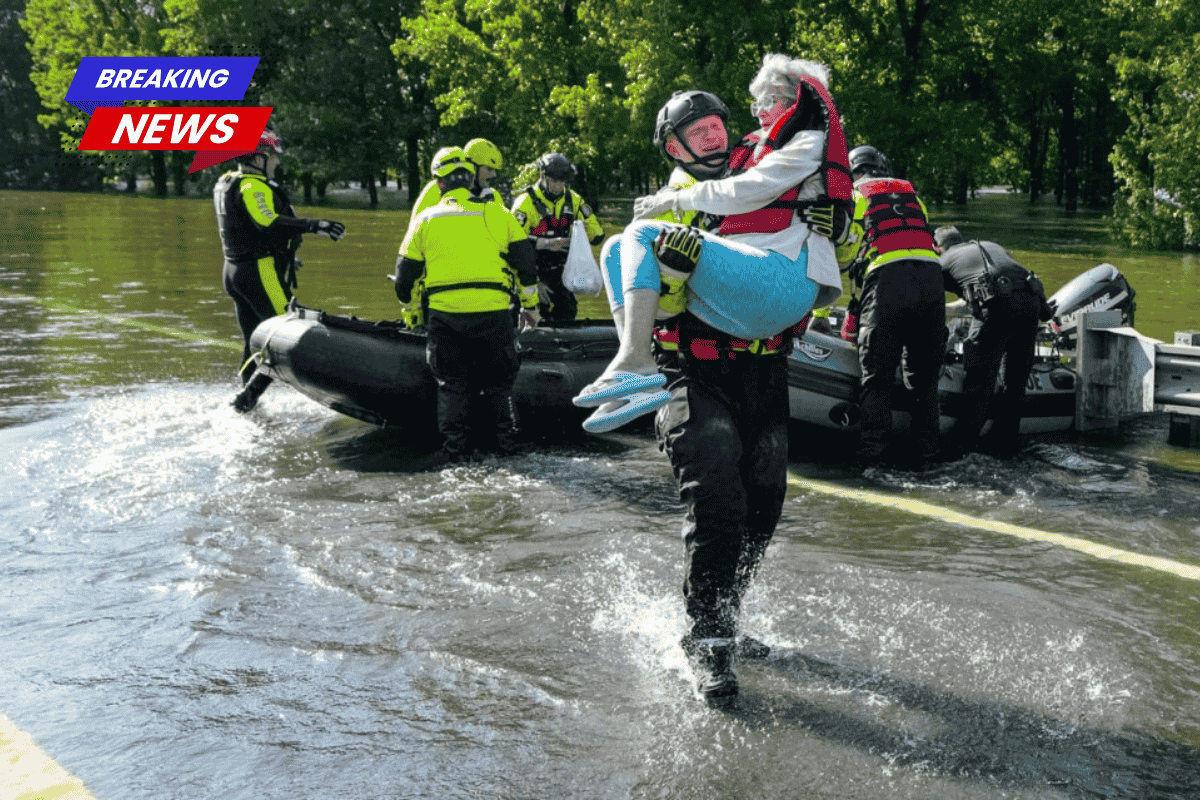
Past disasters like Hurricane Harvey in Houston and Hurricane Katrina in New Orleans show how damaging such events can be. Experts warn that similar or worse events could happen again in the future.
Who Is Most at Risk?
Not everyone is affected equally. The study found that certain groups are more vulnerable, including:
- Elderly people
- Low-income families
- Children
- People with limited education
These groups often have fewer resources to prepare for or recover from disasters, making them more at risk during floods.
Other Cities Facing High Risk
Apart from New York and New Orleans, several other cities also face serious flood threats. These include:
- Jacksonville
- Houston
- Miami
- Norfolk
- Charleston
- Mobile
Each of these cities has hundreds of thousands of people living in areas prone to flooding.
What Makes This Study Different?
Experts say this study stands out because of how detailed it is. It doesn’t just look at water levels or weather patterns but also considers:
- Sinking land (land subsidence)
- Urban construction that blocks water absorption
- Social and economic conditions
This broader approach gives a clearer picture of real-world risks.
How Can Flood Risks Be Reduced?
While the numbers are concerning, experts believe action can reduce the impact of floods. Instead of relying only on dams and barriers, they suggest using natural solutions such as:
- Wetlands
- Grasslands
- Rain gardens
- Estuaries
These methods help absorb excess water and reduce flooding naturally.