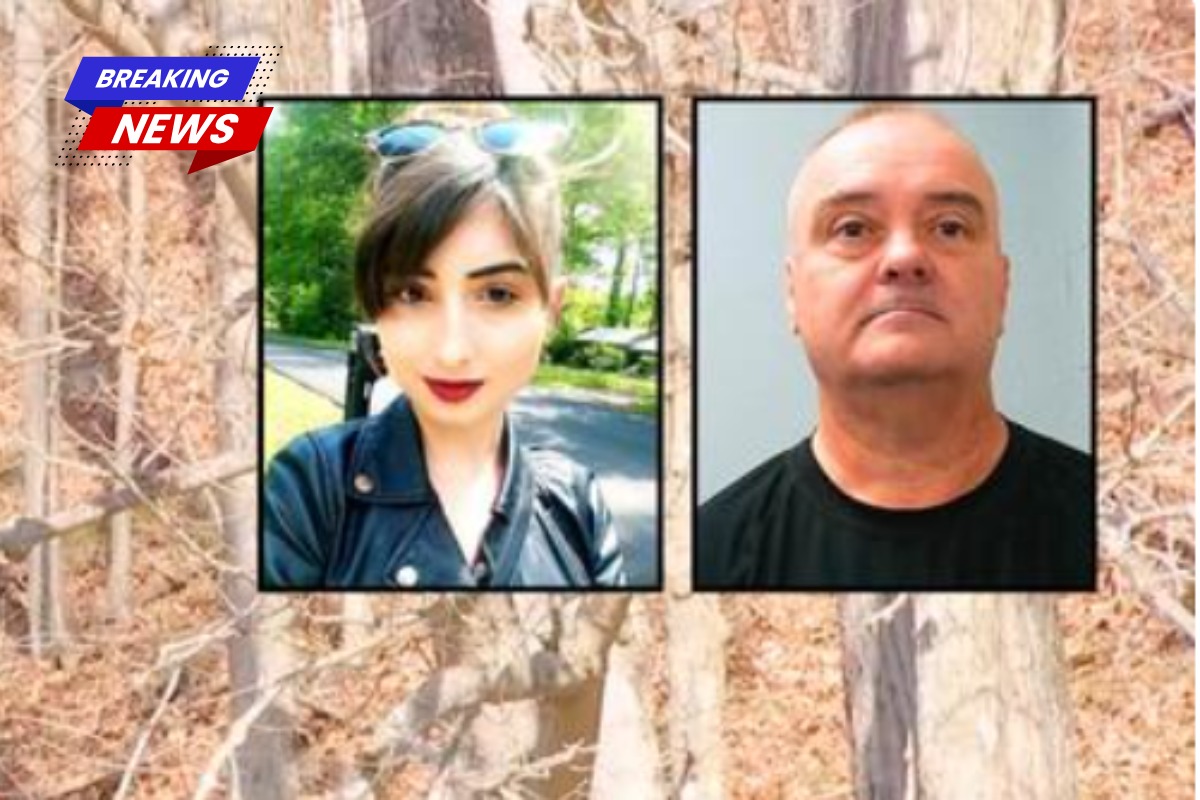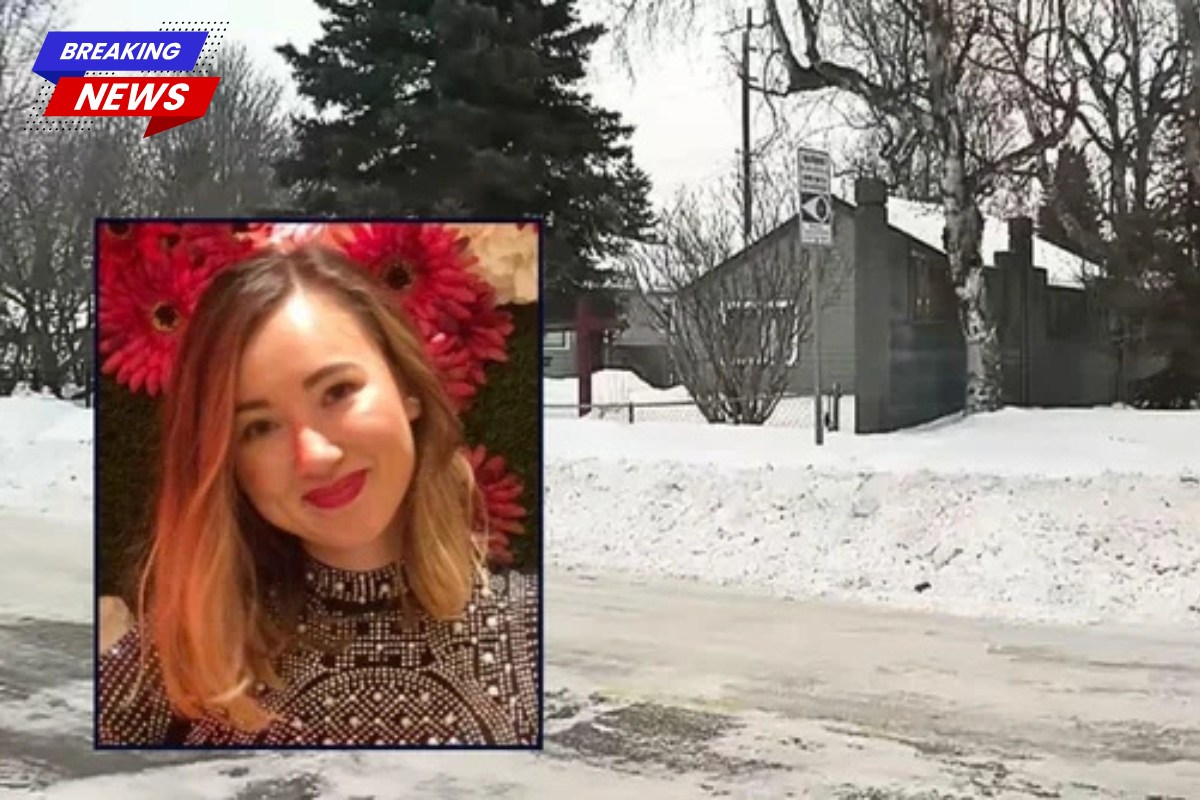
A heartbreaking lawsuit has been filed after a 31-year-old woman, Alecia Lindsay, tragically froze to death in Anchorage, Alaska, in February 2024. Lindsay, who had been stranded outside in temperatures between 17 and 28 degrees Fahrenheit with nearly three feet of snow on the ground, died after a 911 dispatcher failed to send help promptly, according to the lawsuit.
Incident Overview
On February 8, 2024, Lindsay was found in a severely hypothermic state outside a resident’s home after knocking on their door for help. A 911 call was placed, but it would take more than an hour before any assistance arrived.
Lindsay’s family has filed a lawsuit against the Municipality of Anchorage, the city’s Emergency Communications Center, and several dispatchers for negligence and the negligent infliction of emotional distress.
Delayed Emergency Response
According to the legal complaint, when the resident called 911, the dispatcher misclassified the situation as a Priority 3 disturbance instead of recognizing it as a medical emergency. The dispatcher assured the resident that help was on the way, but no immediate action was taken.
Despite the resident’s detailed description of Lindsay’s condition—mentioning her shaking from the cold and being overwhelmed by the frigid temperatures—the dispatcher did not promptly recognize the urgency of the situation.
It wasn’t until an Anchorage Police officer arrived at 7:46 a.m. and recognized Lindsay’s need for medical assistance that the Emergency Medical Services (EMS) were called, a full 80 minutes after the initial call.
Lindsay’s Death
Lindsay was later transported to the hospital, but tragically, she stopped breathing at 8:12 a.m. and was pronounced dead by 9:38 a.m. The official cause of death was hypothermia due to prolonged exposure to the cold temperatures.
Lawsuit Details
The complaint argues that the dispatcher, who was tasked with managing emergency calls in Alaska’s extreme winter conditions, should have recognized the signs of hypothermia and responded accordingly. The delay in medical response is a central part of the family’s legal case, which seeks accountability for the negligent actions of the dispatcher and law enforcement personnel.
Previous Interactions with Police
Lindsay had encountered local police just a day before her tragic death, following a mental health crisis. On February 7, she was found at Ted Stevens Anchorage International Airport, acting erratically and crying. Police took her home after a welfare check and were concerned about her mental health, but they didn’t intervene further.
Surveillance footage from downtown Anchorage later showed Lindsay walking without a coat before arriving at the resident’s home. The family argues that the lack of appropriate emergency response resulted in her untimely death.
City’s Defense
The Municipality of Anchorage has denied the allegations of negligence, claiming in court filings that the dispatcher did not owe a legal duty to Lindsay. They also argue that the police department and the Emergency Communications Center are not separate legal entities that can be sued, but only the Municipality itself is liable.
The city’s legal response challenges the assertion that the dispatcher’s actions contributed to Lindsay’s death, and it remains to be seen how the court will handle these legal complexities.
This tragic incident highlights the critical importance of timely and accurate emergency responses in extreme conditions. As the lawsuit moves forward, questions remain about the responsibility of first responders and the policies in place to prevent similar situations in the future.