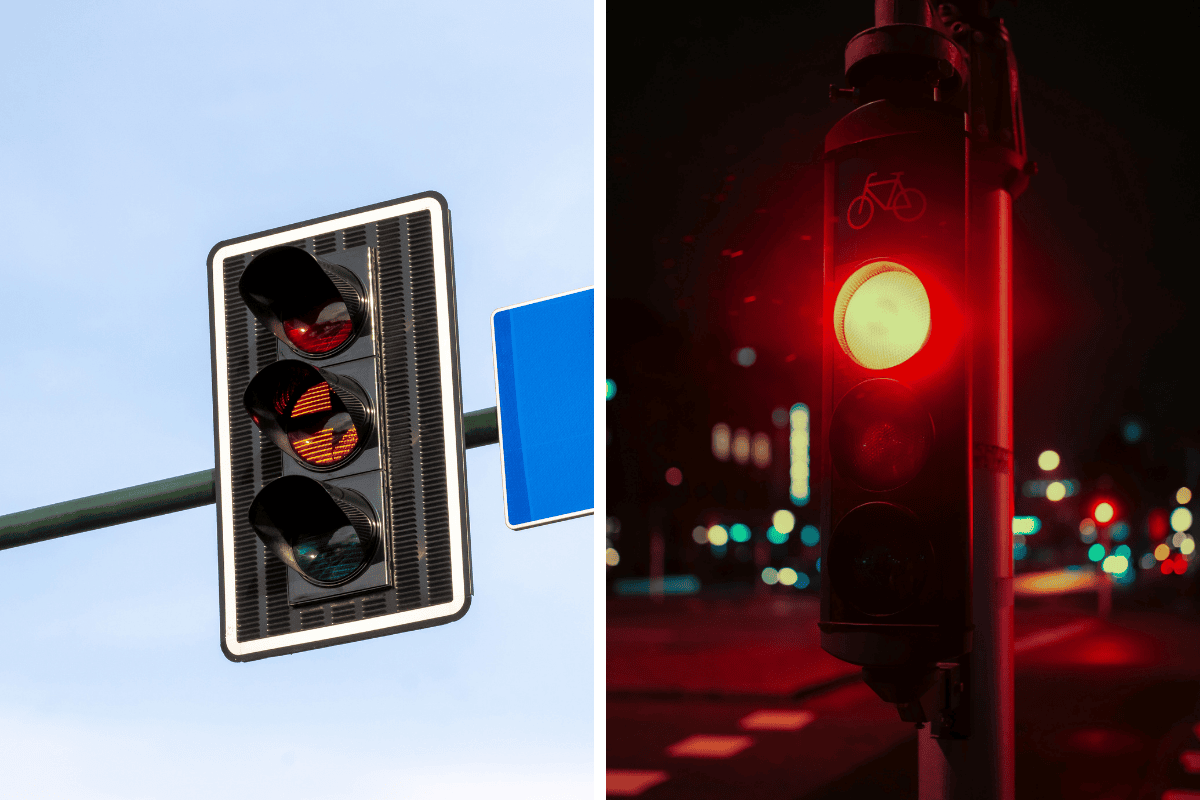
Alaska’s right turn on red rule remains permissive in 2026, allowing turns after a full stop unless prohibited by signs or signals.
Core Rule Explained
Under 13 AAC 03.010, drivers facing a steady circular red light must stop, then may turn right—or left from a one-way street onto another one-way—after yielding to all traffic and pedestrians. This aligns with federal energy conservation mandates since 1974, now in all 50 states. No 2026 statewide changes ban it; proposals in Anchorage failed.
Key Requirements
Come to a complete stop behind the limit line or crosswalk. Yield fully—no proceeding if oncoming vehicles, cyclists, or pedestrians have right-of-way. Red arrows override: no turn permitted. Left-on-red applies only one-way to one-way scenarios, a rarity shared with states like Idaho.
Prohibitions and Signs
“No Turn on Red” signs at intersections (common near schools or pedestrians) make it illegal; violations are infractions. Flashing red treats it like a stop sign. Steady yellow warns of red—clear the intersection legally.
Enforcement and Penalties
Failing to stop or yield draws tickets: $150+ fines, 3 points on license, possible insurance hikes. Cameras in Anchorage enforce strictly; rural areas rely on troopers amid wildlife/ice risks. Accidents from improper turns lead to reckless driving charges (up to $500 fine, suspension).
Safety Considerations
Alaska’s long winters and moose crossings amplify risks—hesitate on slick roads. Cyclists expect yields; jaywalking legalization in Anchorage heightens pedestrian priority. Studies show right-on-red cuts fuel use but raises pedestrian crashes 69% at busy spots.
Local Variations
Statewide uniformity prevails, but municipalities like Fairbanks add signs. Anchorage’s 2024-2025 downtown ban proposal died, preserving flow. Tribal roads or ferries may differ—check signage.
Practical Driving Tips
- Scan mirrors, crosswalks, and blind spots twice.
- Creep forward only after full stop if safe.
- For trucks/logistics: Wider turns need extra space; yield to semis.
- Winter: Chains or bare roads demand caution—brake early.
- Dash cams prove compliance in disputes.
Recent Context and Trends
No 2026 updates per DOT manuals; focus shifts to automated signals and EV incentives. National pushback grows in urban areas (e.g., NYC bans), but Alaska prioritizes efficiency on sparse highways like the Dalton. Left-on-red aids one-ways in Juneau or Ketchikan.
Commercial Driver Notes
CDL holders follow same rules; logs note violations. FMCSA aligns with state—no added footwear/turn bans. For construction hauls, yield to flaggers at signals.
Pedestrian and Cyclist Rights
Alaska Code mandates yielding in marked/unmarked crosswalks. E-bikes/scooters count as vehicles—treat equally. Apps like Waze flag no-turn zones.
Why It Persists
Balances traffic flow (saves 300M gallons fuel yearly nationwide) with safety via signs. Alaska’s vast distances favor it over gridlock.
SOURCES:
- https://www.drivinglaws.org/resources/running-red-lights-and-stop-alaska.html
- https://mustreadalaska.com/assembly-made-jaywalking-legal-in-october-and-now-may-make-right-on-red-in-downtown-anchorage-illegal/