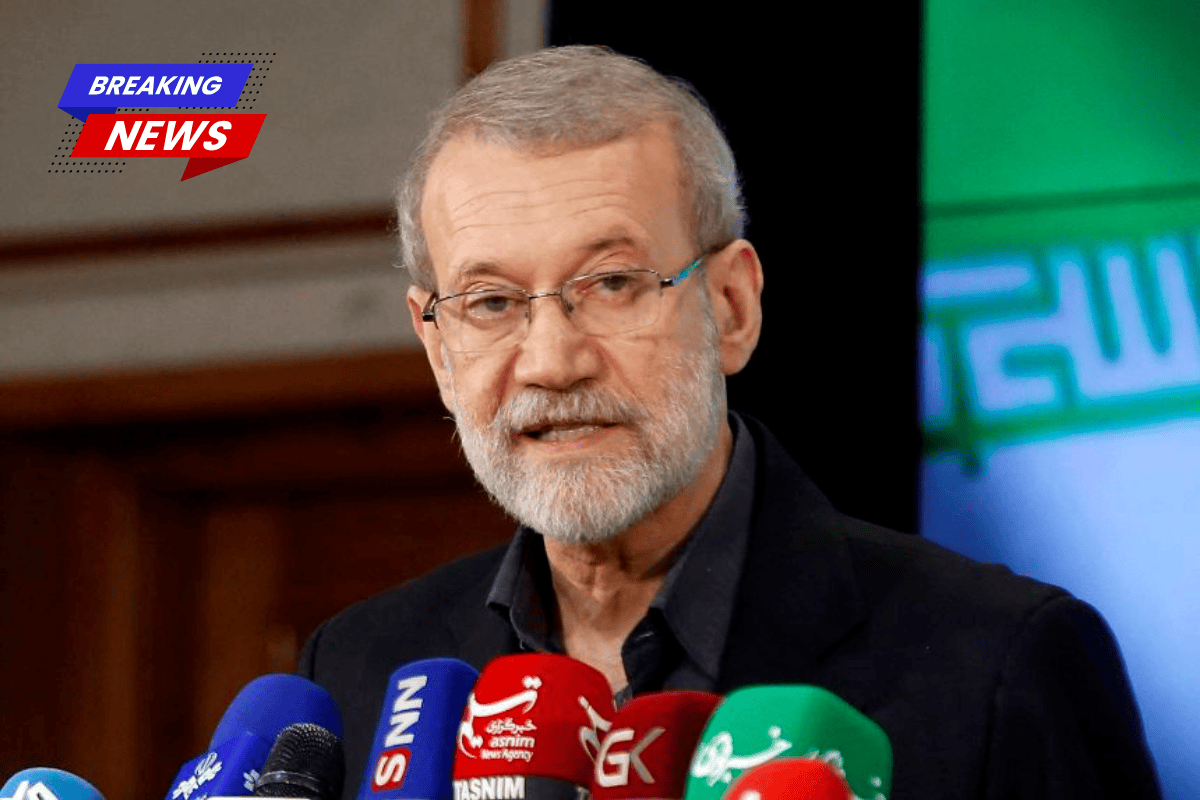
The death of Ali Larijani has created a major shift in Iran’s leadership during an already tense war with the United States and Israel. Known for his deep influence in both military and diplomatic matters, Larijani played a key role in shaping Iran’s strategy. Experts now believe his absence could make it harder to bring the conflict to an end.
Who Was Ali Larijani
Ali Larijani was one of the most powerful and experienced figures in Iran’s political system. Over nearly five decades, he held several important positions, including roles in the military, government, and media.
He worked closely with Ali Khamenei and was seen as someone who could connect different groups within Iran’s leadership. His experience made him a trusted figure during times of crisis.
Larijani was also well-educated, with a background in science and philosophy, and was known for his intellectual approach to politics.
His Role During the War
Since the conflict with the US and Israel began, Larijani had become one of Iran’s main decision-makers. Many experts even described him as the “de facto leader,” especially after the death of key figures in the leadership.
He was active both publicly and behind the scenes:
- Leading military and political strategy
- Communicating Iran’s stance internationally
- Engaging with global leaders
He also used social media to send strong messages to the US and countries in the region, showing his influence beyond traditional diplomacy.
Impact of His Death
Larijani was killed in an Israeli airstrike, which is seen as a major loss for Iran. While the war itself may continue without immediate changes, the political handling of the situation is expected to become more difficult.
Experts say his death could:
- Slow down peace negotiations
- Increase internal divisions in Iran
- Make decision-making less coordinated
This is because Larijani had the rare ability to bring together different political groups and push for agreements.
Challenges for Iran’s Leadership
After his death, Iran’s leadership may struggle to find someone with similar influence. Current figures like Masoud Pezeshkian are seen as less capable of uniting all factions.
At the same time, the rise of more hardline and military-focused leaders could change the direction of the country. For example, Mohsen Rezaei has returned to a key advisory role, suggesting a stronger military approach.
A Career of Influence
Larijani’s long career included:
- Serving in the Islamic Revolutionary Guard Corps
- Acting as Iran’s chief nuclear negotiator
- Leading the parliament for over a decade
- Advising top leadership on security issues
He was also respected internationally, with diplomats describing him as intelligent and practical in negotiations.
What This Means for the Future
Without Larijani, Iran may face a leadership gap at a critical time. His ability to balance military action with diplomacy was important in managing both internal and external pressures.
Now, the leadership may become more focused on military solutions rather than negotiation, which could:
- Extend the duration of the conflict
- Increase regional instability
- Make diplomatic solutions harder to achieve