Health authorities are racing to contain a growing Ebola outbreak in the Democratic Republic of Congo (DRC) and Uganda, which has already claimed more than 130 lives. The United States has invoked a public health law to limit entry from affected regions.
Confirmed Cases and Fatalities
An American working in the DRC tested positive for Ebola, identified by a charity as Dr. Peter Stafford, a Christian missionary physician. His wife, Dr. Rebekah Stafford, and another physician are under monitoring, along with their four children.
The World Health Organization (WHO) declared the epidemic a “public health emergency of international concern,” warning that the outbreak’s rapid growth and high positivity rate could indicate a much larger crisis. The DRC’s Health Minister, Dr. Samuel Roger Kamba, confirmed 131 deaths linked to the outbreak so far.
The Africa CDC has declared a Public Health Emergency of Continental Security (PHECS) to coordinate regional responses.
Strain and Transmission
The outbreak involves the Bundibugyo strain, one of several viruses causing Ebola, with a fatality rate estimated between 25% and 40%. The virus spreads through direct contact with bodily fluids or contaminated materials. Symptoms include fever, muscle pain, rash, and sometimes bleeding.
Four health workers have been among the suspected deaths. Experts warn that infection prevention gaps in health facilities could worsen community transmission.
U.S. Measures and Travel Restrictions
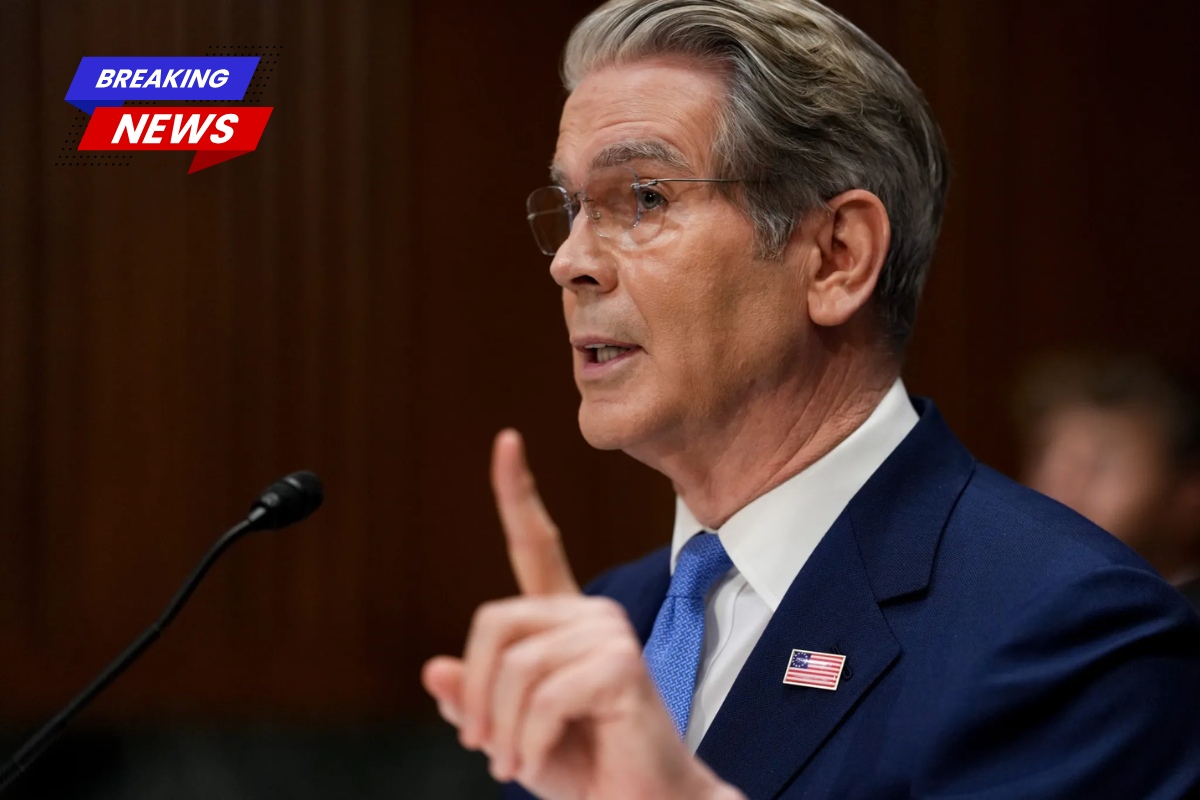
The U.S. Centers for Disease Control and Prevention (CDC) invoked Title 42, a public health law restricting entry of non-U.S. passport holders from the affected regions for at least 30 days. The law, previously used during the COVID-19 pandemic, is aimed at preventing disease spread while balancing human rights concerns.
CDC officials assessed the immediate risk to the U.S. public as “low” but continue to monitor the situation. U.S. health officials are relocating a small number of Americans affected by the outbreak and enhancing screenings for travellers from the DRC, Uganda, and South Sudan.
The U.S. Embassy in Kampala has temporarily paused visa services due to the outbreak.
Humanitarian and Logistical Challenges
Years of conflict and aid cuts in the DRC have worsened the crisis, leaving health systems depleted. Officials reported that hostilities hindered surveillance, delaying early detection.
Three treatment centres have been opened in Ituri Province, and 7 metric tons of emergency medical supplies, including protective equipment, tents, and beds, were delivered to Bunia to support frontline response.
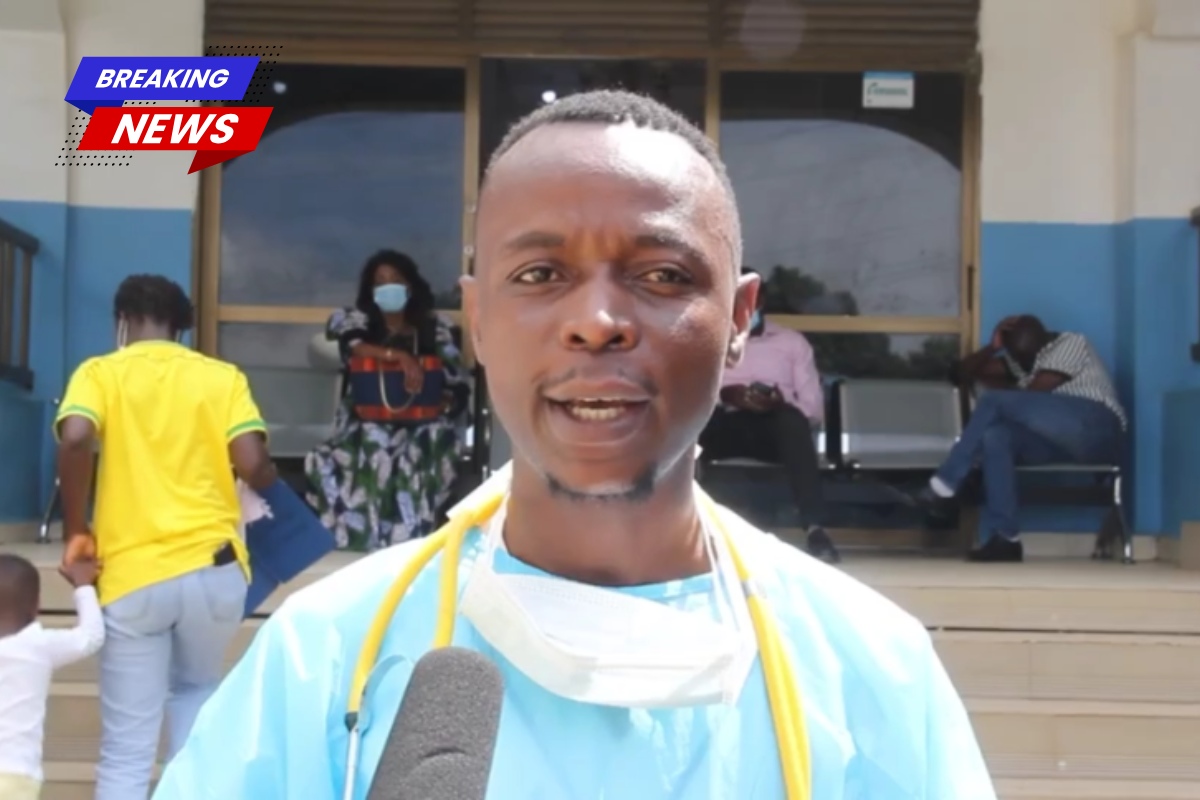
Dr. Patient Mazirane, medical director at Universelle Clinic, described the outbreak as “a major battle requiring enormous resources to save those who can still be saved.” Aid organisations, including Oxfam, stressed that undetected cases in communities could increase the spread.
Regional Impact
In Uganda, two laboratory-confirmed cases, including one death, have been reported in Kampala. Authorities note that the cases have no known connection, suggesting potential undetected spread.
WHO officials emphasise that fruit bats in forested areas of the DRC serve as the virus’ natural reservoir, increasing exposure risk for local communities. This marks the 17th Ebola outbreak in the DRC since the virus was first identified in 1976.
International Coordination
Global health organisations are coordinating with the DRC and Uganda to provide surveillance, contact tracing, laboratory testing, and treatment support. WHO, Africa CDC, and local governments are mobilising resources to prevent further spread while warning of the outbreak’s extraordinary severity.