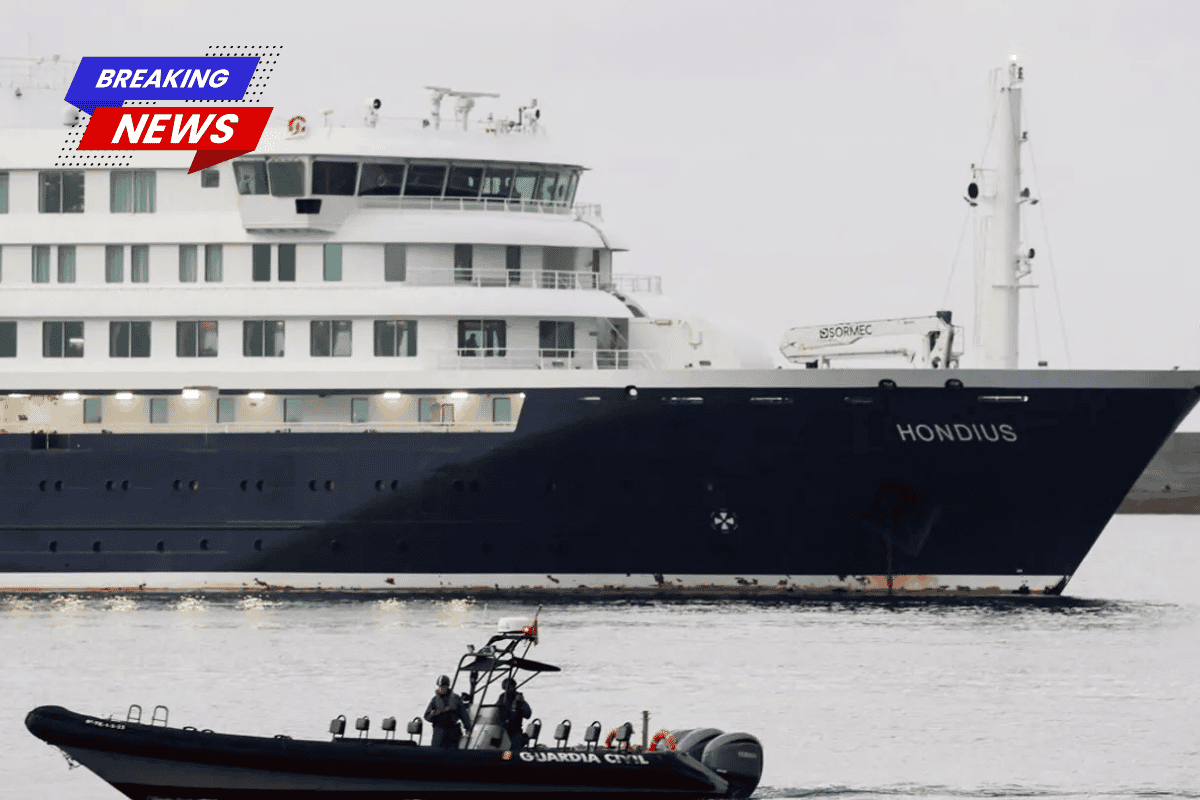
A World Health Organization (WHO) official has issued a warning regarding passengers aboard the hantavirus-hit MV Hondius cruise ship, urging authorities to treat everyone on board — both crew members and passengers — as “high-risk contacts” following an outbreak that has resulted in three deaths.
Hantavirus Outbreak on the MV Hondius
The MV Hondius cruise ship was hit by an outbreak of hantavirus, a rodent-borne disease that caused passengers to fall ill. The ship, which was docked off the Spanish island of Tenerife, saw 17 American and one British passenger board a U.S. repatriation flight.
The exact departure time of the flight remains unclear. The outbreak has raised concerns regarding the spread of the Andes strain of the hantavirus, prompting urgent health measures and international collaboration.
WHO’s Warning
Maria Van Kerkhove, acting director of the Department of Epidemic and Pandemic Threat Management at WHO, emphasized that due to the uncertainty surrounding the outbreak and potential exposures, all passengers and crew should be regarded as high-risk contacts. She stated that the organization recommends a “multi-country response” to prevent further spread of the disease.
“Because there’s so much uncertainty at the moment, we’ve recommended that everybody be considered a high-risk contact,” Kerkhove explained. WHO is calling for extensive health checks and monitoring for passengers returning to their home countries to ensure the virus does not spread.
Testing and Repatriation Efforts
Spanish health authorities have been actively involved in testing the passengers to ensure they are asymptomatic before disembarking. While passengers, including the Americans and the British passenger, were allowed to leave the ship, they were also carefully monitored by local health officials. The first group of Spanish passengers has already been flown to a military hospital in Madrid for quarantine.
American passengers are expected to be flown to a medical center in Nebraska, where they will undergo additional screening and monitoring. The Centers for Disease Control and Prevention (CDC) has stated that there are currently no plans to enforce a mandatory quarantine for the American passengers, but they will be monitored closely for up to 42 days. If they show any symptoms of the virus, they will receive further medical attention.
Post-Arrival Health Monitoring
Once the passengers return to their home countries, WHO recommends a 42-day active follow-up period. This includes health checks by local health authorities and possible home or medical facility quarantine, depending on individual cases.
Next Steps
As health authorities continue their investigation, the situation remains fluid. There are ongoing efforts to determine the specific exposures passengers had, as well as how the outbreak on the MV Hondius occurred. Both local and international health bodies are working together to contain the potential spread of hantavirus and to protect public health.